Late Ming Sichuan in 10 Minutes: Why 1647 Is the Worst Year
The fall of the Ming, Zhang Xianzhong's Great West regime, and the 1647 power vacuum that sets the stage for WUCHANG—before you explore plague-ridden Shu.

WUCHANG
Soulslike Shu in 1647 — Ming collapse, Zhang Xianzhong’s terror, and feathered myth layered on plague-era Sichuan.
Culture
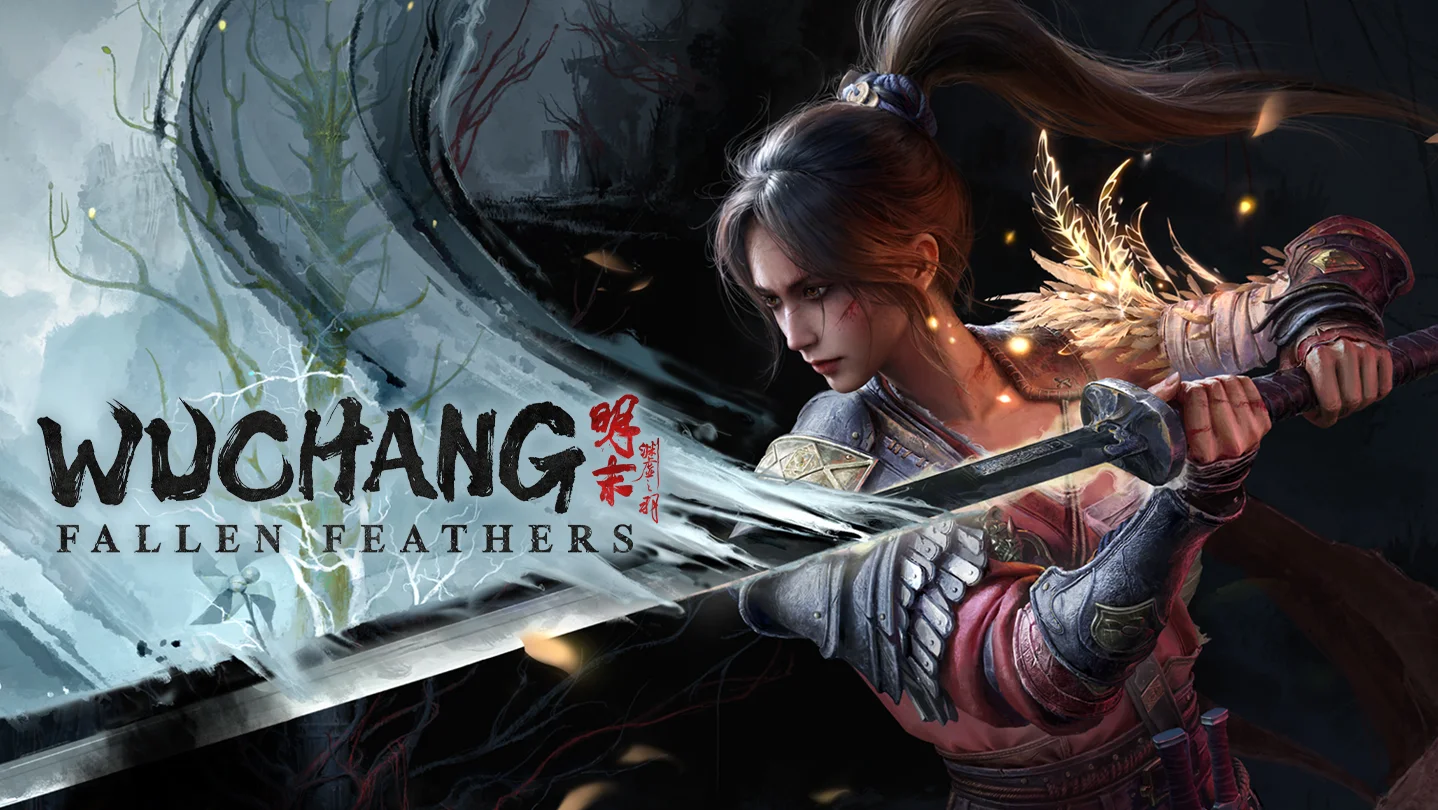
WUCHANG: Fallen Feathers drops you into late Ming Sichuan — a land where warlords, plague, and something far older than the dynasty are colliding. The game weaves together real history (the fall of the Ming, Zhang Xianzhong's reign of terror in Shu), ancient Shu civilization (Sanxingdui, the Bo people, the legend of Du Yu and the cuckoo), and winged immortals from classical myth into a dark soulslike odyssey. You don't need a degree in Chinese history to play, but knowing why feathers keep showing up, what Red Mercury is supposed to do, and why 1647 matters will make every temple ruin and battlefield hit differently. Start with our primer series below.
The fall of the Ming, Zhang Xianzhong's Great West regime, and the 1647 power vacuum that sets the stage for WUCHANG—before you explore plague-ridden Shu.
Archaeology vs. myth in Sichuan—Sanxingdui masks, Du Yu and the cuckoo, Shanhai Jing feather people, and how WUCHANG layers them beneath 1647.
The Feathering plague's three stages, Red Mercury progression, Skyborn Might combat, and the meaning of Fallen Feathers—game mechanics and myth without main-story spoilers.
Living doc: what is documented history, Shu tradition, game fiction, and cosmic horror in WUCHANG—and how to tell the layers apart.
Books, museum sites, documentaries, and classical texts for going deeper into late Ming Sichuan, Sanxingdui, and Shu myth after the WUCHANG primers.
Who the protagonist is, what 无常 means, and why she is not the Black and White Impermanence of folk religion—before the main story unfolds.
Shu king legends from Huayang Guo Zhi—Du Yu's cuckoo transformation, Bie Ling's rise, the five chisel fragments, and how WUCHANG adapts the myth layer.
Great West, Southern Ming, Qing, and bandit powers in 1647 Sichuan—and how WUCHANG's factions hunt resurrection and Red Mercury across the chaos.
How Feathering stages appear in enemies and bosses, the cultural logic behind winged monsters, and reading names from Zhang Xianzhong to Bo sorcerers—light spoilers.
Bai Yu's death, Wuchang's obsession, Feathering and amnesia, the Demon of Obsession, and all four ending paths—major spoilers.
Bronze masks, sacred trees, and the Golden Sun Bird—what archaeology actually found in Sichuan and how WUCHANG quotes those icons in ruins and enemies.
A region-by-region guide to WUCHANG's map—Worship's Rise, Cloudspire, Mt. Zhenwu, Han que gates, and real Bashu geography behind the ruins.
All five Ancient Chisels—what each fragment does, who held it, resurrection failures from jade to vermilion, and how they converge at the Gate of Truth.
From 子规啼血 to Li Shangyin's 锦瑟 line—how Du Yu's cuckoo grief lives in Tang poetry and WUCHANG's spring ruins.
Five weapon types, Skyborn Might (羽势), Clash and Deflect, Red Mercury upgrades—why feathers fuel combat and what that says culturally.
Quick lookups for Shu, late Ming Sichuan, Feathering, Red Mercury, and other terms you'll meet in WUCHANG and our Culture series.
Living lookup (v0.1)—map WUCHANG terms, bosses, and systems to history, literature, archaeology, or game fiction with Echo / Riff / Fiction tags.
Editorial culture guides by Dragon Forge. Game names and trademarks belong to their respective owners; mythic source material is in the public domain.