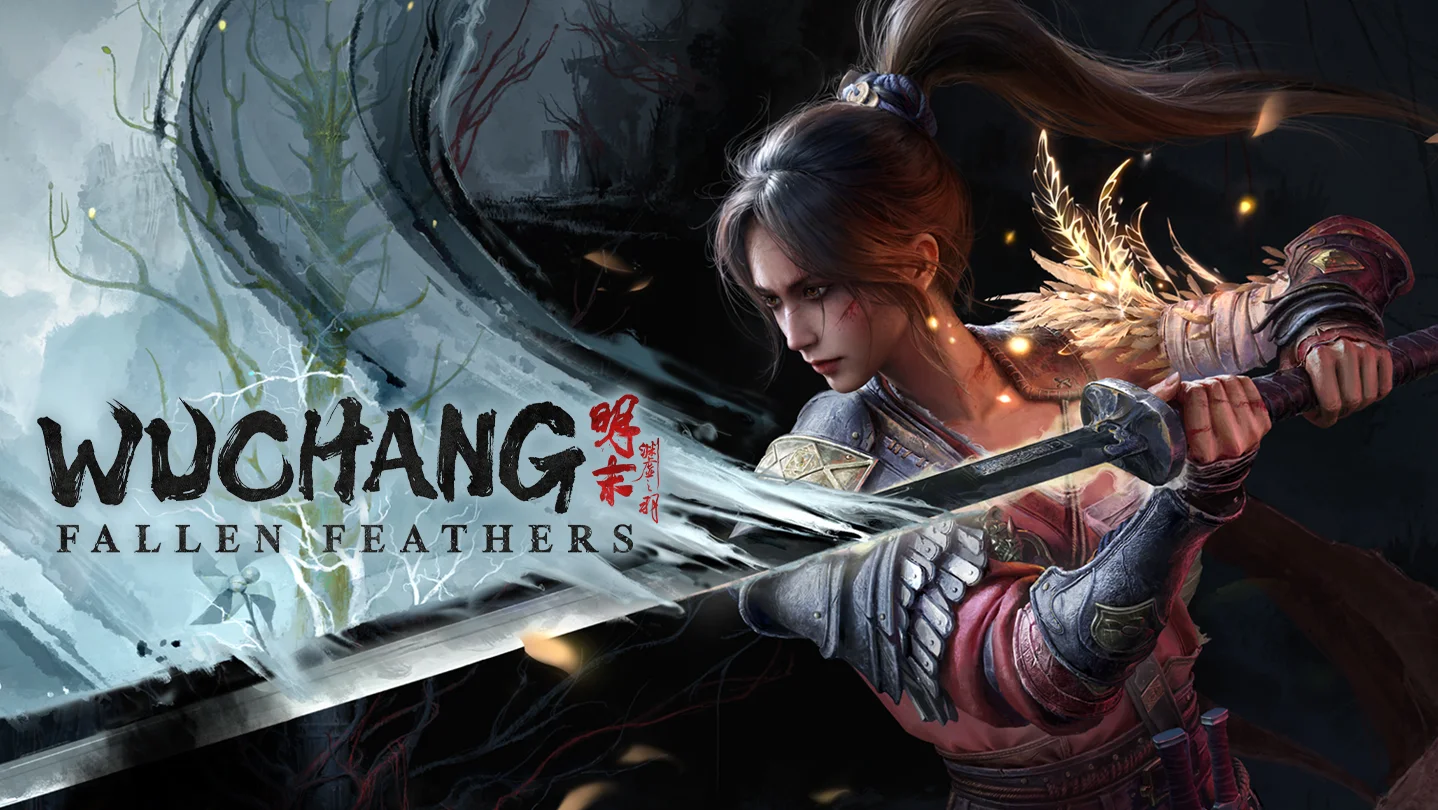
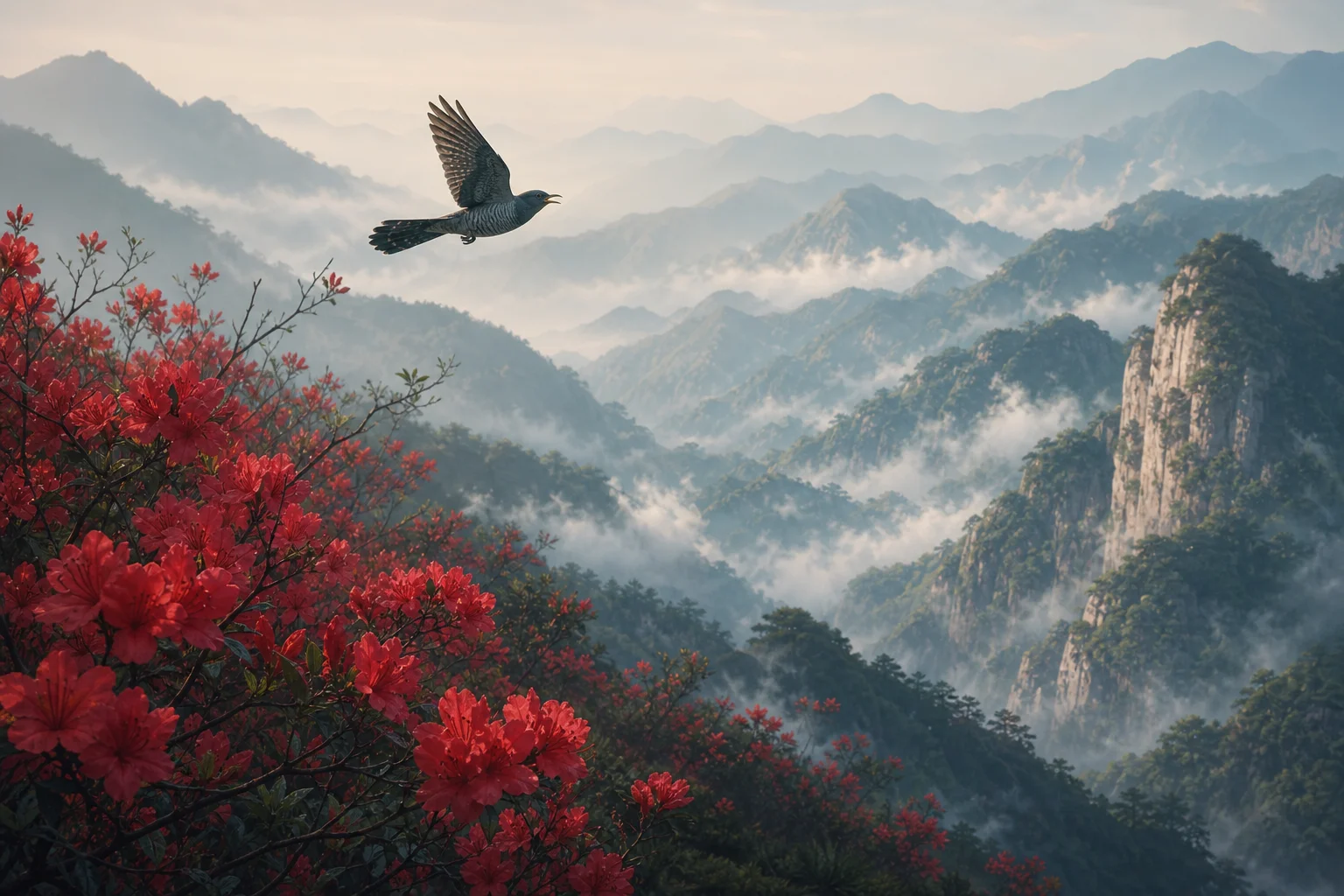
You have met Du Yu (杜宇) as a chronicle king in Du Yu, Bie Ling & the Shu Kings. This article goes where history homework stops and Tang poetry begins: why Chinese writers hear grief in a bird call, what Li Shangyin meant by “spring heart entrusts the cuckoo” (望帝春心托杜鹃), and why WUCHANG: Fallen Feathers fills its ruins with that sound. Light spoilers for the Storyteller's identity; no ending walkthroughs.
Three names for one bird
English players meet one word — cuckoo. Classical Chinese uses several, each with nuance:
| Chinese | Pinyin | Notes |
|---|---|---|
| 杜鹃 | dùjuān | Most common literary name; also the azalea (杜鹃花) — flower and bird share the word |
| 子规 | zǐguī | “Young ruler” or homophone wordplay; central to 啼血 (weeping blood) imagery |
| 布谷 | bùgǔ | Onomatopoeia for the call — folk, agricultural; “plant millet” seasonal cue |
When item text or ambient audio references any of these, the game is signaling Shu grief register, not generic forest ambience. Du Yu legend gives the bird a biography; poetry gives it a voice.
The legend poets inherited
Chronicle tradition (see B2 for full arc) ends with: Du Yu, also titled Emperor Wang (望帝, Wàng Dì — “Gazing Emperor”), loses his throne to Bie Ling, wanders, and transforms into a cuckoo that returns each spring crying over the Shu fields he once ruled.
Poets rarely retell the coup as history. They treat the bird as a compressed metaphor:
- Failed sovereignty — power lost but conscience remaining
- Seasonal return — grief cyclic like spring, not one funeral and done
- Voice without body — the king survives only as sound; fits exile literature across Chinese history
That last point is why the motif travels beyond Shu: any displaced scholar could hear their own homesickness in Du Yu's bird — but the game anchors it back in Sichuan mist.
子规啼血 — the cuckoo weeps blood
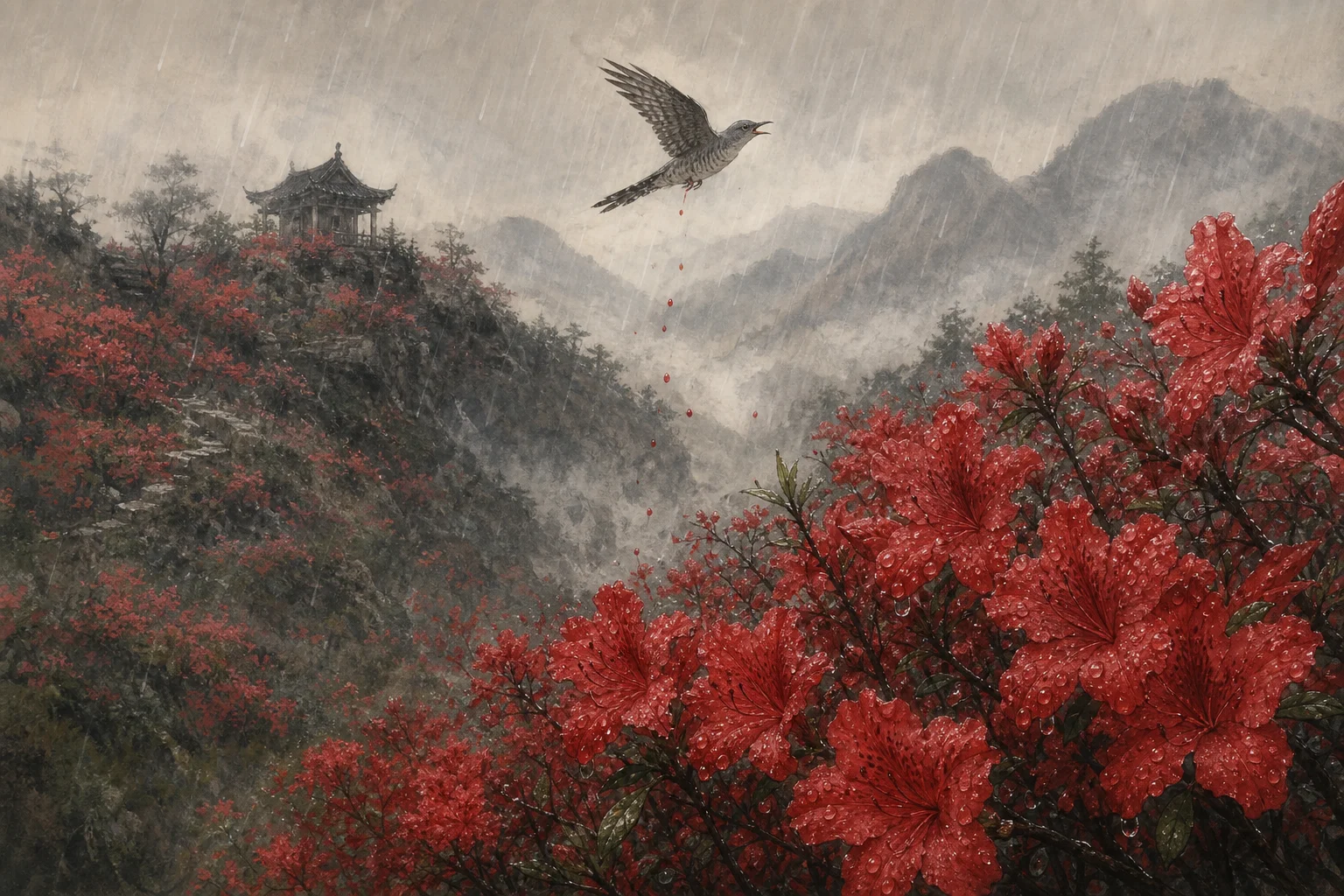
The phrase 子规啼血 does not describe ornithology. It is literary hyperbole: sorrow so extreme the throat ruptures, staining the beak red — and in folk extension, staining the hills with crimson flowers.
In WUCHANG, red floral environments and Feathering's crimson mercury create a visual rhyme with 啼血 without quoting the poem on screen. When you see blood-red petals near bird calls, read it as poetic atmosphere, not a literal quest clue — unless NPC dialogue ties them together.
Culturally, 啼血 also bridges to the game's plague horror: Du Yu's grief-blood prefigures bodies corrupted by feathers and red ore — ancient sadness morphing into modern body horror.
望帝春心托杜鹃 — Li Shangyin's famous line
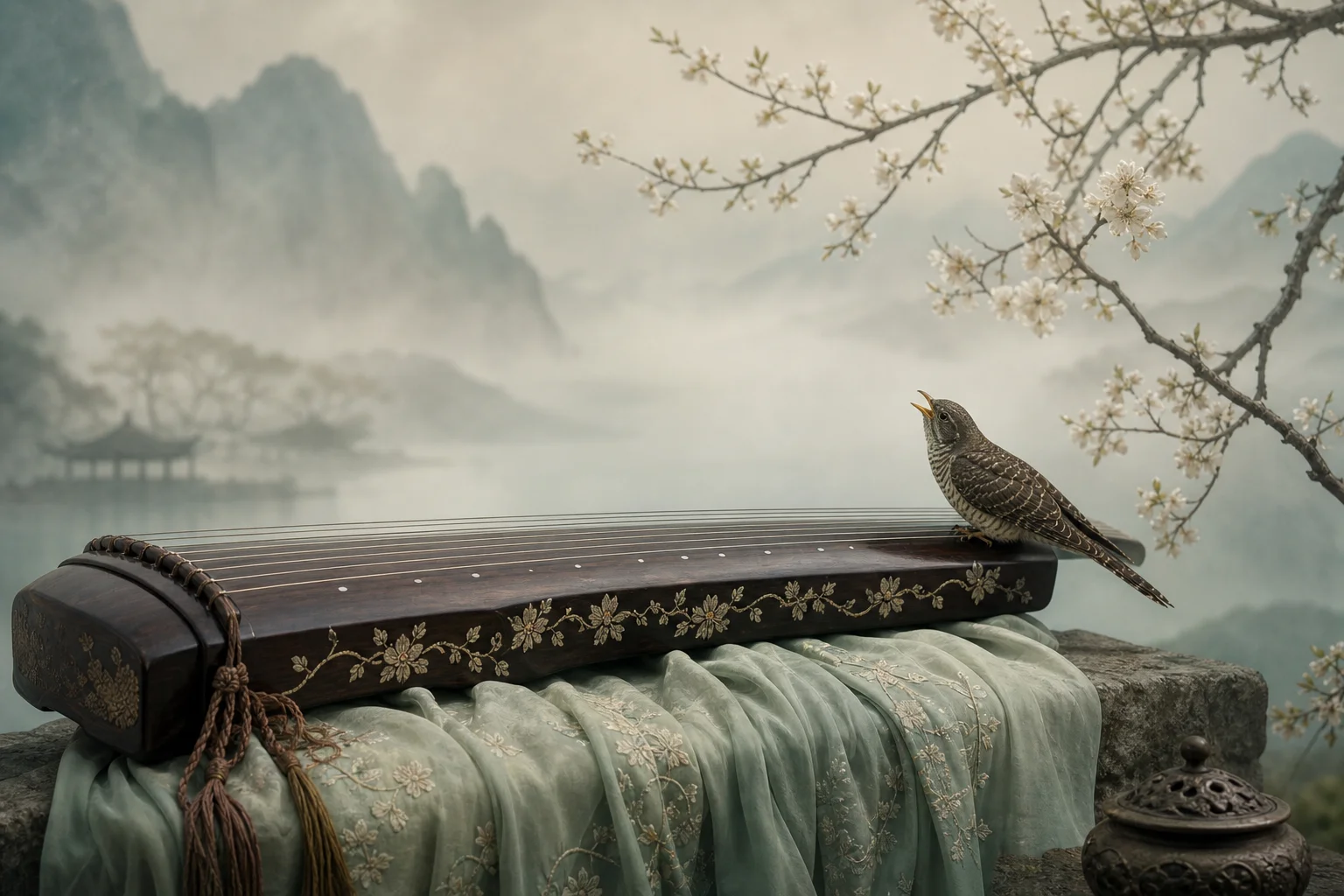
Tang poet Li Shangyin (李商隐, ~813–858 CE) wrote Broidered Zither (锦瑟, Jǐn Sè) — one of the most analyzed poems in Chinese. Its middle couplet includes:
望帝春心托杜鹃 — Wàngdì chūn xīn tuō dùjuān
“Emperor Wang's spring heart entrusts the cuckoo.” (Li Shangyin, Broidered Zither / 锦瑟)
Every word is debatable — that is the point. Rough gloss for game readers:
- 望帝 (Emperor Wang) — Du Yu's title; the king who looks down on his lost realm
- 春心 (spring heart) — not merely romance; seasonal vitality, desire, the pulse of renewal — and the pain when renewal excludes you
- 托 (entrust / consign) — delegate, offload, bequeath — the king gives his unresolved longing to the bird
- 杜鹃 — the cuckoo call carrying what a human body can no longer speak
English translations differ wildly because Li Shangyin stacks private symbols without narrative glue. For WUCHANG, you only need the emotional core: authority transformed into voice, spring into mourning, personal longing into ambient sound — exactly what Wuchang experiences when memory returns in fragments.
Study tip: Read two English translations of 锦瑟 side by side — if one line feels opaque, another may unlock it. See our Reading Order for anthology suggestions.
Other poetic echoes (quick sampler)
Du Yu cuckoo imagery appears across centuries — a few patterns worth recognizing in-game:
- Exile poems — bird call at dusk = distance from capital; Shu becomes synecdoche for being far from home
- Spring war poems — cuckoo cries while armies march; seasonal renewal mocked by slaughter (resonates with 1647)
- Daoist / immortal regret — failed ascension, choosing mortal love; bird form as incomplete transcendence (links to Feathering inversion)
- Later opera and folk drama — Du Yu story staged with red costumes and bird masks; visual cousin to Sanxingdui bronze birds
You do not need to chase every allusion. Notice when the game pairs spring weather + bird audio + red flora — that triad is the poetic toolkit.
How the game performs the poetry
Leenzee rarely puts Tang couplets on loading screens. Instead it stages the motifs:
- Ambient cuckoo calls in ruins and mountain passes — Du Yu soundtrack over Ming corpses
- The Storyteller (说书人) — revealed in late game as Du Yu / Duryal, the ancient Shu king still narrating from bird-king myth layer; light spoiler but central to poetic frame
- Azalea-red environments — 啼血 color grammar without caption cards
- Bo Capital / Gate of Truth — myth time where Du Yu's civil war with Bie Ling (Bieling) is literal plot, not metaphor
- Wuchang's sister arc — see Sister & Memory: she risks becoming bird-monster instead of cuckoo-grief; Dream ending traps her in illusion like Emperor Wang's spring heart frozen forever
The game thus runs two Du Yu modes in parallel:
Poetic mode
Sound, flower, season — grief as atmosphere
Mythic mode
Storyteller, Avian war, chisel fracture — grief as plot engine
Horror mode
Feathering — bird transformation without release; no clean 托杜鹃
Reading checklist while you play
- Hear cuckoo / 子规 call → ask who lost the kingdom here? (Du Yu historically; Wuchang personally)
- See red flowers + mist → think 啼血 palette, not random biome art
- Meet turtle / river motifs nearby → Bie Ling counterpoint to Du Yu bird
- Storyteller dialogue about ancient war → myth layer confirming poetry was always backstory
- True ending departure on boat → spring heart released; Dream ending → spring heart trapped in bird-call loop
What this is not
The cuckoo tradition is not:
- Documented Bronze Age Sanxingdui ritual — no pit inscription mentions Du Yu
- A single agreed historical king biography — chronicle variants conflict
- Lovecraftian cosmic lore — it is literary-emotional before it is horror; Feathering hijacks the symbol later
Keeping legend, poetry, and game horror separate — as in How WUCHANG Blends History and Myth — lets you enjoy the bird call as art before it becomes dread.
Next in this series: Skyborn Might, weapons, and why feathers are combat fuel as well as plague — the mechanics article for module C.