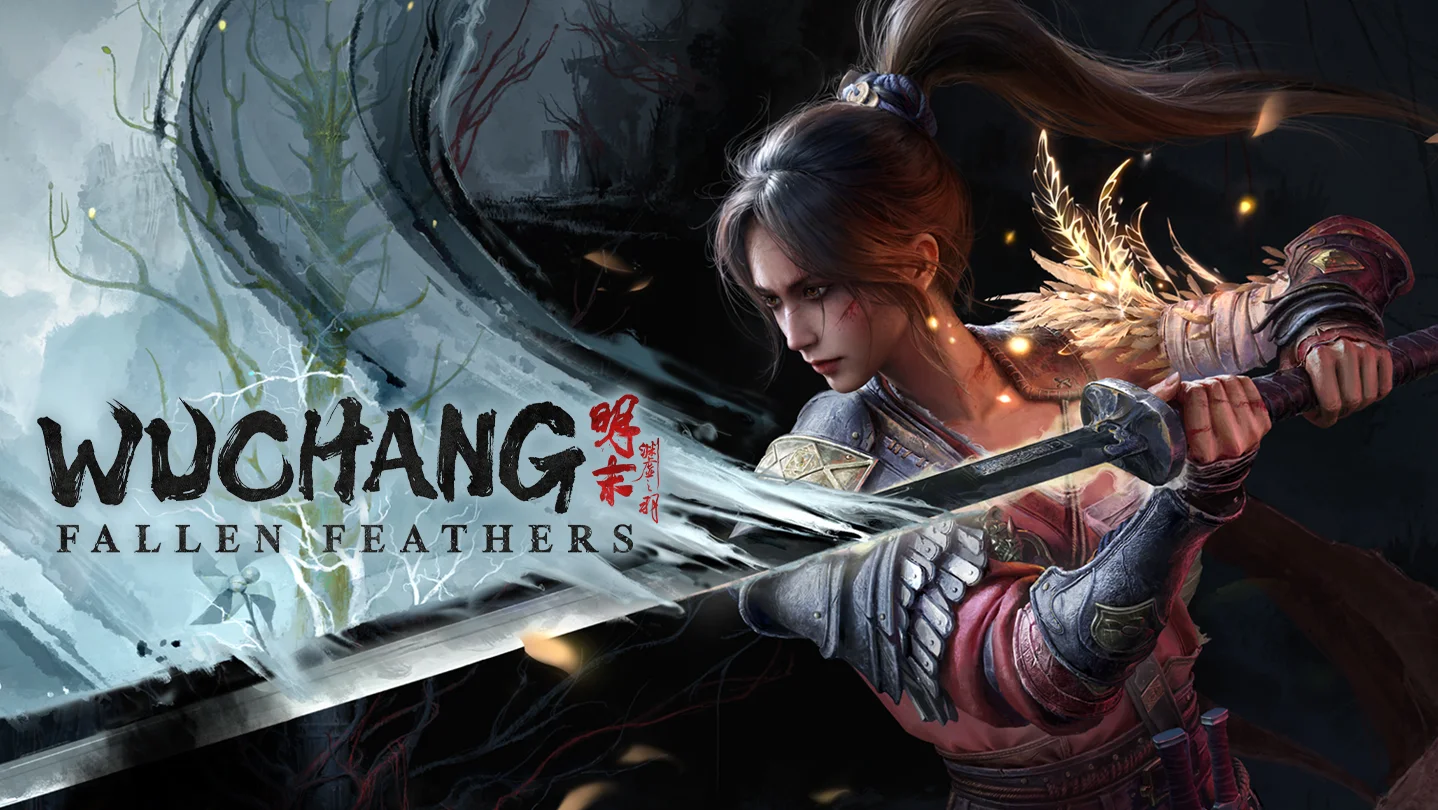
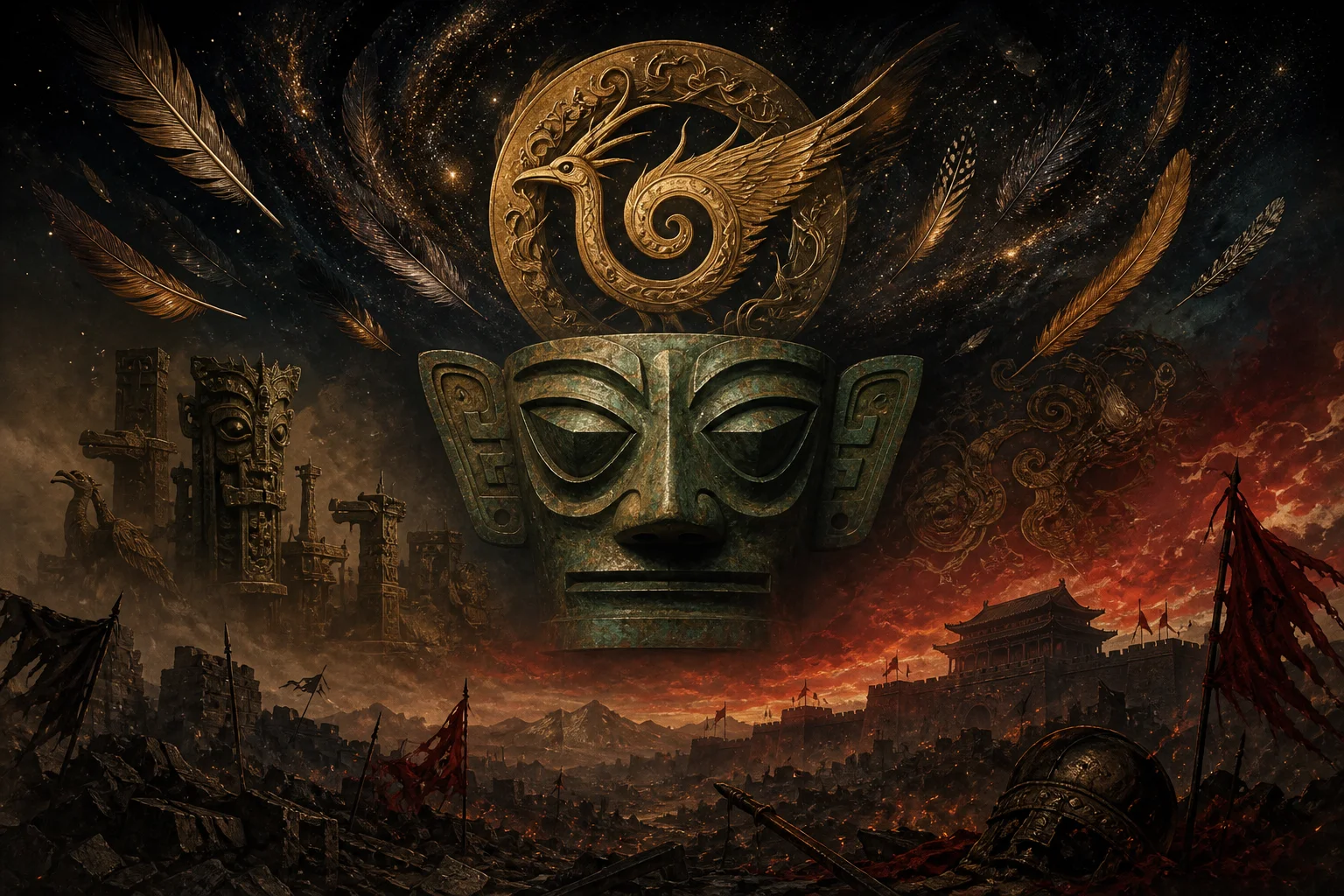
Living document. Leenzee's WUCHANG: Fallen Feathers (明末:渊虚之羽) shipped in July 2025 as a soulslike ARPG with a unusually thick cultural stack: real late Ming devastation, real archaeological icons, classical chronicles and Shanhai Jing motifs — then plague, Red Mercury, and cosmic dread on top. This article labels what is documented, what is traditional lore, and what is game fiction so you can enjoy the blend without mistaking dramatization for textbook fact. Last scoped: global launch materials and post-release store pages through early 2026.
Status at a glance
Developer / publisher
Leenzee (灵泽) · 505 Games global · bilibili co-publishing in mainland China
Released
July 24, 2025 — PC (Steam / Epic), PS5, Xbox Series X|S; day-one Xbox Game Pass
Genre
Soulslike action RPG · UE5 · single-player · multiple endings
| Item | Confirmed? | Notes |
|---|---|---|
| Historical when / where | Yes | Late Ming; Sichuan (Shu); present-day action anchored around 1647 |
| War backdrop | Yes | Post-1644 collapse; Zhang Xianzhong's Great West era; power vacuum after his death |
| Cultural sources cited | Yes | Sanxingdui / Jinsha; Huayang Guo Zhi; Shanhai Jing; Du Yu / cuckoo poetry traditions |
| Feathering plague | Yes (fiction) | Core game disease — not a historical epidemic |
| Red Mercury | Yes (fiction) | Gameplay resource; borrows cinnabar symbolism, not real medicine advice |
| Cosmic horror tone | Yes | Atmosphere and unknowable ancient evil — not the Lovecraft mythos by name |
| Playable hero | Yes | Wuchang — infected, amnesiac warrior; fictional protagonist |
| Full plot canon for fans | Partial | Multiple endings; community still debates details — see spoiler-tagged articles later |
The four layers (and where they touch)
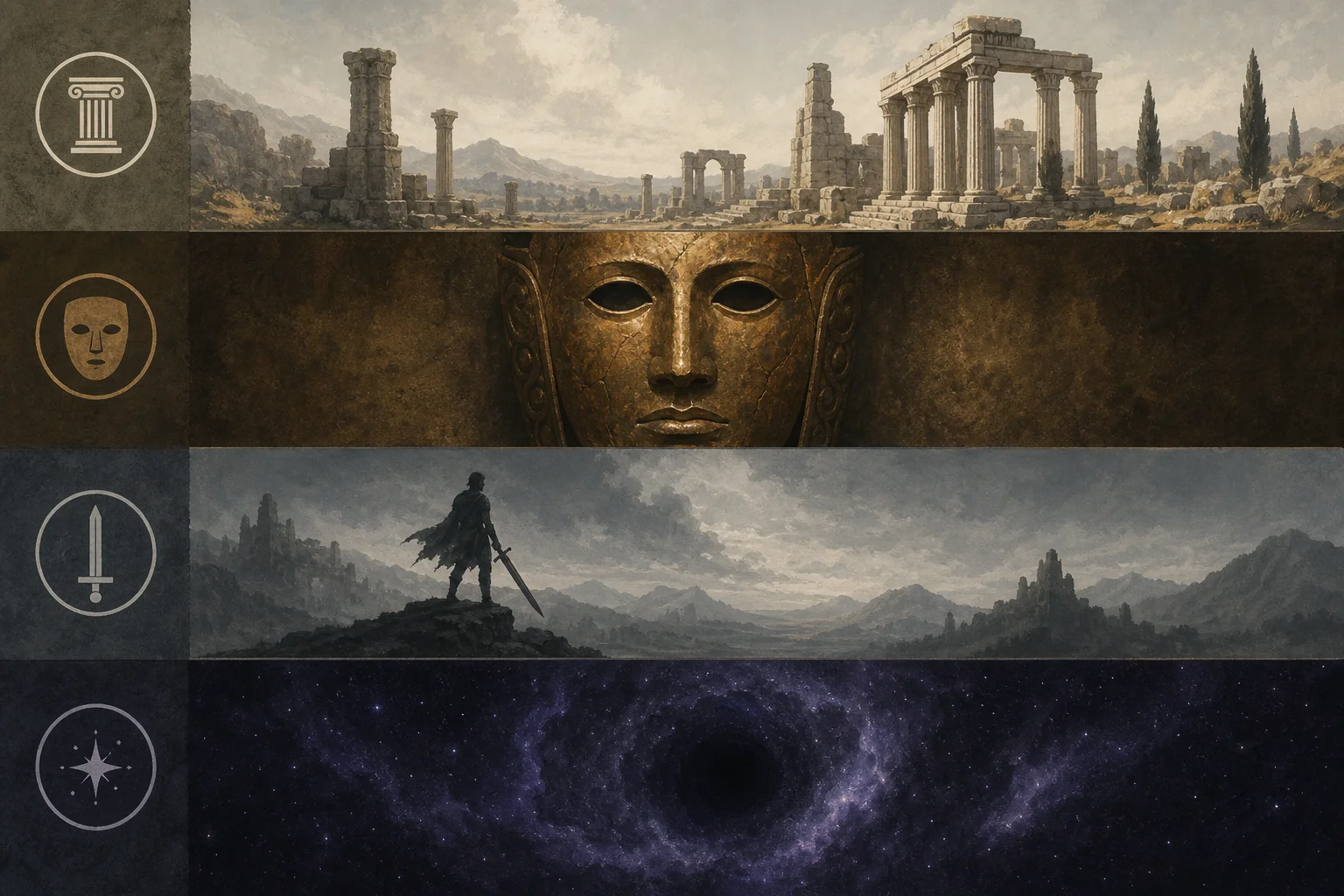
Layer 1 — Documented history
The game's political weather is real in broad strokes: the Ming central government fell in 1644; Sichuan endured Zhang Xianzhong's regime; 1647 follows his death and continued chaos. Abandoned garrisons, refugee flows, and warlord logic match what late Ming sources and modern historians describe — even when individual forts or battles are invented for level design.
Dragon Forge rule: when a banner, date, or warlord name matches history, we cite history primers (see Late Ming Sichuan in 10 Minutes). When a street looks “Ming,” that is art direction informed by period aesthetics, not a claim that this exact alley existed.
Layer 2 — Archaeology and classical literature
Sanxingdui masks, Jinsha sun-bird gold, Du Yu's cuckoo, Shanhai Jing feather peoples — these come from digs and texts explored in Ancient Shu & the Feather People Legend. The game quotes them: temple props, boss silhouettes, audio motifs, item names.
It does not faithfully replay a single excavated ritual or one chapter of Huayang Guo Zhi. There is no ancient Shu screenplay to violate — only fragments the writers braid into one timeline.
Layer 3 — Game systems and original fiction
Feathering's three-stage mutation, Red Mercury economies, the five chisels (凿子), faction quests for resurrection — these are narrative and mechanical inventions built on the layers below. Official store copy confirms systems (Skyborn Might feather meter, skill harvest, sacrifice-for-upgrades) without publishing a definitive lore bible.
Treat gameplay text as primary for mechanics, interpretive for world history unless corroborated across multiple endings or official posts.
Layer 4 — Cosmic horror atmosphere
Marketing and reviews describe “Cthulhu-style” or cosmic horror undertones. In practice that means: unknowable ancient force, bodily wrongness, sanity-adjacent dread, and architecture that feels older than human politics — not tentacled gods with Lovecraftian names.
The horror layer amplifies Shu bird-immortality symbols until they rot. It is a mood contract with players of dark fantasy soulslikes, not a licensed Mythos crossover.
How to use this page
- → ✅ Historical frame — late Ming Sichuan chaos; Zhang Xianzhong era as backdrop.
- → 📜 Cultural quotation — Sanxingdui, Du Yu, Shanhai Jing — inspired by, not photocopied.
- → 🎮 Game-primary — Feathering, Red Mercury, chisels, Wuchang's personal arc.
- → 🌑 Horror overlay — cosmic dread; read as genre seasoning, not historical claim.
- → We revise when Leenzee / 505 publish major patches, DLC, or clarifications.
What the sources give vs. what the game adds
| Element | From sources | Game addition |
|---|---|---|
| Setting | 1640s Sichuan warfare; Ming collapse | Exact locales (temples, Zhenwu Mountain, etc.) as playable spaces |
| Visual icons | Sanxingdui masks; Jinsha birds; Han-era ruins | UE5 combat arenas and corrupted statue enemies |
| Mythic plot | Du Yu / Bie Ling; divine tools breaking; bird transformation | Five chisels quest; tying resurrection to Shu prehistory |
| Feather symbol | Immortality, Shanhai Jing winged peoples, poetry | Feathering plague + Skyborn Might combat meter |
| Protagonist | No historical “Wuchang” heroine | Fictional warrior; name echoes impermanence folklore but is not the deity |
| Antagonists | Warlord factions documented in broad terms | Winged mutants, cultists, boss roster, optional cosmic entity implications |
Compared to other Chinese action games
| Dimension | Black Myth: Wukong | Blood Message | WUCHANG: Fallen Feathers |
|---|---|---|---|
| Primary anchor | Journey to the West | 848 AD Shazhou history | Late Ming Shu + ancient Shu myth |
| Adaptation shape | Novel characters remixed | Fictional messengers in real event | Fictional plague + hero in real + mythic past |
| Player prep | Read primers → recognize bosses | Read primers → recognize route / stakes | Read primers → recognize symbols and era; bosses often original |
| Horror | Mythic monsters; not cosmic | Historical brutality; not supernatural core | Body horror + cosmic undertones central |
Stated creative direction (from official materials)
Pre-launch interviews and store pages consistently highlight:
- Shu identity — a Chinese soulslike rooted in Sichuan, not generic “Oriental” wallpaper
- UE5 spectacle — large bosses, detailed ruins, global commercial positioning via 505 Games
- East-meets-dark-fantasy — wuxia-adjacent combat with genre-standard difficulty and checkpoint loops
- Player choice — multiple endings affecting Wuchang's memories and Shu's fate (details spoiler-tagged elsewhere)
What we will update here
This living doc grows when new official information appears:
- Major story patches or DLC with new regions / factions
- Developer blog posts clarifying historical vs. invented beats
- Our Game ↔ Sources Quick Reference table — expand as patches and community consensus evolve
- Corrections if archaeology or history primers need revision based on scholar feedback
Primary sources: wuchanggame.com · Steam store page. Dragon Forge is editorial — not affiliated with Leenzee or 505 Games.
What we are not claiming
Culture articles on Dragon Forge are fan-facing reference, not official lore transcripts. We do not speak for the writers' room. When community theories conflict, we:
- Prefer text shown to all players over hidden datamined strings
- Label endings and boss identities with spoiler tiers in dedicated articles
- Separate “beautiful fan theory” from “safe to cite as fact”
If you only remember one sentence: history sets the weather, myth sets the symbols, the game sets the plague and the sword swing. Enjoy all three — just do not grade the Ming dynasty on whether people grew wings.
Next in this series: Books, documentaries, and museum links for players who want to go deeper after the primers.