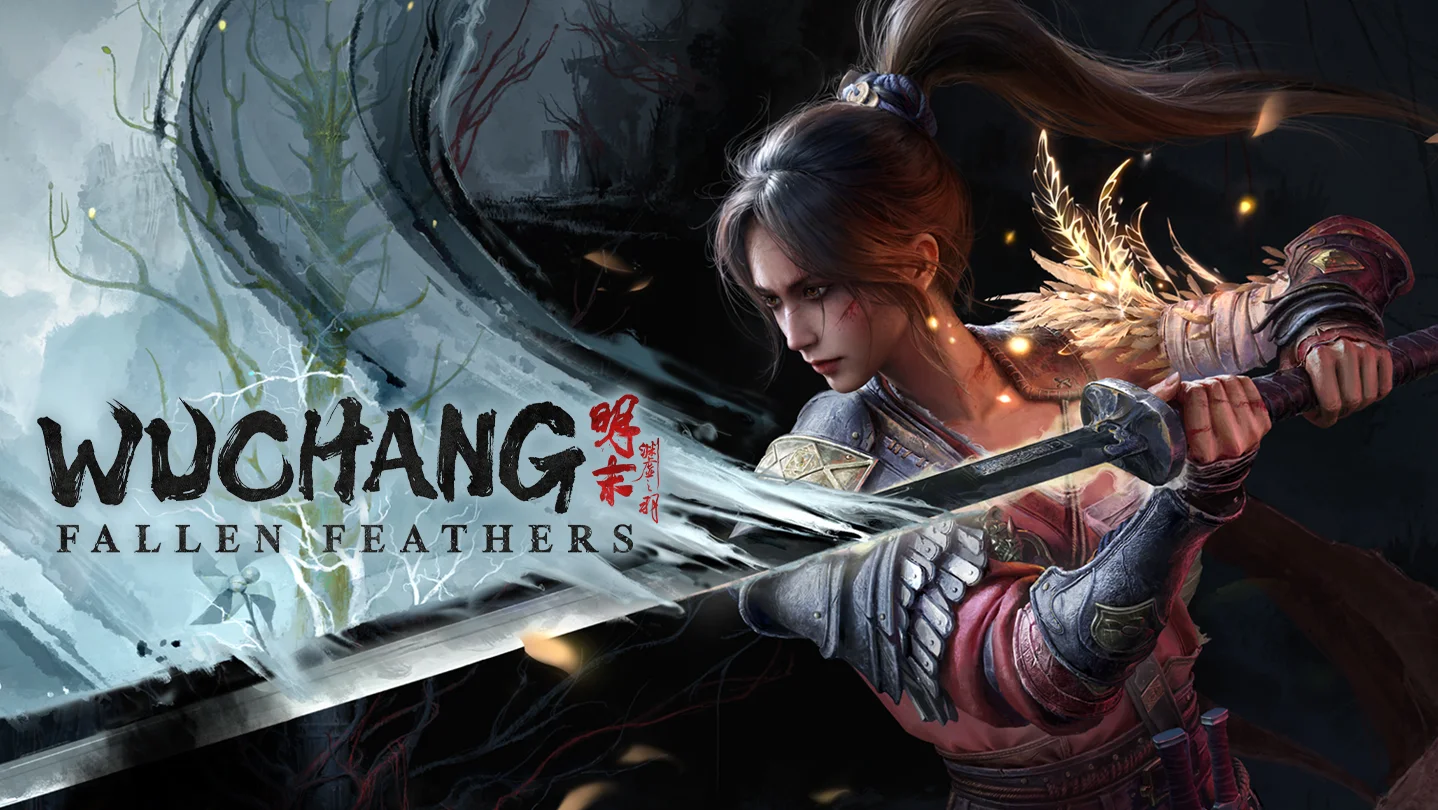
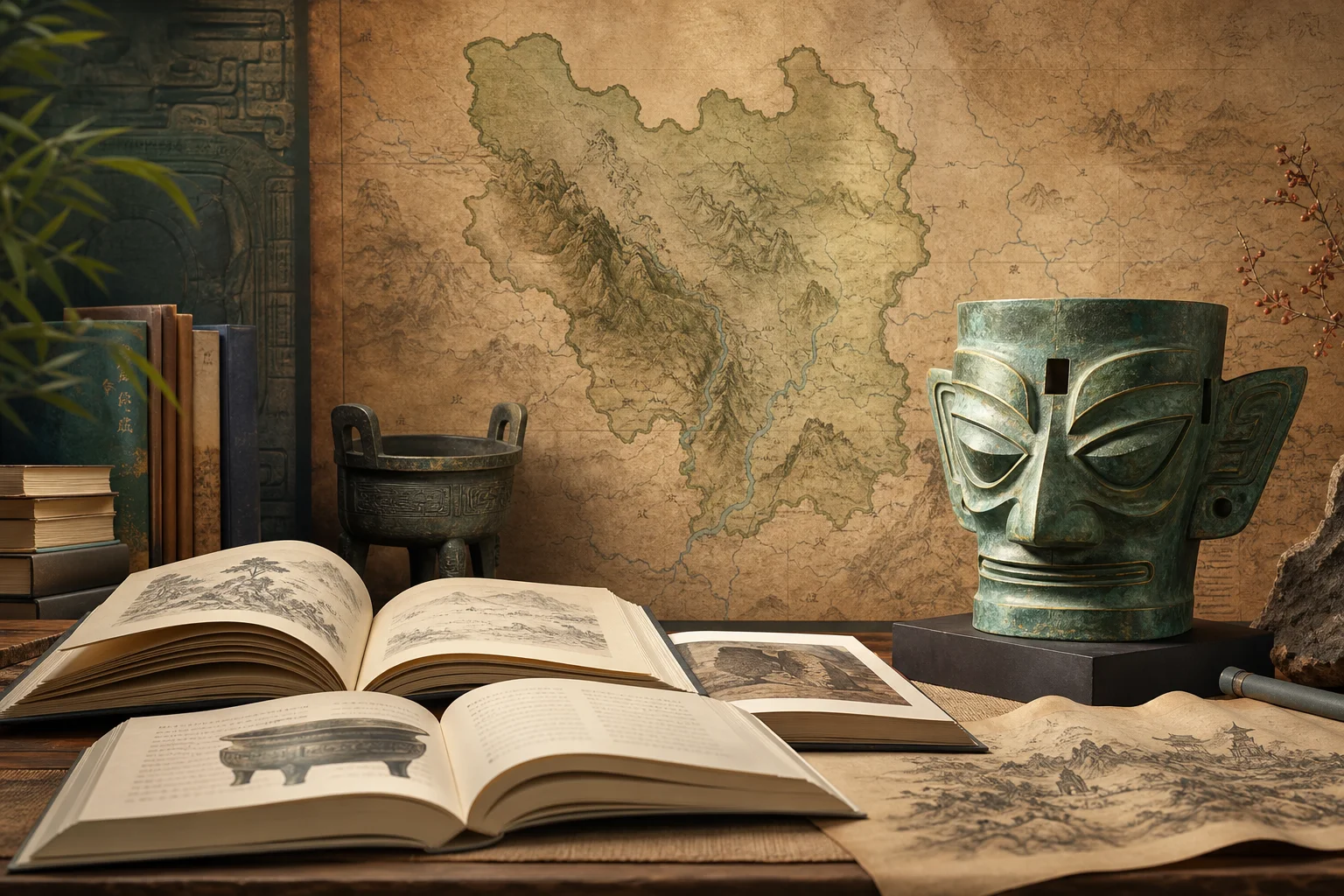
Finished the World Behind WUCHANG primers and want more? WUCHANG: Fallen Feathers draws on late Ming history, Sanxingdui archaeology, and classical Shu lore — but there is no single novel to read cover-to-cover. This guide points you to English-friendly books, museum sites, and films worth your time after you play.
You do not need a canon checklist
Unlike Black Myth: Wukong, there is no one 100-chapter source text. Start with our primer series (~35 minutes), use the Glossary while playing, then dip into the resources below when a name, mask, or date hooks you.
Low commitment
Culture primers + glossary — ~40 minutes, no spoilers
Medium
Sanxingdui virtual exhibits + one late Ming history chapter
Deep dive
Shanhai Jing selections + Sichuan archaeology catalogs
Start here (English-friendly)
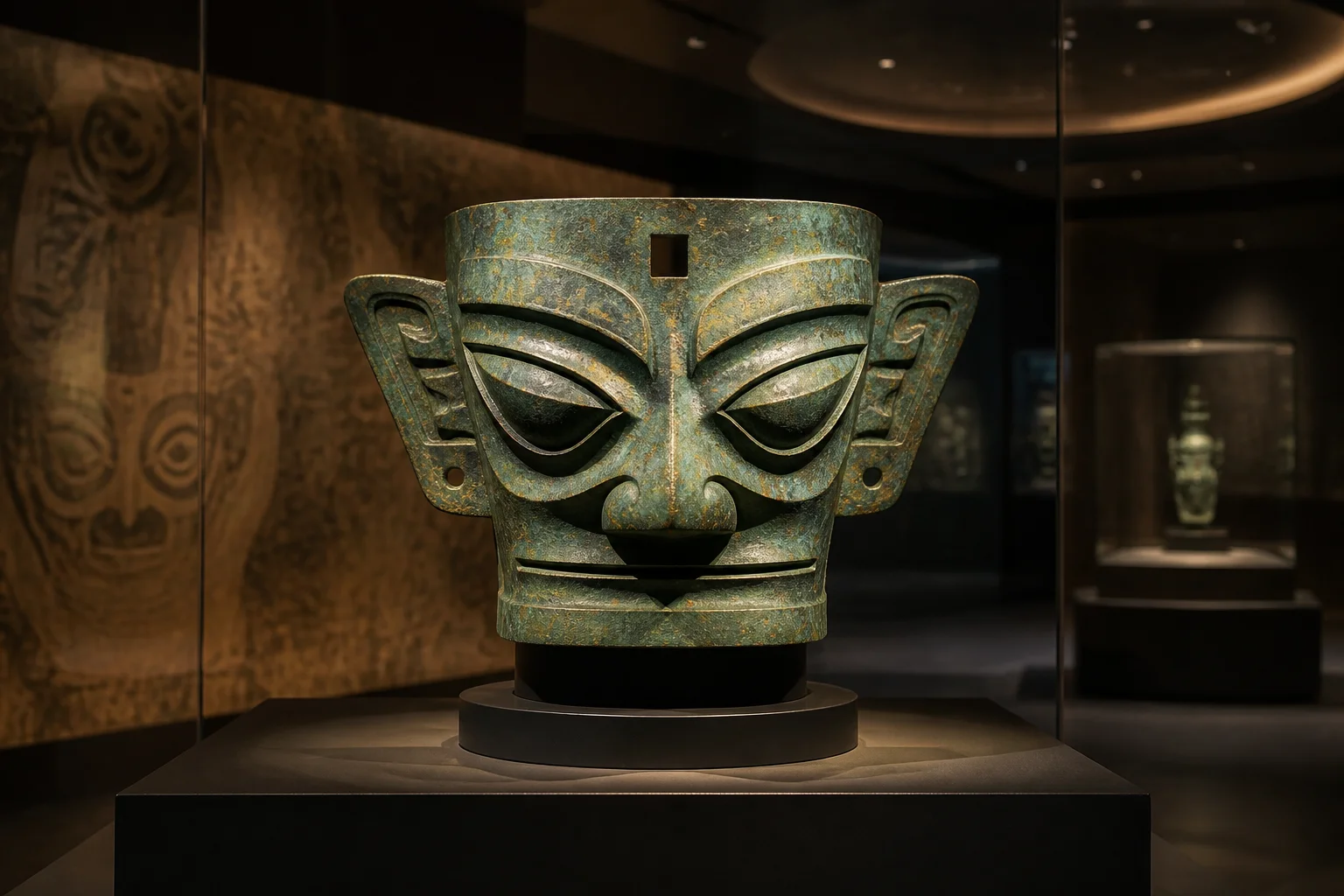
- Sanxingdui Museum online — official virtual tours and artifact databases; essential for understanding mask and bird motifs.
- The Search for Immortality: Tomb Treasures of Han China (exhibition catalog) — useful context for how later dynasties remembered southwestern cultures.
- The Classic of Mountains and Seas — multiple English translations of Shanhai Jing (山海经); read the “Feather People” and western regions entries for mythic background.
Late Ming & Sichuan history
- The Great Ming Code and general Ming surveys — for institutional background; pair with chapters on the dynasty's final decades in any standard Chinese history textbook (e.g. Cambridge China volumes).
- The Qing Formation in the Eighteenth Century by Pamela Kyle Crossley — opens with the Manchu conquest era; helpful for understanding what replaced the Ming.
- Search academic databases for “Zhang Xianzhong Sichuan” — English articles debate population loss and sources; good for calibrating how much horror the game imports from real devastation.
Shu chronicles & poetry
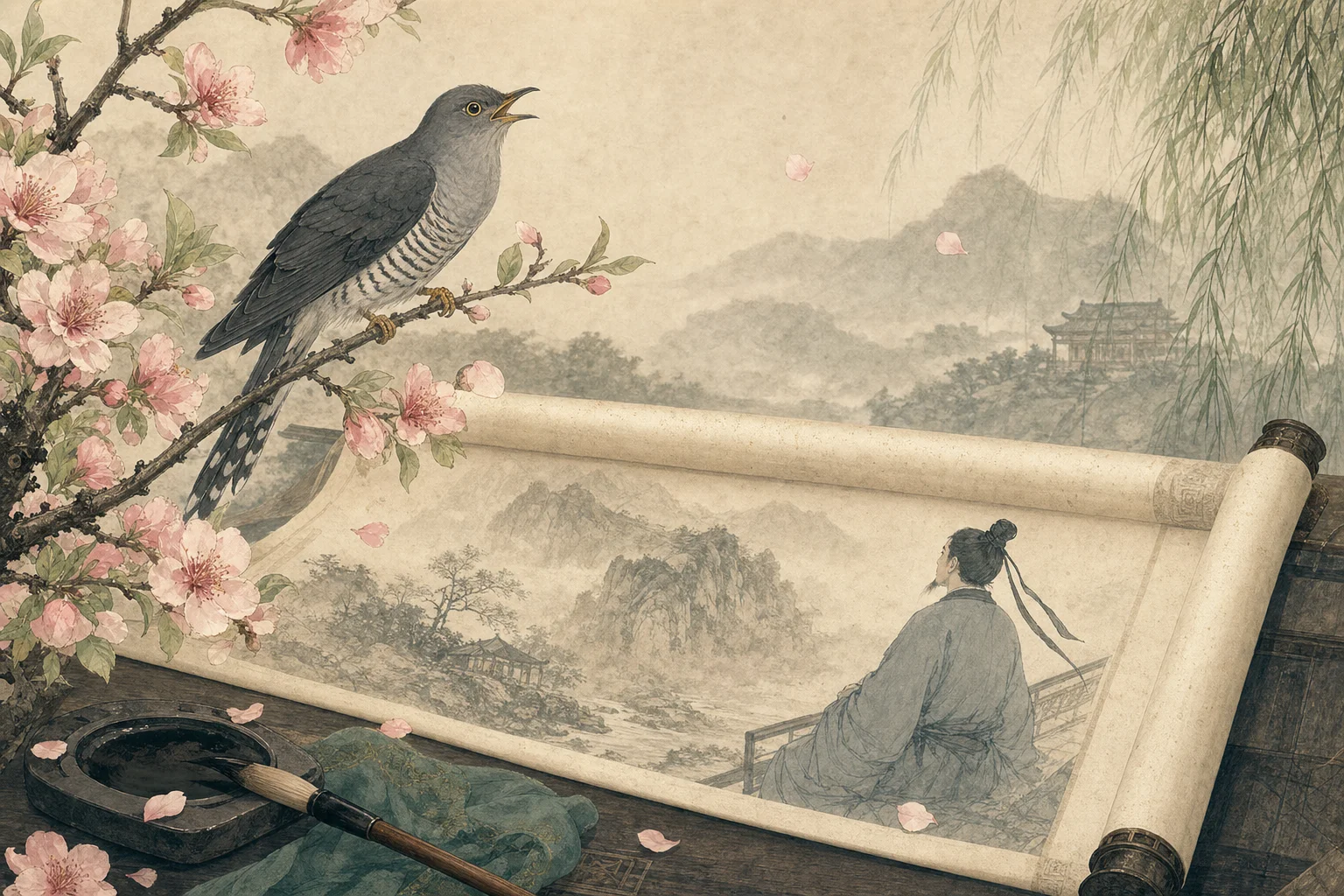
- Records of the States South of Mount Hua — partial English work on Huayang Guo Zhi (华阳国志); search library catalogs for “Huayang Guo Zhi translation.”
- Li Shangyin, Broidered Zither — for “spring heart entrusts the cuckoo” (望帝春心托杜鹃); any bilingual Tang poetry anthology.
- Jinsha Site Museum — Chengdu; sun-bird gold foil and related finds; English pages on official tourism sites.
Film & documentary
Archaeology
CCTV / UNESCO docs on Sanxingdui — search “Sanxingdui documentary English subtitles”
History
Ming collapse documentaries — mood reference; verify claims against books
Game-adjacent
Official WUCHANG trailers and developer interviews on Steam / YouTube
If you read Chinese
- 《华阳国志》 — foundational Shu regional history; modern annotated editions
- 《蜀王本纪》 fragments — Du Yu and Bie Ling traditions
- 三星堆 / 金沙 — excavation reports and museum catalogs from Sichuan publishing houses
- 明末史料 — Ming Shi (明史) and wild-history (野史) accounts of Sichuan; read with source criticism
Suggested order for WUCHANG fans
| Step | Action | Time |
|---|---|---|
| 1 | Finish Dragon Forge primers (this Culture hub) | ~35 min |
| 2 | Browse Sanxingdui Museum online + bookmark the Glossary | 30 min |
| 3 | Read one Shanhai Jing feather-people passage + one late Ming overview chapter | 1–2 hrs |
| 4 | Follow wuchanggame.com and Steam news for patches | Ongoing |
Continue with Characters & Their Roots — coming soon: Wuchang's name, Du Yu / Bie Ling deep dive, and feathered monsters in folklore vs gameplay.
Need quick lookups while playing? Open the Glossary: Names, Terms & Translations.