Review info: Post-launch patch build (June 2026) · PC (Steam app 2277560, RTX 4070 / Ryzen 7 7700) · ~42 hours played (main story + two endings) · Light spoilers (region themes only)
Read this first: Late Ming Sichuan in 10 Minutes · Feathering & Red Mercury · Ancient Shu & Feather People
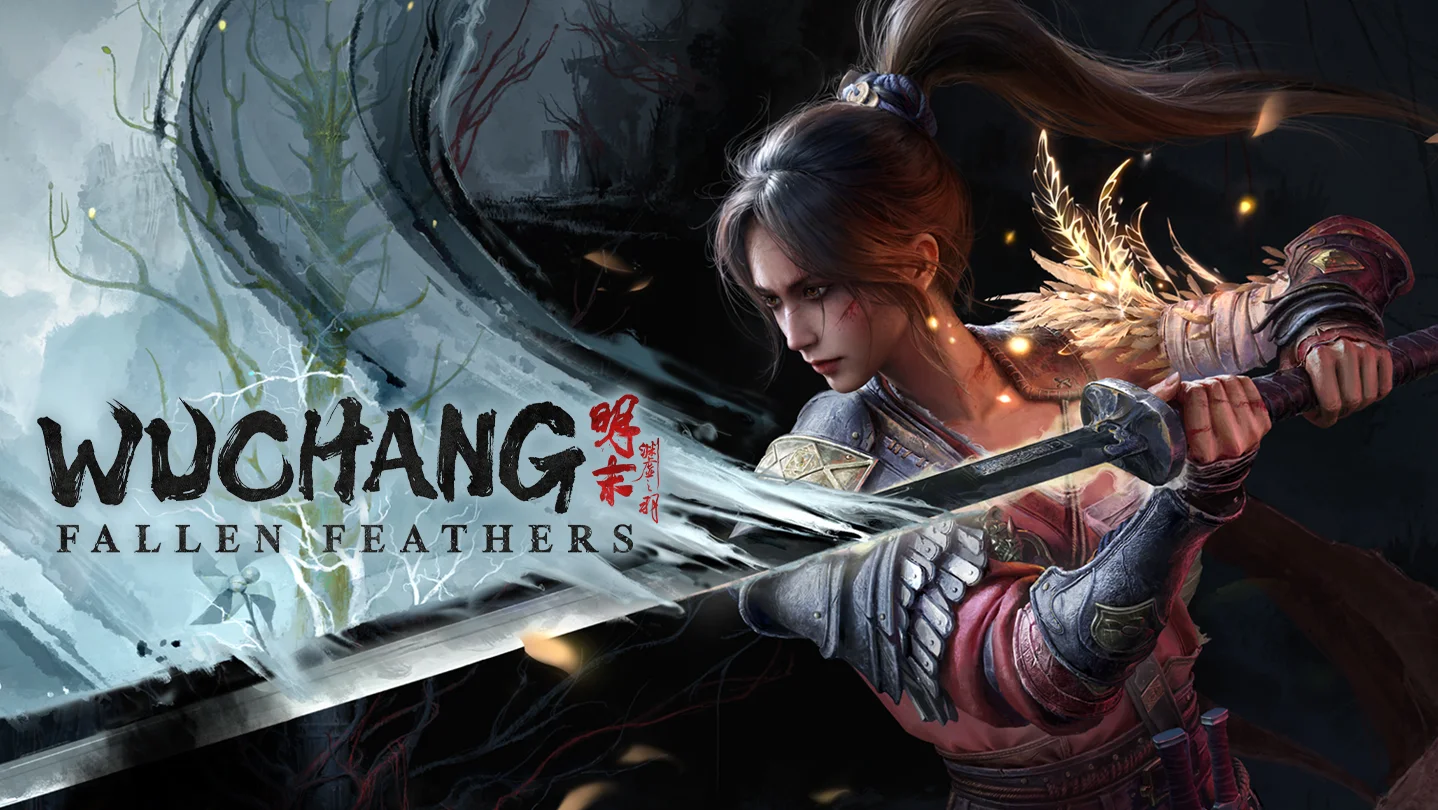
When WUCHANG: Fallen Feathers launched in July 2025, Western players already had a crowded shelf of Chinese action RPGs — but Leenzee's debut asks a question the others mostly skip: what if your power meter and your plague were the same symbol? You play Wuchang, an amnesiac pirate warrior infected with Feathering, returning to war-torn Shu in 1647 to recover memories of her dead sister Bai Yu and push back the winged abominations swallowing the province. This is a soulslike with fast weapon swaps, a massive skill tree, and Sanxingdui-branded art direction that photographs like a museum exhibit gone feral. Eleven months later the question is not whether Wuchang looks distinctive — it obviously does — but whether uneven boss tuning and still-demanding PC specs should change when, not if, you buy.
Feathers Fall Over Shu
Chengdu-based Leenzee built WUCHANG on Unreal Engine 5 and shipped globally through 505 Games on July 24, 2025 — PC (Steam and Epic), PlayStation 5, and Xbox Series X|S, with day-one Xbox Game Pass. Western marketing leaned on soulslike shorthand; the game itself stacks three cultural layers Western players rarely get in one package: documented late-Ming collapse (Zhang Xianzhong's Shu reign and the 1647 vacuum), ancient Shu archaeology and feather immortals (Sanxingdui masks, Du Yu / cuckoo legend, winged people from classical literature), and cosmic-horror undertones that treat ascension as mutation rather than salvation.
If you wanted another Black Myth: Wukong pilgrimage through a single literary canon, adjust expectations. Wuchang is closer to Lies of P territory — interconnected districts, checkpoint rest points, build tinkering — but with a historical date stamp and a plague mechanic that never lets you forget the world is rotting while you grow stronger. Our Late Ming Sichuan primer explains why 1647 matters; this review focuses on whether the game plays as well as it presents.
From Chengdu Studio to Late-Ming Epic
Leenzee is a smaller Chengdu team betting its first premium single-player project on global soulslike appetite — not a mobile pivot like Game Science, not a returning indie like S-GAME, but a studio that went straight for UE5 spectacle in a niche historical frame. Development cycles ran long enough that launch-week PC performance became a headline; by mid-2026 multiple patches have stabilized most sessions on mid-high hardware, though the game still asks for honest GPU headroom at higher settings.
We tested on PC (Steam app 2277560) with a Ryzen 7 7700, 32 GB RAM, and an RTX 4070 at 1440p. Copy was self-purchased; no review code was provided by the publisher. Premium pricing holds at $59.99 on Steam — no season pass, no cosmetic shop, no premium currency. Store links for every platform live on the Game Hub.
Skyborn Might, Weapons, and Red Mercury
Wuchang's daily loop, once tutorials finish, reads: enter a district → explore branches and shortcuts → fight to stack Skyborn Might (羽势) → spend Red Mercury at an Impetus Repository → rematch gate bosses. Rest points act as checkpoints and fast-travel anchors. Death returns you with lost Red Mercury on your corpse — classic souls tension — but free respecs and a generous skill tree mean you can pivot builds without a wiki spreadsheet.
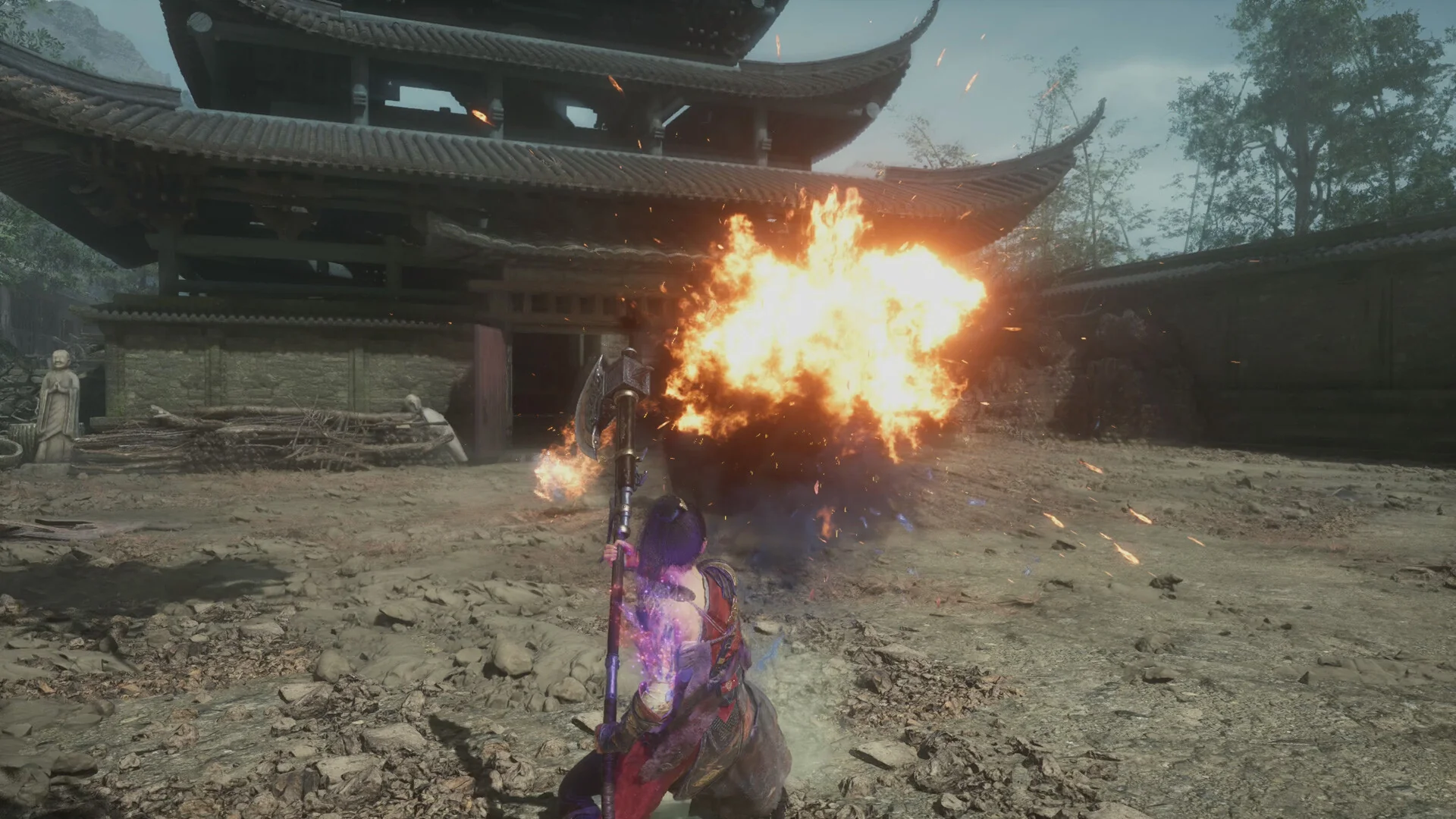
Five melee families — longswords, one-handed swords, dual blades, axes, spears — each slot a Discipline (weapon technique) and swap combo rhythm without changing protagonist. Deflect windows feel tighter than some soulslikes; stagger and posture damage matter, especially on elites that absorb careless light chains. Harvested enemy skills add loot-thrill beyond stat bumps, and spell slots complement rather than replace martial identity. For why feathers double as combat fuel and plague symbol, see our Skyborn Might culture piece; mechanically the verdict is: readable, deep, and worth respec experiments after every major gate.
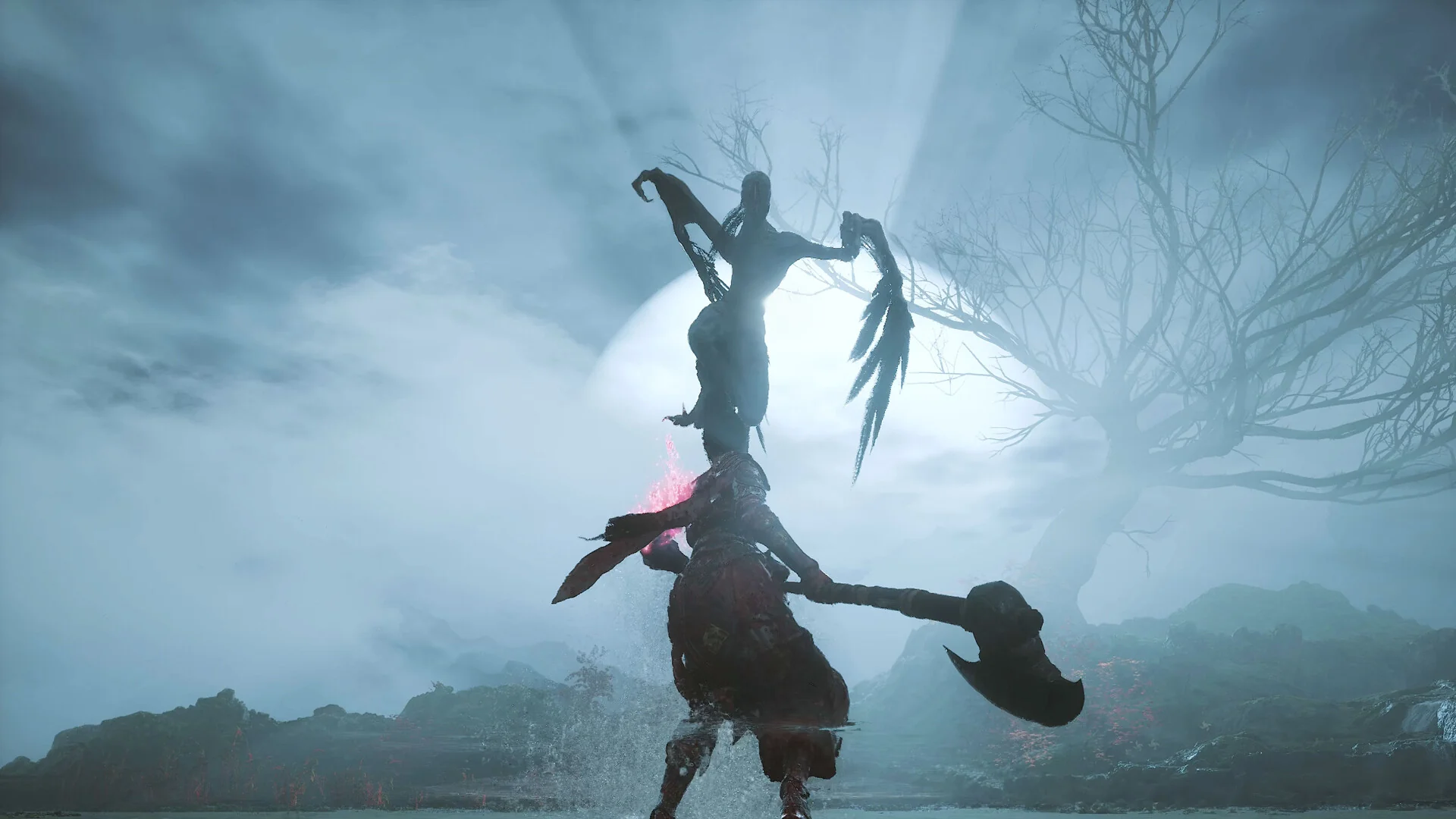
Red Mercury is the other half of the build game — sacrificed at repositories to grow stronger while Shu dies around you. The UI frames it as progression; the narrative frames it as complicity. That tension is deliberate, and it keeps mid-game upgrades from feeling like abstract RPG numbers. We are not listing individual boss names or phase breakdowns here — spoiler policy stays light — but the high-level truth holds: major fights are multi-phase arena exams, most visually excellent, with a handful of late-game spikes that feel overtuned on first approach.
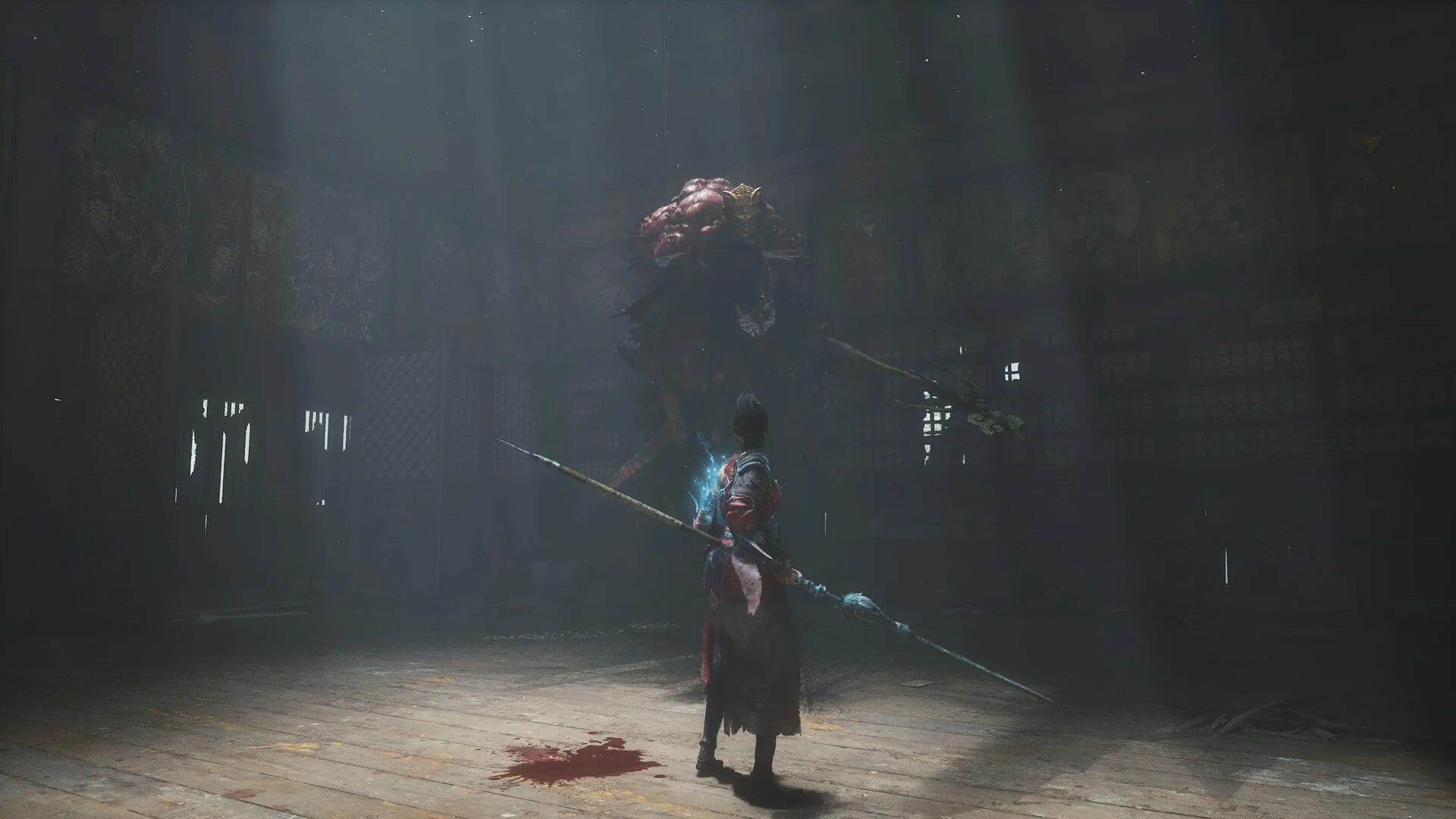
Progression stays flexible: large skill web, weapon upgrades, enchantments, and passive bonuses from defeated elites. You will not become a pure mage — Wuchang stays a martial protagonist — but dual-weapon loadouts and harvested skills create more build variety than the conservative stat pills in some peers. Difficulty options are minimal; accessibility toggles are sparse. Action newcomers should expect to learn through repetition, not sliders.
Plague, Memory, and Multiple Endings
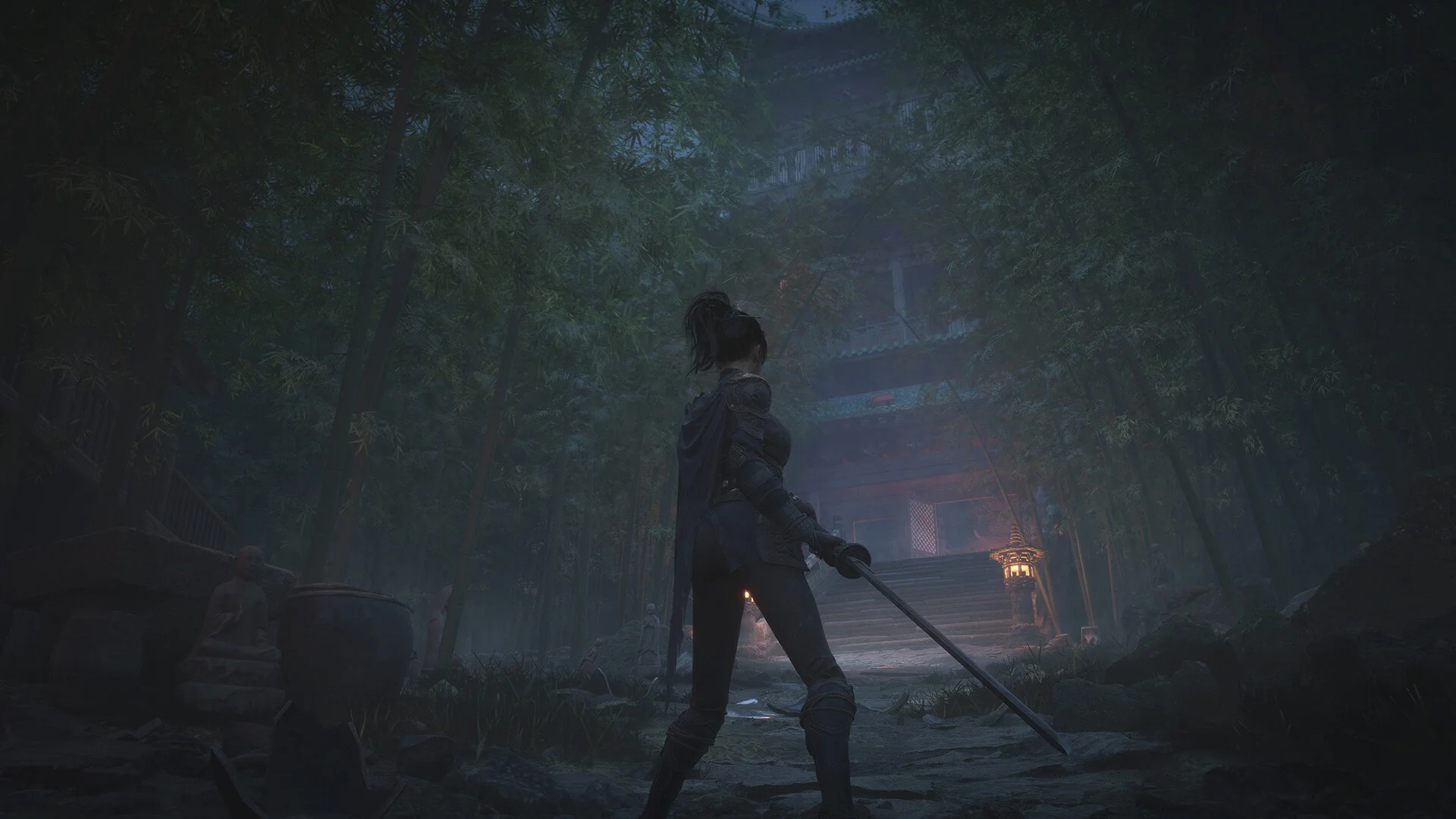
Narratively, Wuchang is an amnesiac returning to a province she fled — infected, armed, and hunting memories of Bai Yu (白钰) while warlords and Feathering compete to erase what remains of Shu. Districts unfold as interconnected zones — mist-soaked valleys, bamboo temple approaches, cave shrines, battlefield ruins — each carrying environmental story without constant NPC chatter. We will discuss themes like 1647 collapse and Feathering stages because they appear in marketing and our Culture primers, but we will not spoil ending branches, Chisel resolutions, or who survives the finale. For memory-motif deep reading (marked heavier spoilers), see Sister Bai Yu & the Memory Motif.
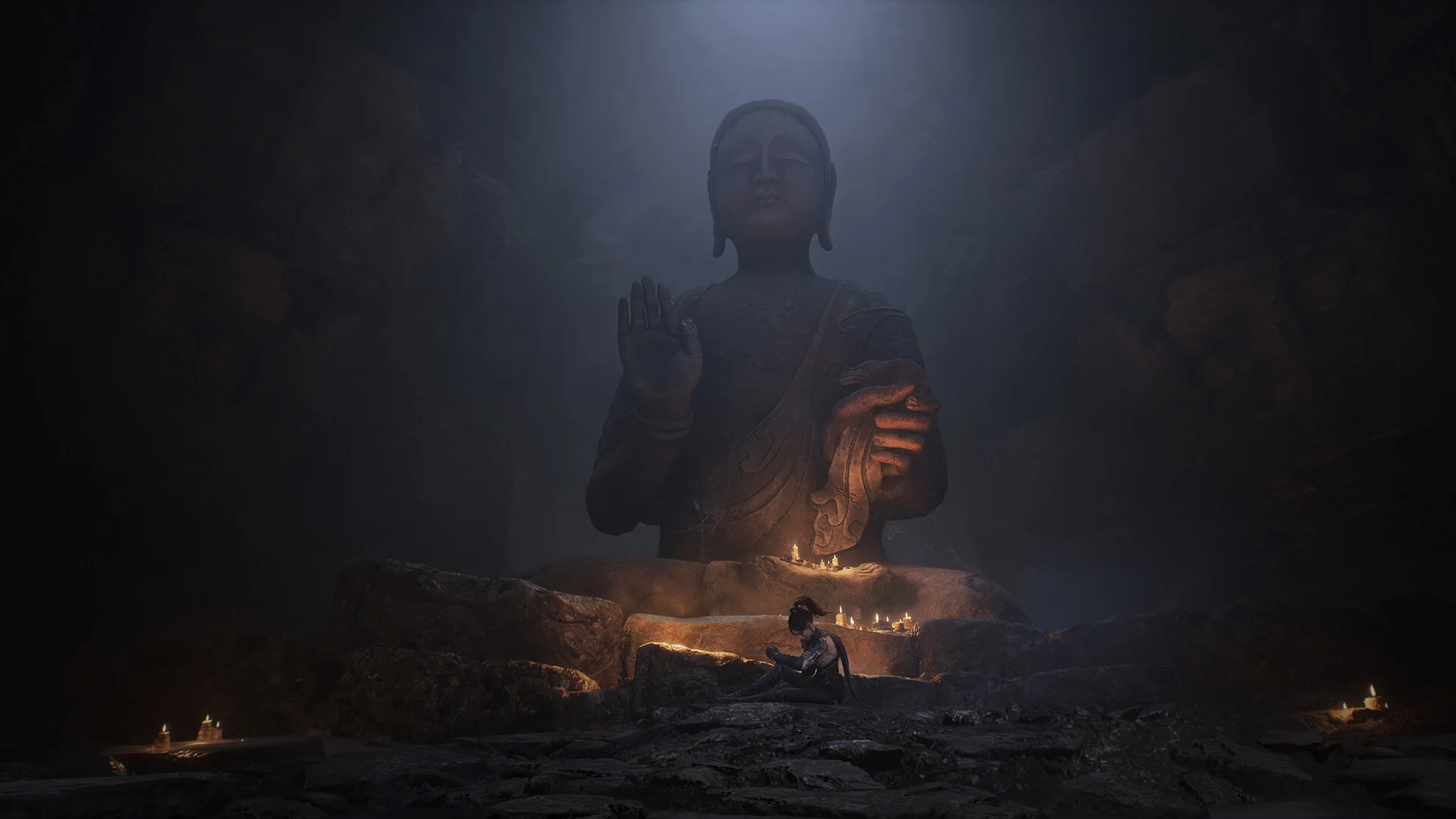
The writing lands best in short vignettes, item flavor, and boss introductions. Early hours clarify the sister quest and plague stakes; mid-to-late chapters ask you to hold historical factions, mythic symbols, and cosmic horror whispers in your head simultaneously — rewarding if you read Culture sidebars, confusing if you skip all context. Players who want constant dialogue trees may feel underserved. Players who treat the game as an interactive excavation — history, myth, and mutation layered in the same map — will find plenty to chew on. How much you get from the plot correlates with how much you read outside the game; our history-myth-horror living doc and glossary exist for that second pass, not as homework before hour one.
Multiple endings reward a second run with different Chisel and memory choices — not full New Game Plus spectacle, but enough branch variance that completionists should budget extra hours. English subtitles are clear; English VO is serviceable. Chinese VO remains the reference performance for tonal nuance.
Sanxingdui Scanned Into Pixels
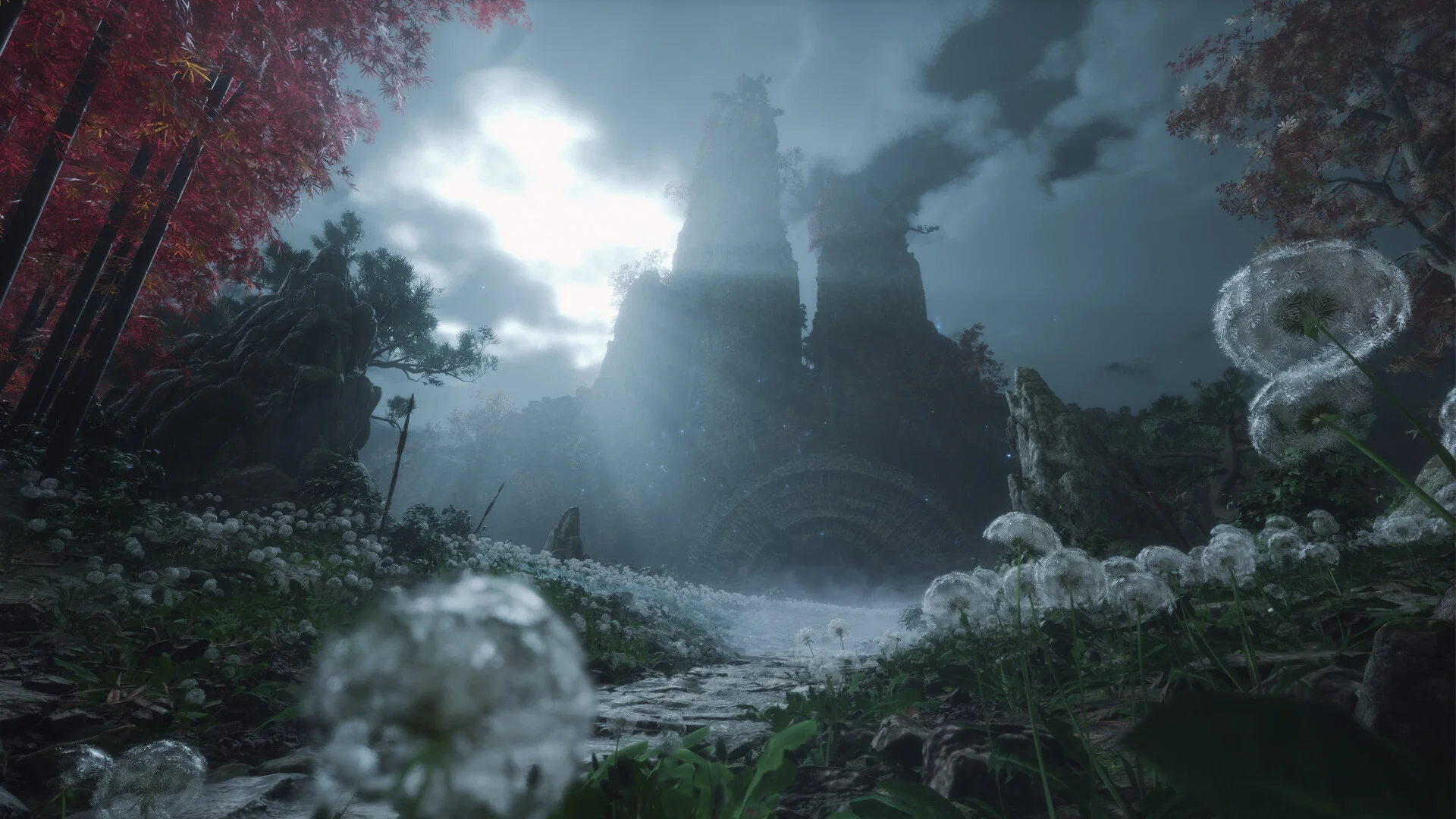
Leenzee's art direction borrows Sanxingdui bronze palettes, Han-era gate ruins, and Ming military costuming, then pushes everything through a sickly feather-green color grade when Feathering is near. The result is one of the most distinctive visual identities among recent soulslikes — neither generic brown fantasy nor neon cyber-wuxia, but archaeological horror meets warlord mud.
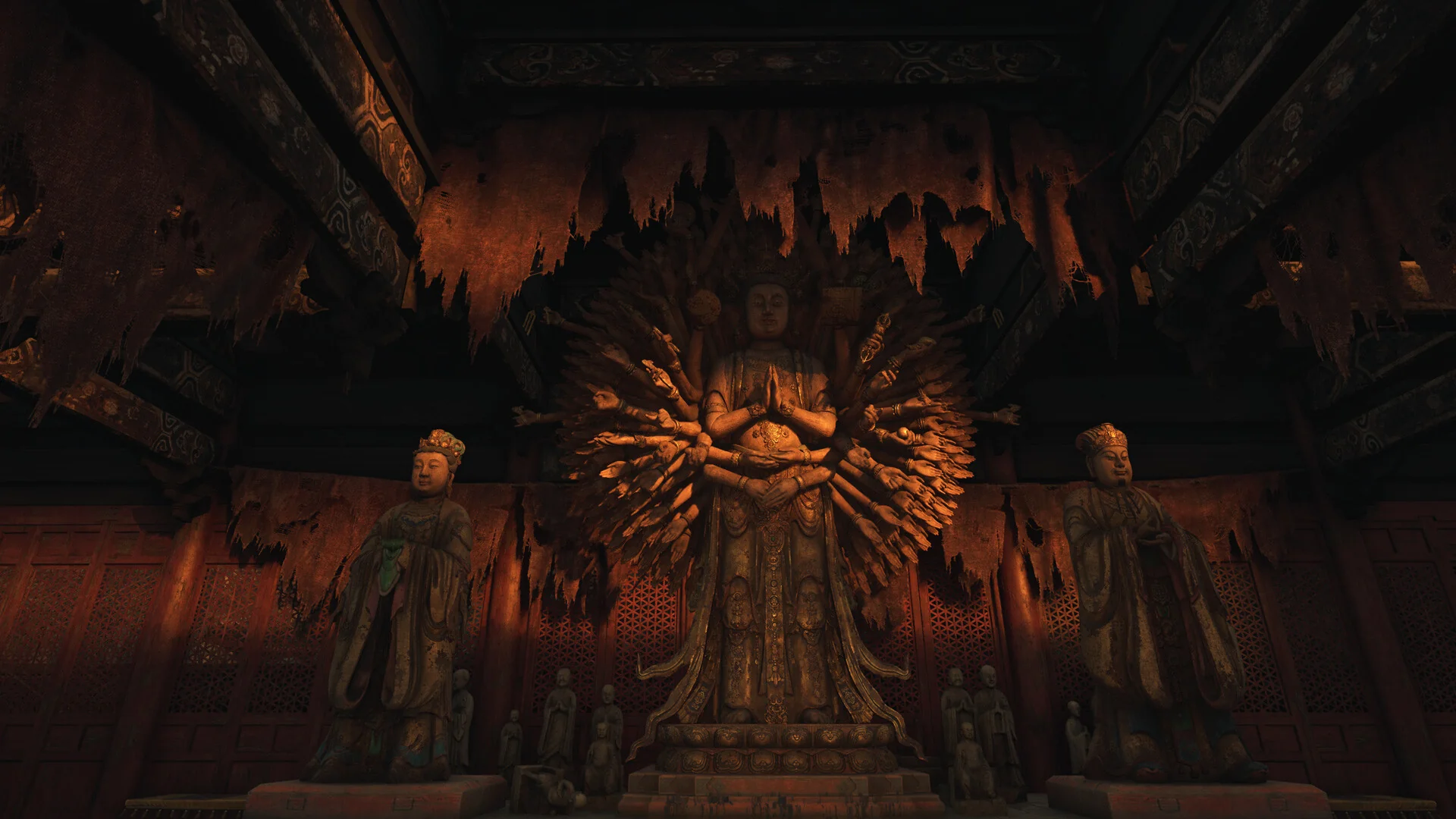
Character models — especially Feathering abominations — combine grotesque anatomy with costume detail that rewards exploration pauses. Boss scale varies from claustrophobic hall duels to moonlit arena spectacles, and the camera rarely loses readability despite particle-heavy spells. Audio matches the ambition: percussion-forward combat mixes, regional instrumentation in exploration, and environmental sound that sells plague silence between fights. For landmark references behind the vistas, our Sichuan landmarks piece goes deeper than this review needs.
PC Performance After Launch Patches
Performance was the loudest launch complaint. Wuchang on PC could stutter through foliage-heavy outdoor scenes and shader compilation on first boot — familiar UE5 growing pains amplified by global day-one traffic. We re-tested after the June 2026 patch series on a mid-high rig; the story improved, though the game still rewards strong GPUs more than budget cards.
PC notes at a glance (RTX 4070, Ryzen 7 7700, 32 GB RAM, 1440p)
Frame rate: High settings averaged high 50s–60 fps with DLSS Quality; dense outdoor fog and particle-heavy boss phases still dip into the mid-40s.
4K / max settings: Playable on RTX 4070 with DLSS; native 4K Ultra expects RTX 4080-class hardware for stable 60 fps.
Loading: NVMe SSD keeps rest-point reloads under three seconds after initial shader cache builds.
Known issues: First-hour shader compilation stutter remains; occasional hitches in waterfall-adjacent zones; Steam Deck play is possible at reduced settings but not comfortable as a primary platform.
Minimum practical PC spec (1080p / 30 fps, Low–Medium): GTX 1060 6 GB or RX 580, Ryzen 5 1600 / i5-8400, 16 GB RAM, SSD. Treat Steam's official minimum as a floor, not a comfort target.
Recommended PC spec (1440p / 60 fps, High): RTX 4060 Ti or RX 7700 XT, Ryzen 5 7600 / i5-13400, 16 GB RAM, NVMe SSD. Our RTX 4070 rig handled High at 1440p with DLSS Quality; disabling ray-tracing features bought headroom without gutting the Sanxingdui lighting that sells the art direction.
First launch still compiles shaders in the background; expect stutter for the opening hour until caches settle — plan a short session before judging performance fairly. If your GPU sits below the recommended tier, wait for a sale or accept Medium settings; the game remains visually striking on Medium.
Hours, Price, and Replay Value
A focused main-story run took us roughly 32 hours; pursuing a second ending, optional elites, and repository upgrades pushed toward 40–42 hours before we stopped counting. That is solid premium value at $59.99 — comparable to a single AAA release without live-service padding. Build respecs and multiple endings give skilled players reason to stay after credits, even if NG+ escalation is conservative compared to pure loot soulslikes.
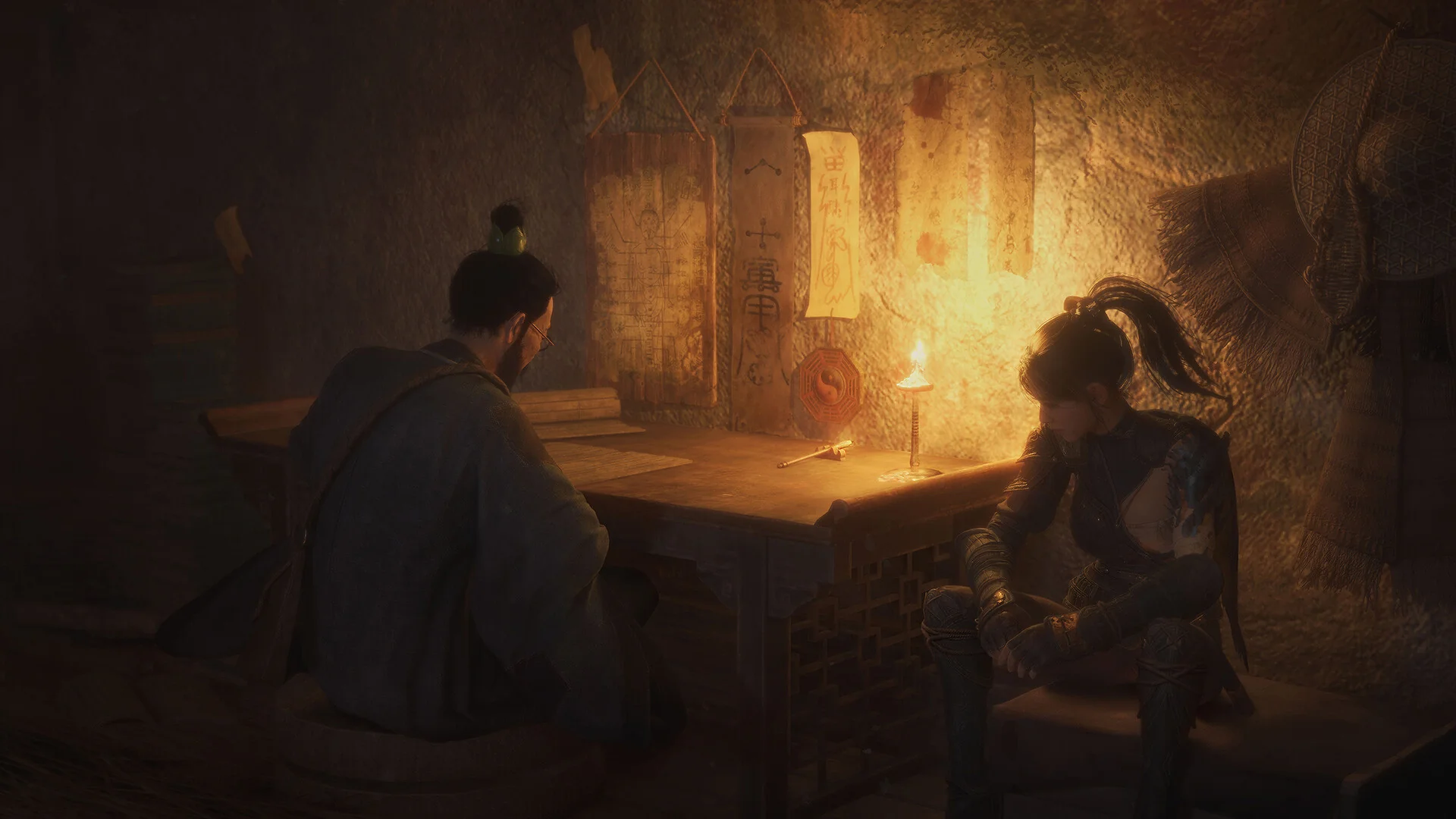
There is no multiplayer, no daily quests, and no FOMO calendar. Wuchang respects your time in the sense that it ends when the story ends — but it also respects difficulty more than convenience, so budget extra hours if you are not already comfortable with soulslike pacing. Xbox Game Pass availability gives console-adjacent players a low-risk entry; this review's performance notes reflect PC specifically. After the finale, our post-game reading list points to documentaries, museum resources, and Culture articles worth your shelf space.
Who Should Buy, Wait, or Skip
Buy now (full price): Soulslike veterans who want fast combat and deep respec trees, players curious about late-Ming Shu history who can tolerate fragmented storytelling, anyone with a mid-high PC who wants a complete premium adventure with Sanxingdui-tier art direction and no monetization hooks.
Wait for a sale or patch: Mid-low PC GPUs (GTX 1660 class), players who hate tiny boss punish windows, narrative-first RPG fans who need constant dialogue, and action newcomers who need robust difficulty options.
Skip: Players who dislike stamina-based combat, anyone expecting Elden Ring-scale open world freedom, or buyers with zero interest in Chinese history and archaeology — this game will not convert you through mechanics alone.
WUCHANG: Fallen Feathers lands as a visually distinctive, combat-rich soulslike with a cultural stack few peers attempt — held back by uneven late-game difficulty tuning and PC performance that still demands honest hardware eleven months after launch. If that trade sounds fair, start at the Game Hub for store links, then treat our Culture Hub as optional enrichment once the first rest point clicks. Compared to mythic blockbusters like Black Myth: Wukong, Wuchang is archaeology-first — and for history-curious soulslike fans, that is exactly the point.