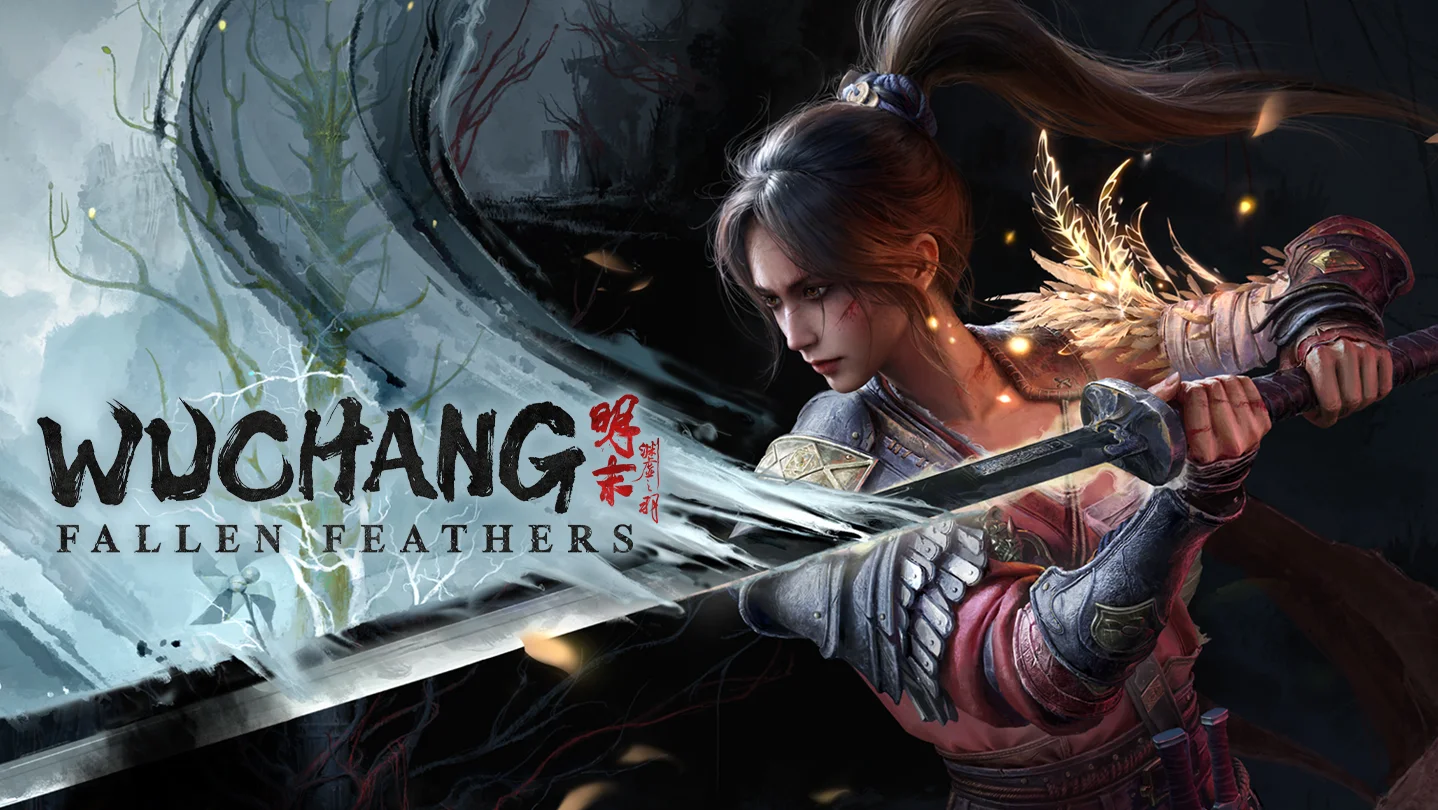
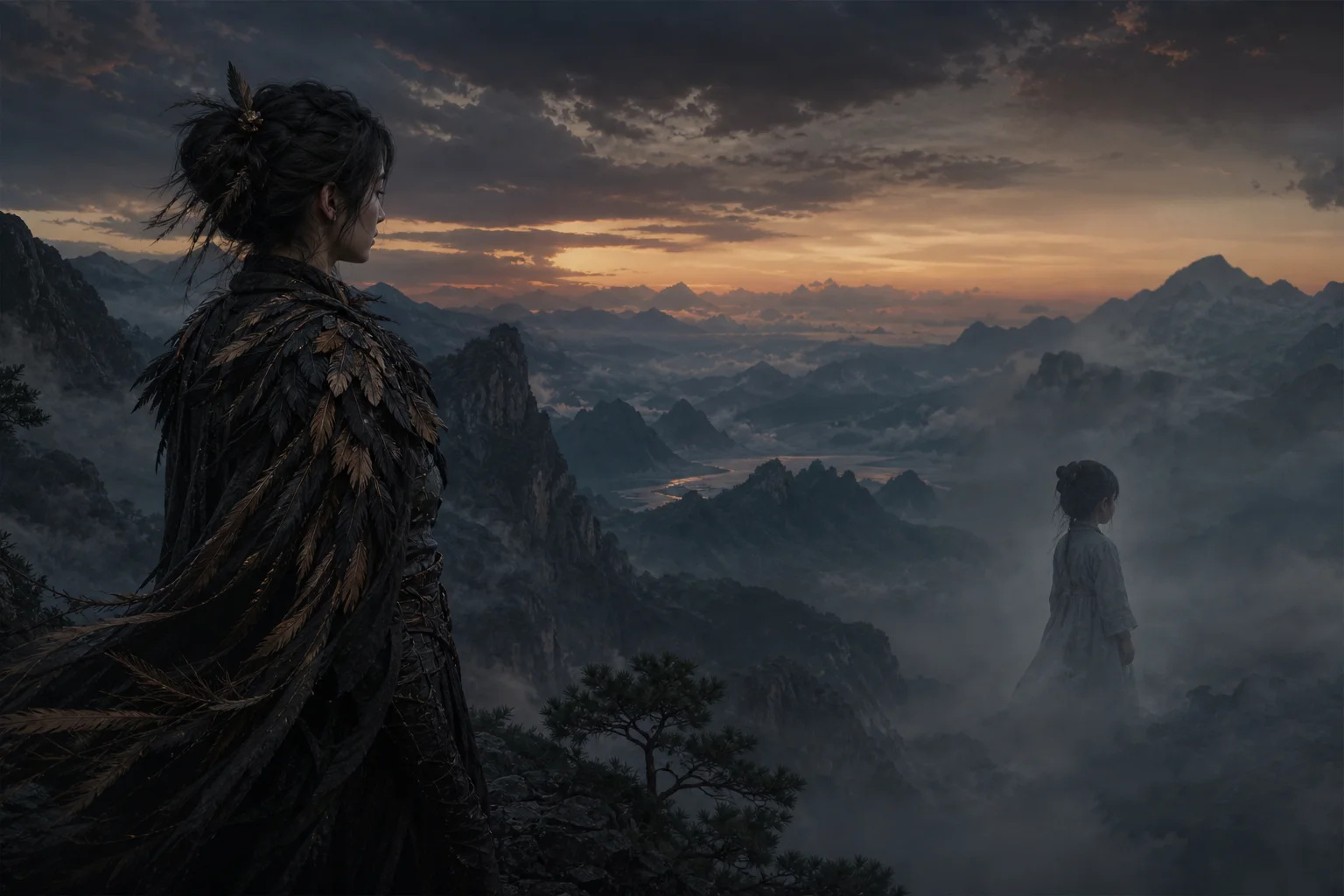
Major spoiler warning: this article discusses WUCHANG: Fallen Feathers ending branches, the Demon of Obsession, rebirth cycles, and who boards the final boat. Finish the main quest — or accept full plot exposure — before reading. Safe primers: Wuchang & the Name, Feathering & Red Mercury.
Module B closes on the story's emotional engine: not Zhang Xianzhong's banners or Bo sorcerer masks, but a dead eight-year-old sister and the memories Feathering keeps stealing. Leenzee built a soulslike where history collapses outside and grief loops inside — and the Chinese title word 无常 (impermanence) finally pays off in the ending menu.
Who was Bai Yu?
Bai Yu (白钰, Bái Yù) is Wuchang's younger sister — the person the entire resurrection quest exists for. Official backstory (confirmed across opening materials and mid-game flashbacks):
- Daughters of a Jinyiwei regional commander; after family catastrophe they survive at sea
- He Youzai (何有哉, Hé Yǒuzāi) — pirate captain — shelters the sisters on his crew
- During a raid against rival pirates, Bai Yu dies at age eight
- Wuchang refuses to accept the loss and returns to Shu seeking the same class of forbidden revival their father once attempted on an elder brother — with disastrous results
Community sources often give Wuchang's birth name as Bai Ziyun (白子云, Bái Zǐyún) before she earned the pirate nickname Bai Wuchang (白无常) — literally White Impermanence, one half of the famous underworld duo. That nickname is not random branding: she became the living face of death's bureaucracy while trying to reverse death for her sister — folklore irony the game never spells out in English.
Name layer: See Wuchang & the Name for why she is not the folk deity — here the point is emotional: she wears the White Impermanence title while haunted by a child she could not escort safely through life.
Why resurrection horror precedes the tutorial
Before you wake in Xuanyangzi's cave, Wuchang already chased a rumor to Worship's Rise (拜愿升 / Foyuan): a novelist named Luo allegedly revived his dead daughter. The truth is a Feathering catastrophe — the girl returns as monster Lu Hongliu, and Wuchang is thrown from the cliff (killed or near-killed; the game treats it as the start of a rebirth cycle).
Culturally this is a premature burial of hope trope Chinese horror knows well: resurrection without cosmic permission produces jiangshi-adjacent wrongness, not family reunion. Wuchang's quest therefore begins in warning — every chisel fragment she hunts carries Lu Hongliu's lesson — yet obsession overrides caution for most of a playthrough.
Memory, Feathering, and the unreliable past
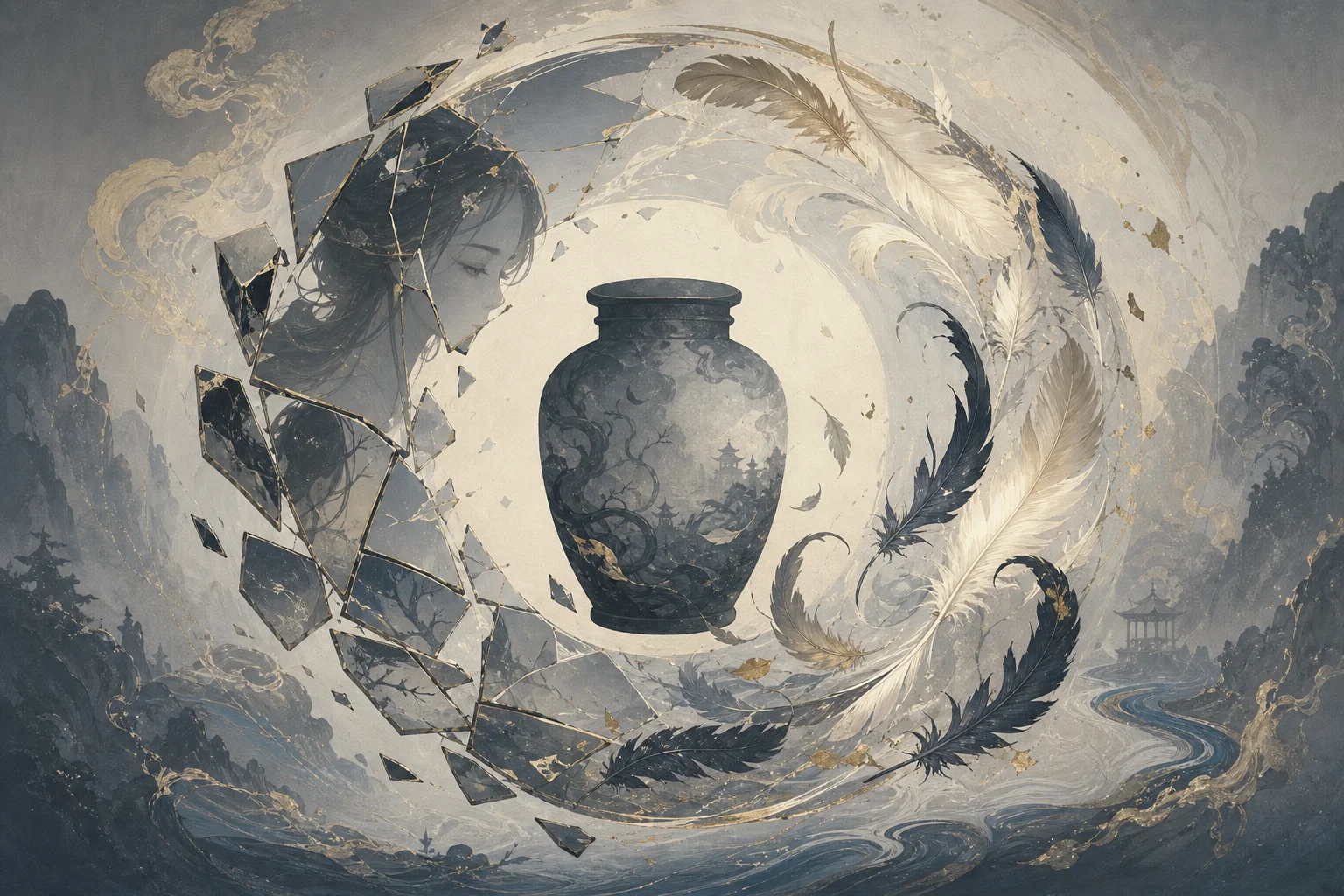
Three systems overlap:
- Narrative amnesia — Wuchang wakes not knowing how she arrived; players reconstruct alongside her
- Feathering symptom — infection correlates with identity drift (see Feathered Monsters)
- Samsara cycles — death and shrine respawn are not just soulslike convenience; late game confirms prior Wuchangs existed
He Youzai parallels this: boat medicine suppresses his Feathering, but his side quest shows memory failing until he barely recognizes Wuchang at the end. Grief shared on a boat — classic Chinese exile imagery — becomes a double tragedy when the companion forgets why he sailed inland.
Fang Yao (方瑶) enters through Snowfall Palace tragedy: her elder sister Fang Ling was revived with a chisel and turned monstrous. Fang Yao's arc rhymes with Wuchang's — two women watching resurrection corrupt the person they loved — which sets up the true ending's substitution theme.
The Demon of Obsession and the Ring of Samsara
Late in the Bo Capital layer, Wuchang fights the Demon of Obsession (执念魔) — an incarnation of herself that never abandoned the sister quest across countless dream-cycles. Defeating it yields materials to craft the Ring of Samsara – Rebirth (轮回环·生), a key that unlocks the wish-driven ending path at the Gate of Truth.
Buddhist readers will hear 执念 (zhíniàn) — fixated attachment, the clinging that keeps souls spinning in 轮回 (rebirth). The boss name is not subtle: the external demon is internal refusal to mourn Bai Yu properly. Du Yu lost a kingdom and became a cuckoo; Wuchang risks losing reality to hear a cuckoo-shaped echo of childhood laughter.
Four endings — what each says about memory and sisterhood
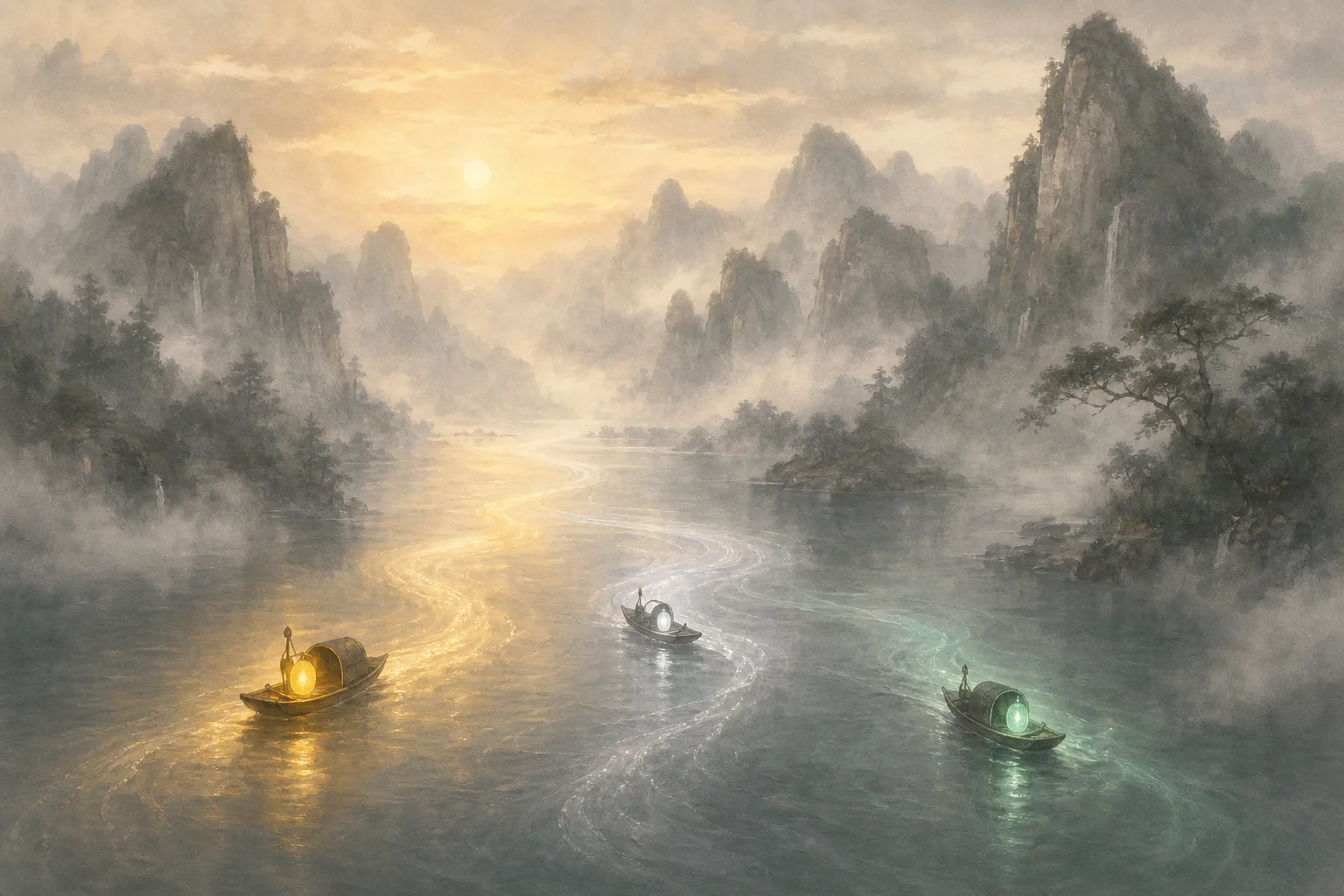
| Ending (English) | Chinese title | Who leaves on the boat | Feathering | Cultural read |
|---|---|---|---|---|
| Dream's Sweet Deceit | 梦中之梦 / 美梦骗局 | He Youzai + Bai Yu (illusion) | Still infected | Obsession wins — 黄粱一梦 (a rich dream) over acceptance; sister as phantom |
| Bound by Fate's Threads | 缘丝系命 | He Youzai + Fang Yao | Cured | True release — mourn Bai Yu, bond with the living; 随缘 (follow fate) not fight it |
| Jarful of Medicine | 药罐之中 | Cycle resets; Wuchang jarred | Loop continues | Xuanyangzi's experiment — you were never the first Wuchang; memory as specimen |
| Successor of the Bo | 僰之继承 | Ascension path (no boat epilogue) | Transformed | Abandon sister quest for ancient Shu power — identity replaced by tribal godhood |
Dream's Sweet Deceit is emotionally “happy” and structurally tragic: Bai Yu walks beside you because you chose the dream gate with the Rebirth ring. Community guides call it the good ending for sister fans; literary reading says it is the bad ending for Wuchang's soul — she trades truth for a child who cannot age, cannot grow, cannot truly return.
Bound by Fate's Threads is the route where Fang Yao and He Youzai questlines complete, the Rebirth ring is not used at the Gate, and Wuchang selects the realm of truth. Fang Yao replaces Bai Yu on the boat — not as crude replacement, but as acknowledgment that devotion to the dead was blocking obligation to the living. Feathering lifts; the title's Fallen Feathers finally read as recovery, not only corruption.
Jarful of Medicine punishes handing the Jade Ancient Chisel to Xuanyangzi (or skipping companion quests): the Taoist's next incarnation kills you, seals a prior Wuchang in a jar, and boots a fresh amnesiac run. New Game Plus was always hinting at this — you were looping before you knew the word for it.
Successor of the Bo branches earlier (Red-Clad Lady questline, refusing the Storyteller at Worship's Ruins): defeat the Bo Magus and inherit avian apotheosis instead of finishing the truth gate. Sister narrative abandoned for mythic kingship — a dark mirror of Du Yu keeping power until transformation was the only exit.
Reading endings through Chinese literary motifs
- 姐妹 (sisters) — classical drama loves sibling sacrifice; Bai Yu's eight-year death is deliberately pre-pubescent innocence — loss before the story she might have lived
- 梦 (dream) vs 真 (truth) — Zhuangzi butterfly logic: if reunion feels real, does obsession matter? The game answers: yes, when Feathering still burns
- 舟 (boat) — exile and departure; He Youzai's pirate origin closes where it opened, but passengers change
- 杜鹃 / 子规 (cuckoo) — Du Yu legend haunts the sister plot: kings who cannot let go become birds still calling across mountains; Wuchang almost becomes a bird-monster instead
- 无常 (impermanence) — only the true ending treats the name as wisdom rather than curse
New Game Plus as cultural device
Soulslike NG+ usually means stronger enemies. Here it also implies 叙事轮回 — narrative reincarnation. The Boatman and Xuanyangzi dialogue treat your repeated runs as diegetic, not purely mechanical. Western players often miss that choosing Dream's Sweet Deceit validates the Demon of Obsession's worldview; choosing Bound by Fate breaks a cycle Chinese players recognize from Buddhist parables and Fengshen / Zhiguai morality tales about refusing netherworld judgment.
What this module leaves open
We do not re-litigate every chisel fragment location — that is quest walkthrough territory. Culturally, Bai Yu is the reason the Five Chisels matter: ancient Shu god-tools pressed into service for one child's grave. Places Module C picks up the artifact archaeology; Poetic Module C4 will tie cuckoo imagery to Du Yu lines Wuchang never quotes but lives out.
Module B complete. You now have Wuchang's name, Shu kings, warlords, monster logic, and the sister/memory spine. Next: geography and objects — masks, landmarks, and the chisel quest in context.
Cross-series: The Five Chisels: Divine Tool, Broken Power & Quest MacGuffin — module C.