Five Dynasties & Ten Kingdoms in 10 Minutes
A quick historical frame for Where Winds Meet — how China fractured after the Tang collapse, why Kaifeng keeps returning, and what 907–960 means for your wanderer.

WHERE WINDS
Open-world wuxia in the Five Dynasties fracture — Kaifeng, Yan Yun, and youxia paths after the Tang collapse.
Culture
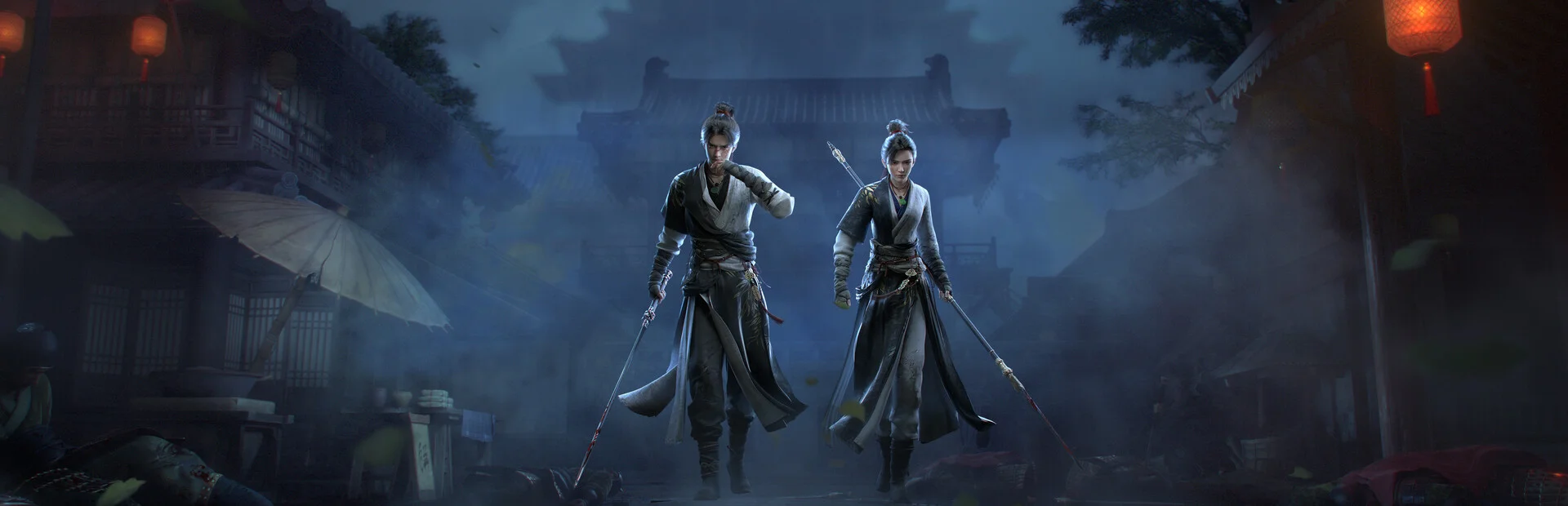
Where Winds Meet drops you into tenth-century China during the Five Dynasties and Ten Kingdoms — a fractured era after the Tang collapse, when northern dynasties rose and fell in quick succession and the Yan Yun borderlands were lost to the Liao. You roam as a wandering youxia through walled cities, hidden tombs, and martial sects, wielding swords, fans, umbrellas, and mystic arts like Tai Chi. The Chinese title Sixteen Sounds of Yanyun ties a lost region to an ancient musical system that blended court and folk tones. You don't need a dynasty chart to play, but knowing why Kaifeng feels both prosperous and decaying, what jianghu actually means, and how the game's regions echo real history will make every quest and faction choice land differently. Start with our primer series below.
A quick historical frame for Where Winds Meet — how China fractured after the Tang collapse, why Kaifeng keeps returning, and what 907–960 means for your wanderer.
The Chinese title ties a lost northern borderland to Wang Pu's sixteen-tone musical system — and the English name Where Winds Meet carries its own historical metaphor.
What jianghu and youxia mean in Where Winds Meet, how wuxia differs from Western fantasy open worlds, and why sects and professions are cultural ideas — not just game systems.
A living guide to what is documented Five Dynasties history, what is wuxia genre convention, and what is original game fiction — updated as expansions ship.
History books, wuxia novels, films, and museum resources for Where Winds Meet fans — Five Dynasties context, Kaifeng art, and martial-arts cinema.
Where Yan Yun sat on the map, why the 936 cession to the Liao mattered, and how a lost northern frontier still shapes the mood of Where Winds Meet.
Why Kaifeng dominated the Five Dynasties north, how Qingming scroll research shapes the in-game city, and what "prosperity beside decay" means for your wanderer.
How Qinghe's vanished xiake legends and Hexi's poetic dreamscape contrast Kaifeng — and why Hexi deliberately bends the Five Dynasties calendar.
How the Song dynasty rose in 960, reunified most of China, and why Yan Yun stayed lost — the historical horizon behind Where Winds Meet.
What martial sects mean in wuxia tradition, how Well of Heaven, Silver Needle, Midnight Blades, and Nine Mortal Ways remix orthodox and unorthodox codes — without the join walkthrough.
Why Where Winds Meet's weapon types — sword, spear, fan, umbrella, mo blade, rope dart — read as social costumes, and how mystic arts like Tai Chi sit between martial tradition and genre license.
How Healer and Scholar occupations let Where Winds Meet youxia solve problems with care and eloquence — travelling physicians, Gift of Gab debates, and soft power in a hard century.
Why Where Winds Meet multiplayer reads as living jianghu weather — co-op fellowship, PvP as 腥风血雨 "blood and rain," and social bonds beyond ranked ladders.
How Hong Kong martial-arts cinema — via Stephen Tung's mocap direction and Yuen Woo-ping's consultancy — gives Where Winds Meet its wire-work grammar, impact timing, and cinematic combat feel.
Searchable reference for Where Winds Meet — Five Dynasties history, Yan Yun, jianghu vocabulary, regions, and martial culture terms with Chinese characters and pinyin.
Living lookup (v0.1)—map Where Winds Meet places, titles, sects, weapons, and systems to documented history, wuxia genre, or game fiction with History / Genre / Fiction tags.
Editorial culture guides by Dragon Forge. Game names and trademarks belong to their respective owners; mythic source material is in the public domain.