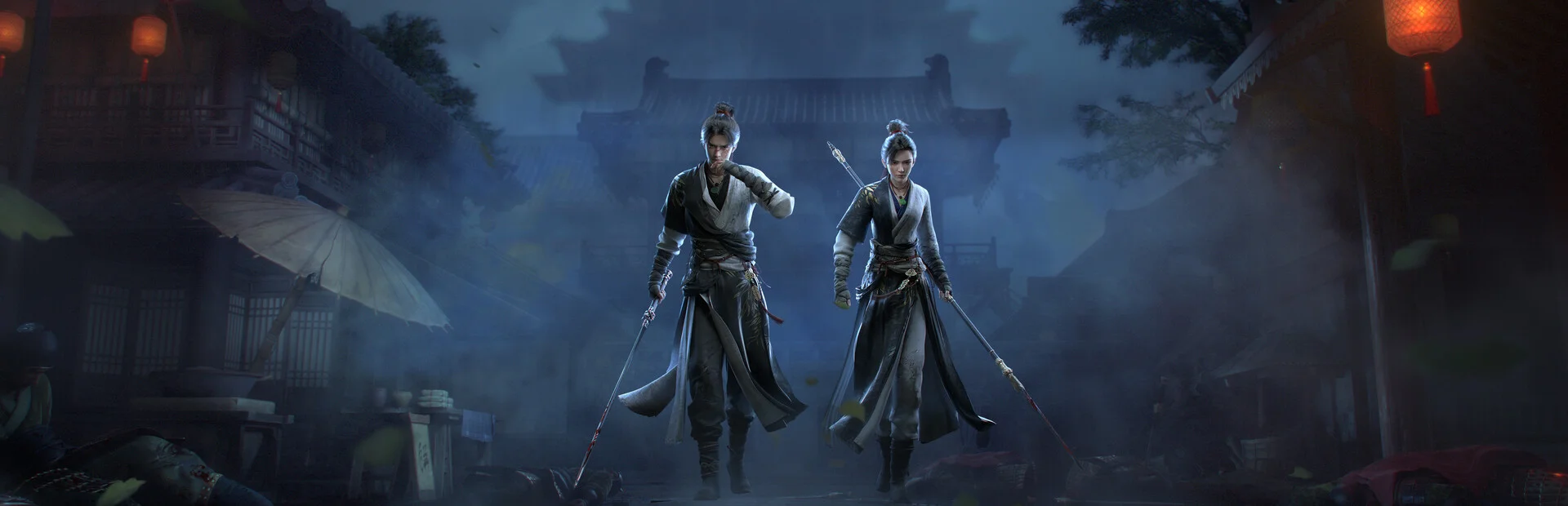
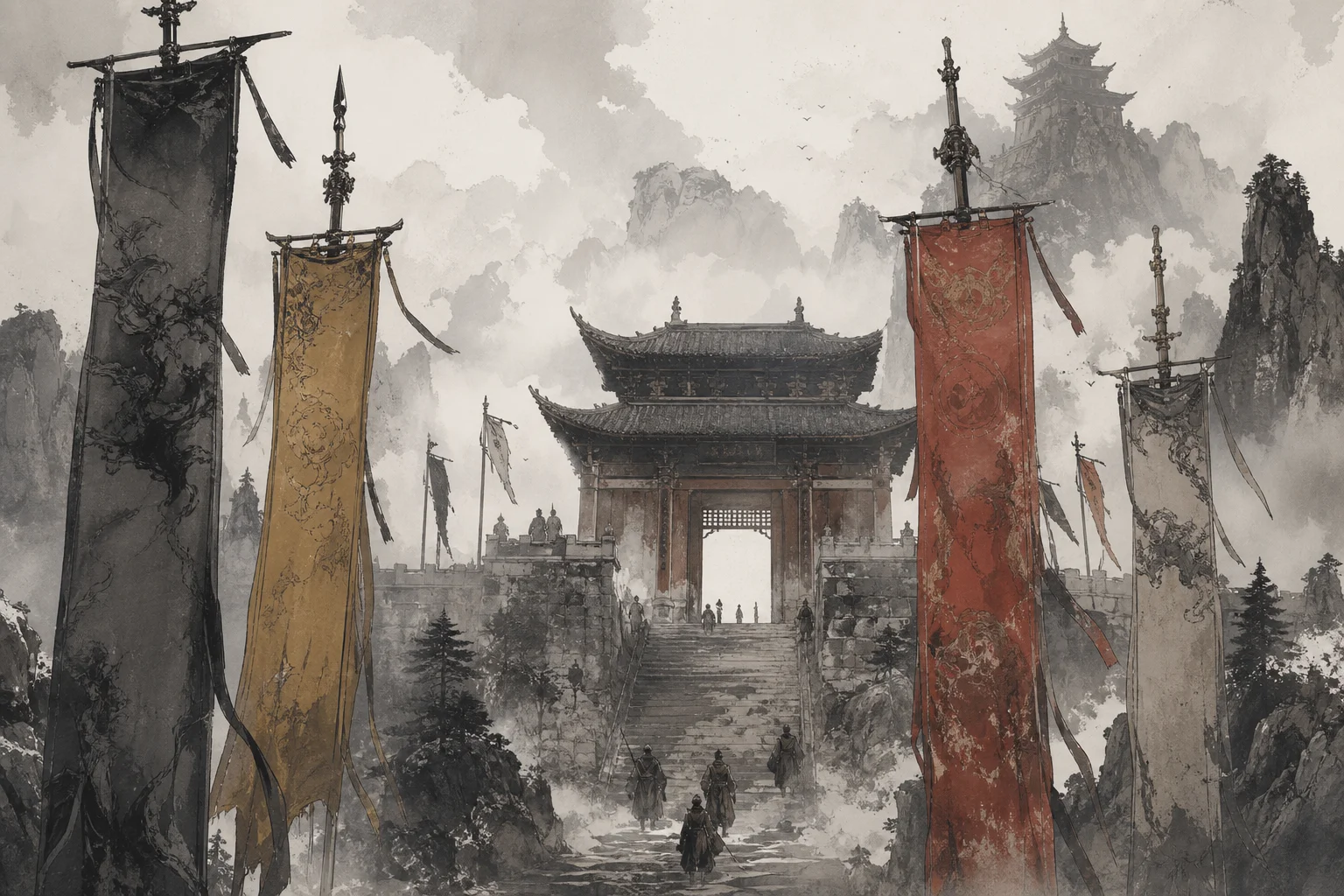
When Chinese players join Well of Heaven, Silver Needle, Midnight Blades, or Nine Mortal Ways in Where Winds Meet, they are not only unlocking cosmetics and martial arts. They are picking a code — a miniature moral costume for life in the jianghu (江湖). This article explains what martial sects mean in wuxia tradition, how Everstone's factions remix that grammar, and why choosing one feels like choosing a persona. It is not a join checklist or build guide — those belong to gameplay wikis.
Not a mechanics guide: Quest routes, weekly rules thresholds, and which ultimate to farm are left to walkthroughs. We stay on cultural meaning.
What a sect is (in fiction before the game)
A martial sect (门派, ménpài) is a school of combat and identity: teachers, manuals (秘籍), taboos, and a style that outsiders can recognize at a glance. In Jin Yong and Gu Long novels, joining a sect answers questions Western fantasy often answers with race or class:
- Who trained you? — lineage and technique names
- Whom must you never harm? — same-sect rules and sworn kinship
- What sins cost face? — greed, betrayal, killing without cause
- Who hates you before you speak? — orthodox vs unorthodox rivalries
Need the wider vocabulary? Start with our jianghu & youxia primer.
Four open doors (spoiler-light)
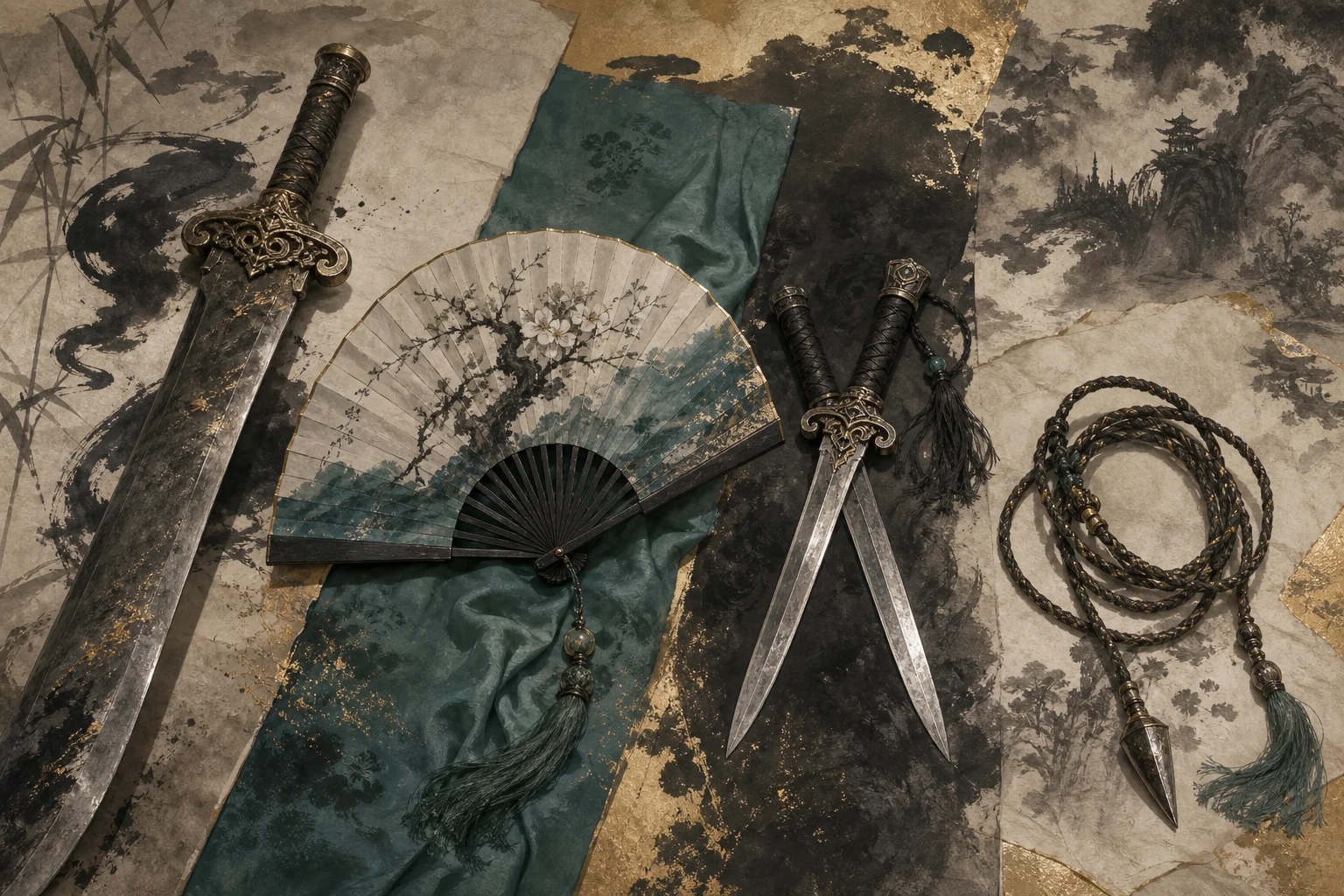
At global launch, four sects are publicly joinable. More names appear in UI/lore as future doors (Hollow Vale, Inkbound Order, and others). Treat the first four as the game's early map of moral weather in the jianghu:
| Sect (EN) | Tone | Cultural cousin | Signature art (public) |
|---|---|---|---|
| Well of Heaven | Righteous brotherhood | 侠义 (xiáyì) folk heroes — justice above corrupt law | Thundercry Blade |
| Silver Needle | Healers on the road | Wandering physician tradition — help as reputation | Panacea / Inkwell Fan |
| Midnight Blades | Assassins, Asura Path | Unorthodox / 魔道 flavors — violence as craft and creed | Infernal Twinblades |
| Nine Mortal Ways | Tricksters | Trickster-pilgrim lineage — wit over raw force | Mortal Rope Dart |
Well of Heaven — righteousness as gameplay rules
Public materials describe Well of Heaven disciples as believing in true justice unbound by corrupt authority — brotherhood first, excessive wealth frowned upon, same-sect violence taboo. That is classic xia packaging: the hero refuses both official corruption and private greed. In a fractured Five Dynasties century, such a sect reads as wish-fulfillment for people tired of warlords — a private court of honor when the public court fails.
Silver Needle — medicine as jianghu power
Healers walking the rivers-and-lakes world are an old trope: the doctor who saves bandits and victims alike, who learns secrets through wounds, who chooses mercy as strategy. Silver Needle leans support and co-op reputation — compassion is not soft flavor text; it is the sect's social currency. Fans and medicine together signal a different kind of weapon culture (explored further in the next article in this series).
Midnight Blades — the unorthodox shadow
Midnight Blades market themselves as killers walking an Asura Path — PvP-forward, karma for defeats, mercy discouraged. In wuxia grammar this sits nearer 邪道 / 魔道 (unorthodox / demonic paths): not always “evil for fun,” but a deliberate rejection of orthodox restraint. The cultural charge is that the jianghu has always contained schools that treat blood as teaching — and courts call them monsters while pubs call them inevitable.
Light spoiler warning: Choosing Midnight Blades signals a willingness to hunt other players as identity. That is a social contract more than a lore lecture — treat other wanderers as part of the rivers-and-lakes ecosystem.
Nine Mortal Ways — trickster Confucianism, then inverted
Trickster sects inherit Chinese storytelling stock: fox spirits, theater clowns, bandits who lecture hypocrites. Nine Mortal Ways packages mischief and unconventional tactics — rope dart as a playful, dangerous grammar. Where Well of Heaven says “be righteous,” Nine Mortal Ways often says “righteousness is a costume; stay witty.” Both are still codes — they just punish different sins.
Orthodox and unorthodox — the spectrum that still matters
Novelists often paint a spectrum from 名门正派 (famous orthodox schools) to 旁门左道 (side doors / crooked paths). Everstone does not force a Mandarin lecture, but the four open sects still sketch that axis:
Orthodox-flavored
Well of Heaven · Silver Needle — public virtue, brotherhood, healing, restraint on wealth or harm
Unorthodox-flavored
Midnight Blades · Nine Mortal Ways — violence, trickery, play with moral furniture
One at a time
Historically, dual membership was rare; the game mirrors that exclusivity even when players swap for martial arts
Your youxia can still help a village while wearing an assassin's colours — fiction always allowed hypocrites and saints inside every robe. The sect chooses the default story society tells about you.
Sect as identity vs guild as team
Western players often map sects onto “guilds.” Keep the distinction:
- Sect — martial school and moral brand (tradition, rules, signature art)
- Player guild / clan — social org for co-op, raids, friends (game systems)
You can share a guild with people from rival codes. You cannot (in tradition) honestly belong to two antagonistic schools at once without becoming a plot twist. That tension is where story interest lives.
History vs genre vs game fiction
| Layer | What belongs there |
|---|---|
| Documented history | Real Tang–Song societies had temples, brotherhoods, escort firms — not these branded fantasy sects |
| Wuxia genre | Sect loyalty, manuals, orthodox/unorthodox rivalry, travelling physicians and killers |
| Game fiction | Named factions, weekly rule loops, unlockable ultimates, future locked schools |
Use our living doc whenever a sect quest feels “historical” — usually you are tasting genre first.
Read next in Phase 3
- Swords, Fans, Umbrellas & Tai Chi — why weapon types carry cultural theatre
- Professions & Life Paths — life beyond sect robes
- Glossary — quick entries for Well of Heaven and friends
Dragon Forge Culture is editorial — not affiliated with NetEase or Everstone Studio. Sect names follow global English client localization; availability changes with patches.