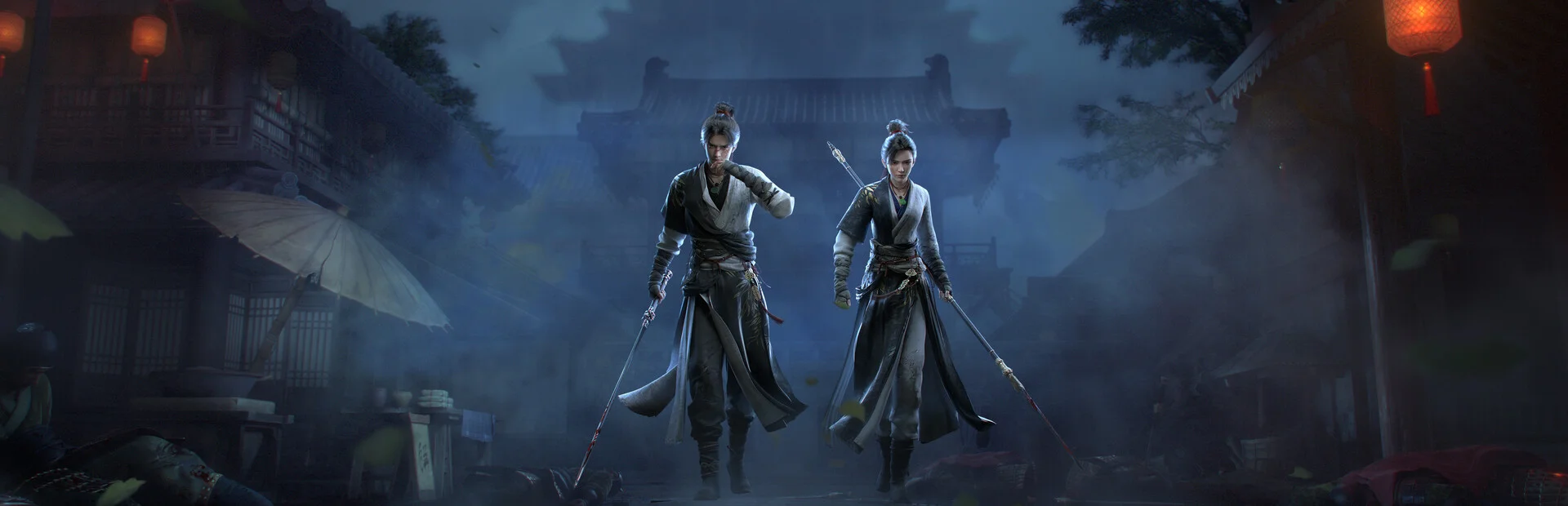
Open your weapon wheel in Where Winds Meet and you will see more than steel. Swords, spears, dual blades, mo blades, fans, umbrellas, and rope darts each carry centuries of Chinese storytelling about who fights how — and why that style signals character. On top of that sit mystic arts (奇术, qíshù), including early-game Tai Chi (太极) throws that treat soft force as puzzle language. This article reads combat as cultural theatre, not as a damage spreadsheet.
Not a unlock or DPS guide: Sanctums, Skill Theft, and optimal dual-wield pairs belong to gameplay resources. Here we ask why these props feel “right” on a youxia.
Weapon as social costume
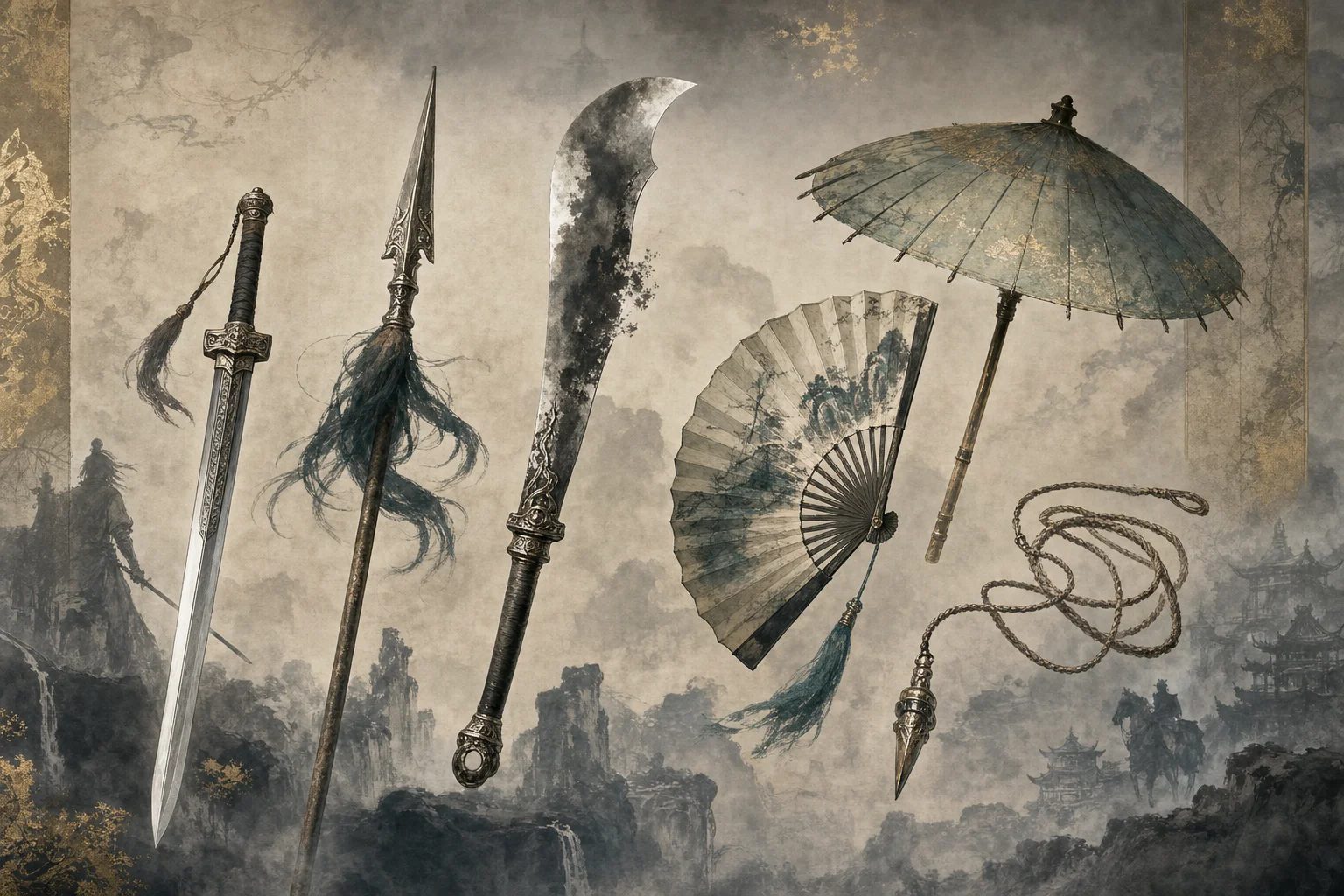
Wuxia cinema and novels train audiences to read weapons before dialogue: a scholar with a folding fan may still be the deadliest person at the banquet; a heavy blade telegraphers military muscle; an umbrella can hide needles, rain, or healing light. Everstone leans into that literacy — each weapon type maps onto a recognizable fighting personality, then branches into Martial Arts with different skill flavours.
You equip two weapons at once. Culturally that echoes the genre habit of versatile heroes who carry a “honest” tool and a “clever” tool — steel and wit on the same belt.
The arsenal as a cultural map
| Weapon type | Chinese cue | Cultural flavour | In-game example arts (public) |
|---|---|---|---|
| Sword | 剑 jiàn | Gentleman-warrior ideal; precision and fame | Nameless Sword, Strategic Sword |
| Spear | 枪 / 矛 | Battlefield discipline; reach and formation memory | Nameless Spear, Heavenquaker, Stormbreaker |
| Dual blades | 双刀 | Speed, aggression, assassin kinetic language | Infernal Twinblades (Midnight Blades) |
| Mo blade | 陌刀 mò dāo | Heavy Tang infantry blade — decisive cuts, raw power | Thundercry Blade (Well of Heaven) |
| Fan | 扇 | Scholar / physician elegance; support and wind control | Panacea Fan, Inkwell Fan (Silver Needle) |
| Umbrella | 伞 | Martial arts cinema chic; heal or control under cover | Soulshade, Vernal / Ninefold styles |
| Rope dart | 绳镖 | Trickster reach; soft weapon of street and stage | Mortal Rope Dart (Nine Mortal Ways) |
Notice how sect identities from our sects primer bind to weapons: righteous heavy blade, healer fans, assassin twinblades, trickster rope dart. The object is the code made visible.
Sword and spear — the “orthodox” spine
The jian (straight sword) has long been the romantic hero's signature in literature — elegance over cleaving brutality. Spears carry the opposite cultural weight: drilling yards, frontier posts, and generals measuring courage in thrust and distance. Starting with Nameless Sword / Nameless Spear lets new players taste both poles before branching into fan-and-umbrella theatre.
That pairing is historically fuzzy (real soldiers used whatever worked) but narratively clear: sword = personal legend; spear = martial institution.
Mo blade — a real name with game exaggeration
The mo blade (陌刀) appears in Tang military sources as a long, heavy infantry blade — associated with elite troopers and shocking power. Games and films often enlarge it into a fantasy slab. When Well of Heaven’s Thundercry Blade fills that slot, the culture cue is simple: this is not a salon toy; it is a public, noisy righteousness.
Layer check: Historical mo dao ≠ one named skill tree. Genre and game fiction stretch the silhouette for readability in third-person combat.
Fan and umbrella — soft weapons, hard etiquette
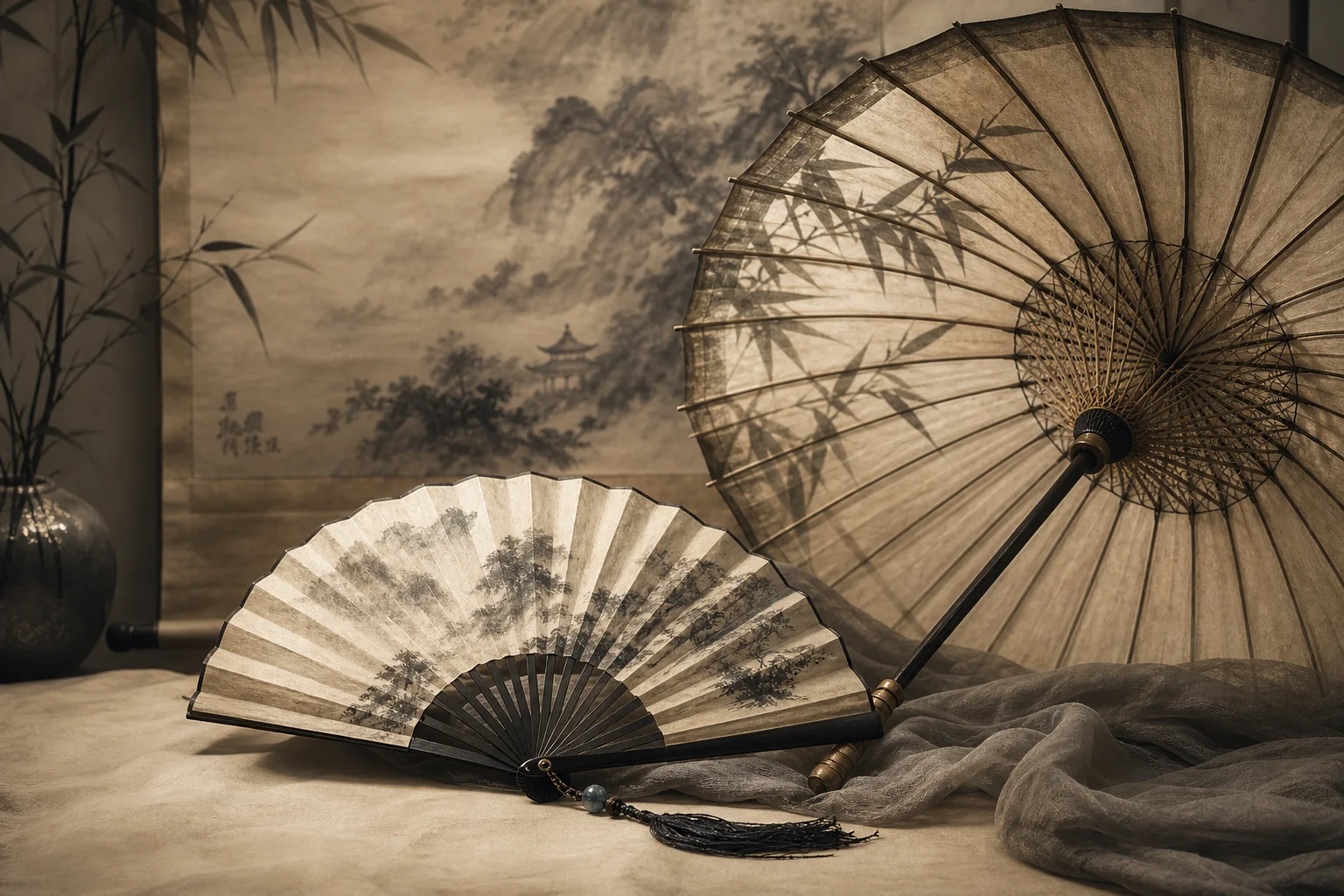
Folding fans and oil-paper umbrellas are everyday props that wuxia cinema weaponized for decades: open a fan and the room freezes; tilt an umbrella and rain becomes cover for a kill — or a heal. In Chinese visual language, that blend of civil elegance (文) and martial force (武) is the punchline.
- Fans → physician / scholar energy (Silver Needle's Panacea and Inkwell arts)
- Umbrellas → support turrets or flashy control, depending on Martial Art
Overseas players sometimes ask: “Is the umbrella a joke weapon?” Chinese audiences usually answer: “No — it is cool, and coolness has moral signalling here.”
Mystic arts and Tai Chi — soft force as grammar
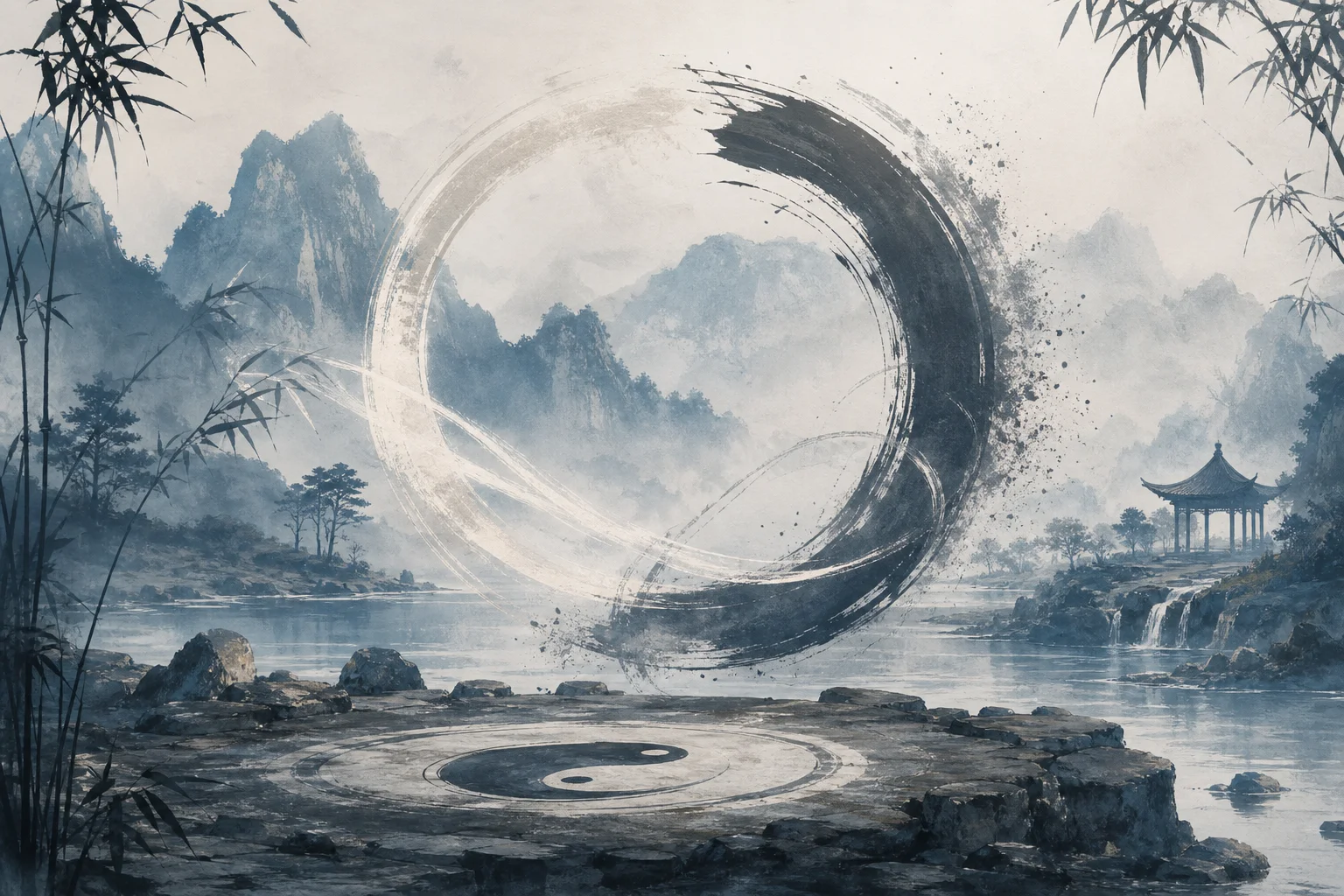
Beyond Martial Arts tied to weapons, Where Winds Meet offers mystic arts for combat and exploration — throw, stealth, environmental puzzles, movement. Early-game Tai Chi is the poster child: redirect force, tip enemies, interact with the world in ways that feel borrowed from soft styles (柔) rather than hard strikes (刚).
Important boundary for this Culture hub:
- Documented practice: Taijiquan as modern martial/health system; classic soft/hard ideas older still
- Wuxia genre: Qi tricks, feather-light steps, throwing enemies like cinema wire-work
- Game fiction: named skills that rip beehives or flip soldiers — delightful exaggeration
When a mystic art feels magical, you are usually seeing layers two and three. See our living doc.
Deflect, dodge, colour telegraphs — cinema grammar
Combat feedback with coloured uncancellable strikes and parry windows is modern ARPG design, but the fantasy it sells matches Hong Kong wuxia film: listen, watch the tell, answer with timing. Everstone brought in choreographers such as Stephen Tung and Yuen Woo-ping precisely so these systems would feel like martial cinema, not button mash. That pipeline is unpacked in Yuen Woo-ping, Stephen Tung & Wuxia on Screen.
How to read your loadout culturally
Ask
What does this prop say?
Sword fame, spear discipline, fan mercy, umbrella theatricality, rope dart mischief — pick an identity before picking an DPS number.
Pair
Two weapons, one story
Dual-wield slots let you mix codes — healer fan with assassin blades is a classic “contradiction character” build in fiction.
Layer
Mystic arts on top
Soft throws and stealth expand the youxia beyond weapon trees into environmental jianghu craft.
Read next
- Yuen Woo-ping, Stephen Tung & Wuxia on Screen — cinema grammar behind the hits
- Martial Sects — codes that bind to these weapons
- Professions & Life Paths — living beyond the duel
- Glossary — Tai Chi, Mo blade, Mystic arts
Dragon Forge Culture is editorial — not affiliated with NetEase or Everstone Studio. Martial Art names follow global English localization and may expand with patches.