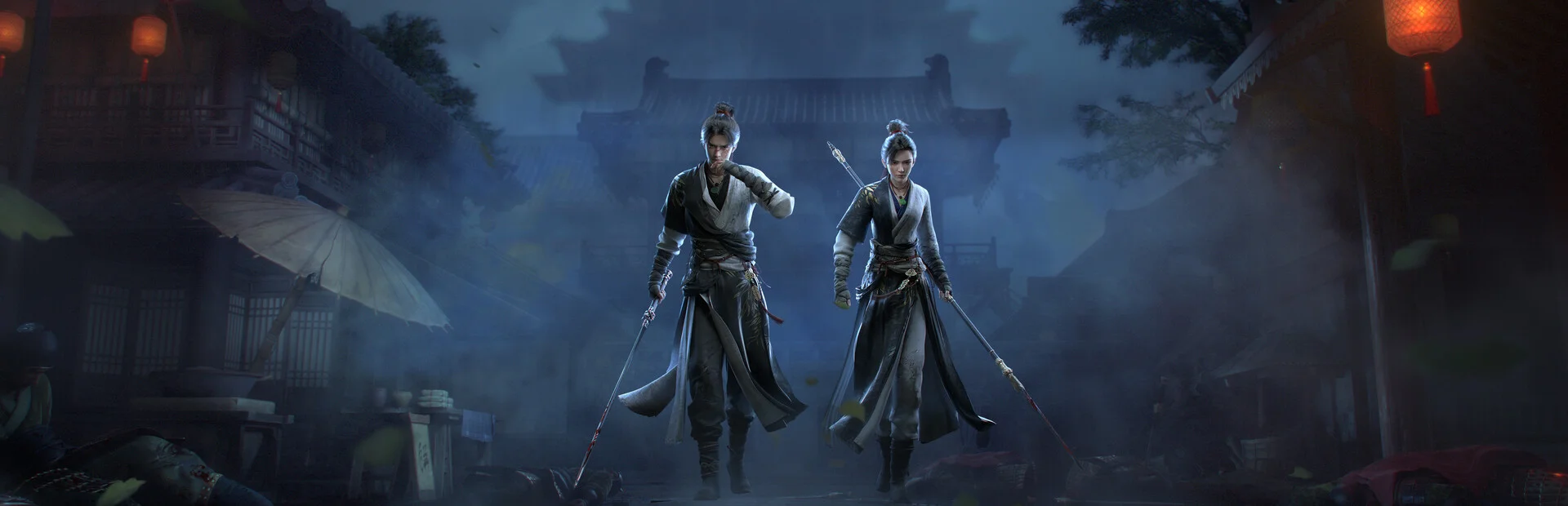
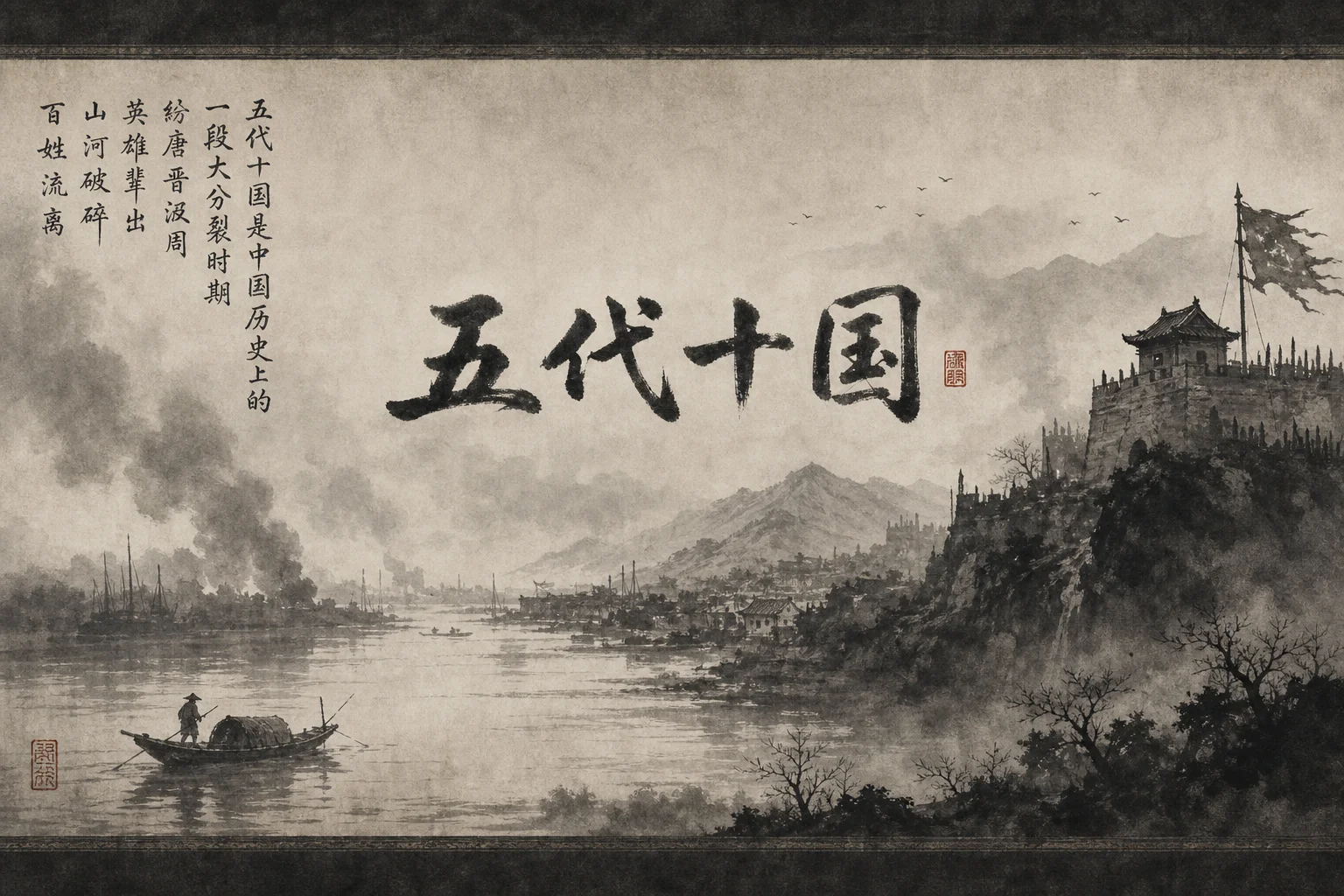
Where Winds Meet (燕云十六声, Yànyún Shíliù Shēng) is set in tenth-century China during the Five Dynasties and Ten Kingdoms period (五代十国, Wǔdài Shíguó) — roughly 907 to 960 AD. If you have only heard of the Tang (唐诗) or the Song (宋词), this fifty-year fracture can feel like a blank page. It is not. The era is short, violent, and culturally rich — and Everstone Studio chose it deliberately as the soil for an open-world wuxia RPG. This ten-minute primer gives you the historical frame before you worry about sects, weapons, or the meaning of “sixteen sounds.”
What broke, and when
For three centuries the Tang dynasty (618–907) had held much of China together — cosmopolitan cities, poetry, Silk Road trade, and a military frontier stretched thin by the end. When the last Tang emperor was forced to abdicate in 907, power did not pass cleanly to one successor. Instead, the map shattered.
Five Dynasties
Five successive regimes in north China (Later Liang → Later Tang → Later Jin → Later Han → Later Zhou), each often founded by a military governor who seized the throne
Ten Kingdoms
Multiple regional states — especially in the south — existing at the same time (Wu, Southern Tang, Former Shu, Later Shu, Min, Chu, Wuyue, Southern Han, Northern Han, Nanping, and others in various lists)
The game's window
Late Five Dynasties into the birth of the Song (960) — a moment when borders, loyalties, and capitals were still in flux
Encyclopedias often summarize the period as “political upheaval after the Tang collapse.” For players, the useful image is simpler: no single emperor commands the whole map, frontier generals hold real power, and cities can be magnificent while the countryside bleeds. That is the world your wanderer walks through.
A compressed timeline (player-friendly)
| Approx. date | What happened | Why it matters for context |
|---|---|---|
| 907 | Tang falls; Later Liang founded in the north | Start of the “Five Dynasties” label — regimes rotate quickly |
| 936 | Later Jin ruler cedes the Yan Yun Sixteen Prefectures to the Liao (Khitan) empire | Central to the game's Chinese title — see our title primer |
| 951–960 | Later Zhou — last of the Five Dynasties; court reforms and cultural projects | Wang Pu's musical treatise Lüzhun (律准) and the “sixteen sounds” metaphor originate here |
| 960 | Song founded by Zhao Kuangyin; gradual reunification | The “winds meet” metaphor — many paths converging after chaos |
Not a history exam: You do not need to memorize every kingdom name to enjoy the game. Keep three anchors: Tang just fell, the north keeps changing hands, the Song reunification is on the horizon.
Why this era for a wuxia open world?
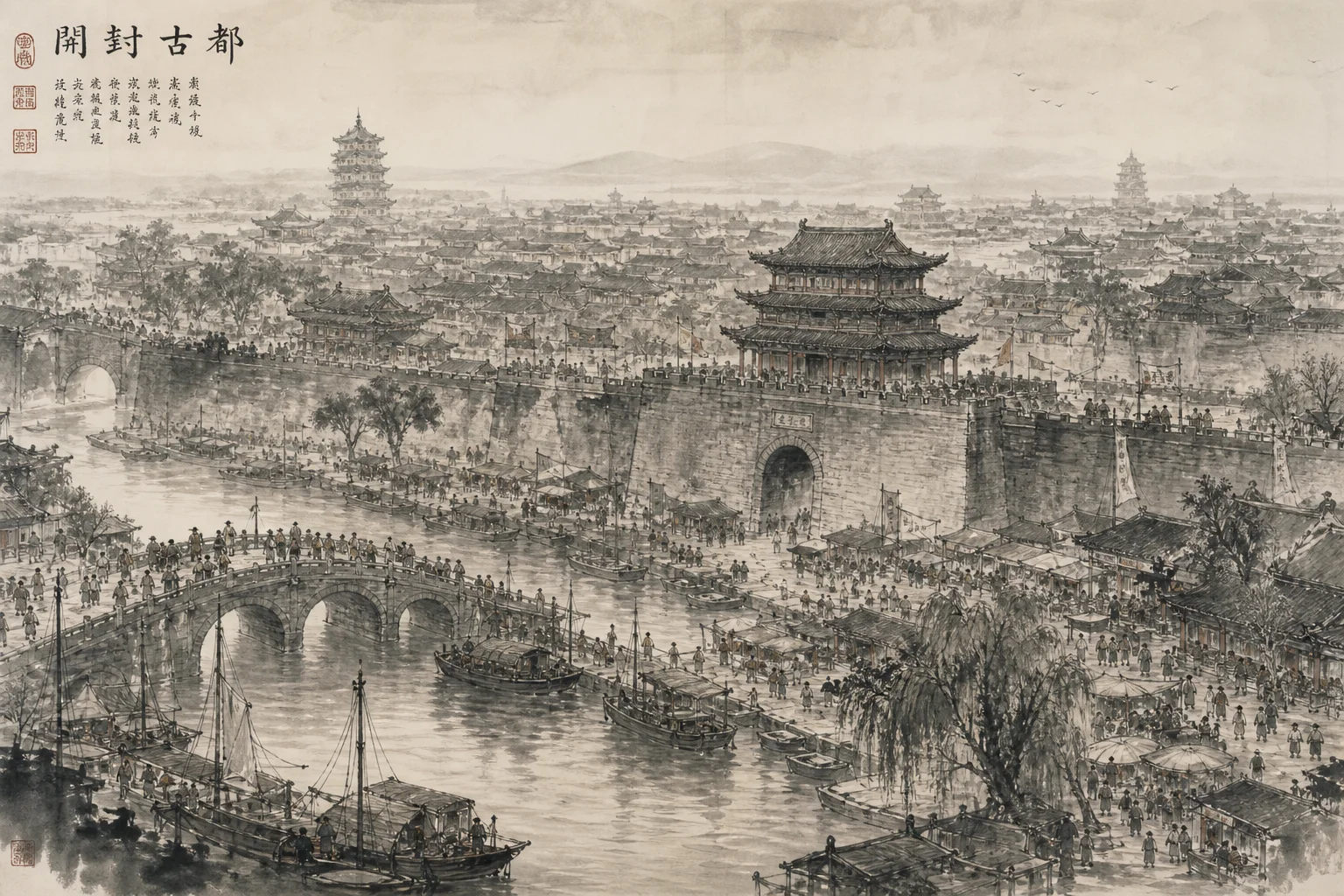
Wuxia fiction loves broken times: when official law is weak, wandering swordsmen, sects, and local strongmen fill the gap. The Five Dynasties offer that instability with documentary grounding — real capitals (especially Kaifeng), real border crises (especially the north), and real cultural continuity from Tang poetry and art into Song urban life.
Everstone's team has cited paintings like Along the River During the Qingming Festival (清明上河图) and The Night Revels of Han Xizai (韩熙载夜宴图) as visual research — works associated with the broader late-Tang-to-Song transition even when the game's calendar stays in the tenth century. The result is not a lecture, but you will feel why the streets look “Song-ish” while the politics still smell of collapse.
North vs south (one map, two rhythms)
- North: dynasties swap fast; armies and frontier cessions matter; Kaifeng keeps reappearing as a power center
- South: some kingdoms last longer; trade and culture flourish even while borders shift
- Between: refugees, merchants, monks, and martial artists move — the social world Chinese fiction calls jianghu (江湖)
Your character is a youxia (游侠) — a wandering adventurer in the wuxia tradition, not a named emperor from a textbook. The history sets the weather; your story is still fiction.
What to read next on this hub
Title deep-dive
Sixteen Sounds of Yanyun
The Chinese name ties a lost borderland to a sixteen-tone musical system — the game's most distinctive cultural hook. Why “Sixteen Sounds of Yanyun”?
Genre layer
Jianghu & youxia
History explains the map; wuxia explains the social rules — sects, grudges, and martial honor. Jianghu, Youxia & the Wuxia World
Quick lookup
Glossary
Dynasty names, place names, and pinyin in one searchable table. Glossary: Names, Terms & Translations
Further reading (English)
- Britannica: “Five Dynasties” and “Ten Kingdoms” entries — concise overviews
- The Cambridge History of China, Vol. 5, Part 1 — academic but authoritative on the period
- Weak link: our Blood Message hub covers late Tang border politics — a different game and century, but useful Tang-collapse context
Dragon Forge Culture is editorial — not affiliated with NetEase or Everstone Studio. Historical summaries simplify; see our living doc for game-vs-history boundaries.