Review info: Version 1.0.12 (June 2026 patch) · PC (Steam, RTX 4070 / Ryzen 7 7700) + PS5 · ~45 hours played · Light spoilers (chapter names only)
Read this first: New to the myth? Start with our Journey to the West in 10 Minutes. Curious how the game rewrites the novel? See How Black Myth Reimagines the Novel.
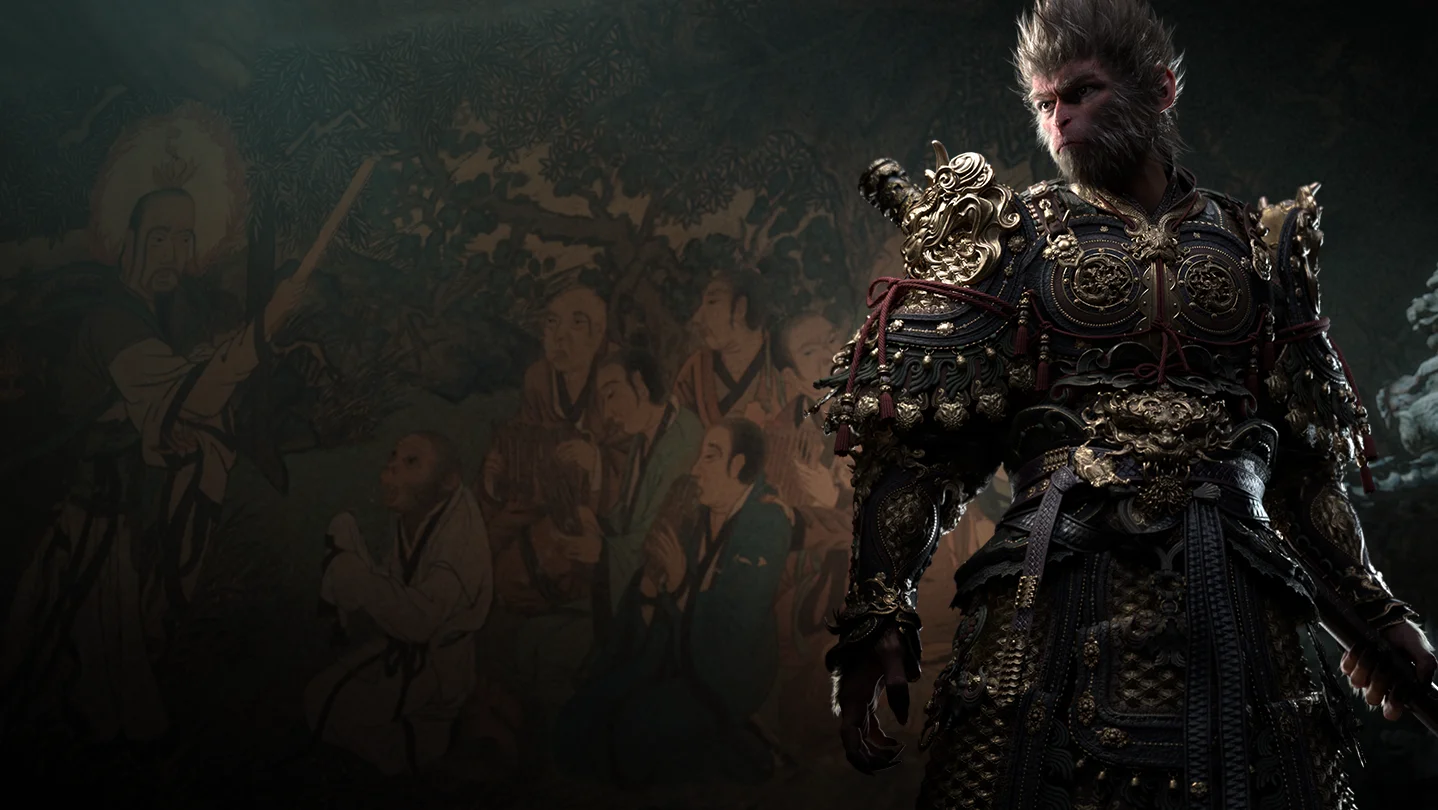
When Black Myth: Wukong launched in August 2024, Game Science carried six years of trailer hype on its back — and for once, much of that hype landed. You play the Destined One, a monkey warrior retracing Sun Wukong's path through a dark-fantasy retelling of Journey to the West. This is not Sekiro, not God of War, and not an interconnected FromSoftware map. It is closer to a boss-forward action RPG: explore a chapter, farm spirits and materials, unlock spells and transformations, then survive set-piece fights that justify the price of admission on their own. The question eighteen months later is not whether Wukong looks incredible — it obviously does — but whether the exploration friction and PC performance caveats should change where, and when, you buy.
The Destined One Arrives, Six Years Later
Game Science began as a mobile studio in Hangzhou. Black Myth: Wukong is their first premium single-player AAA pivot — built on Unreal Engine 5, funded without a Western publisher, and sold globally day one on Steam, PlayStation, Xbox, and WeGame. Western players arrived with action-game expectations shaped by FromSoftware and Sony exclusives. Wukong shares surface DNA — stamina management, checkpoint shrines, punishing bosses — but its structure is linear chapters with hub-like branches, not a single open web of shortcuts.
Combat is real-time and aggressive. Exploration rewards curiosity but rarely holds your hand. If you wanted a mythic Elden Ring, reset now. If you wanted a visually lavish pilgrimage through Chinese folklore with fights that could headline other games' finales, you are in the right temple. For the literary frame behind the pilgrimage, our Culture primer series covers what the game assumes — this review focuses on whether it plays as well as it presents.
From Mobile MMO to Mythic Blockbuster
Before Wukong, Game Science shipped mobile titles including Art of War: Red Tides and the card battler 100 Heroes (百将行). The 2020 gameplay reveal went viral; the studio spent the next four years scaling art pipelines, motion capture, and localization for a global launch on August 20, 2024. By mid-2026 the game sits at version 1.0.12 with multiple balance passes, crash fixes, and PC optimization patches — meaning launch-week horror stories are real but no longer the whole story.
We tested on PC (Steam app 2358720) with a Ryzen 7 7700, 32 GB RAM, and an RTX 4070 at 1440p, plus roughly 15 hours on a standard PS5 in Performance mode. Copy was self-purchased on both platforms; no review code was provided by the publisher. Premium pricing holds at $59.99 / ¥268 on Steam — no season pass, no cosmetic shop, no premium currency. Store links for every platform live on the Game Hub.
Staff, Spells, and Transformation
Wukong's daily loop is straightforward once the tutorials end: enter a chapter → explore side paths → collect Will and crafting materials → upgrade at a Keeper's Shrine → push the main gate boss. Shrines act as checkpoints and fast-travel anchors. Death returns you to the last shrine with minor resource loss — enough to sting, not enough to rage-quit a session.
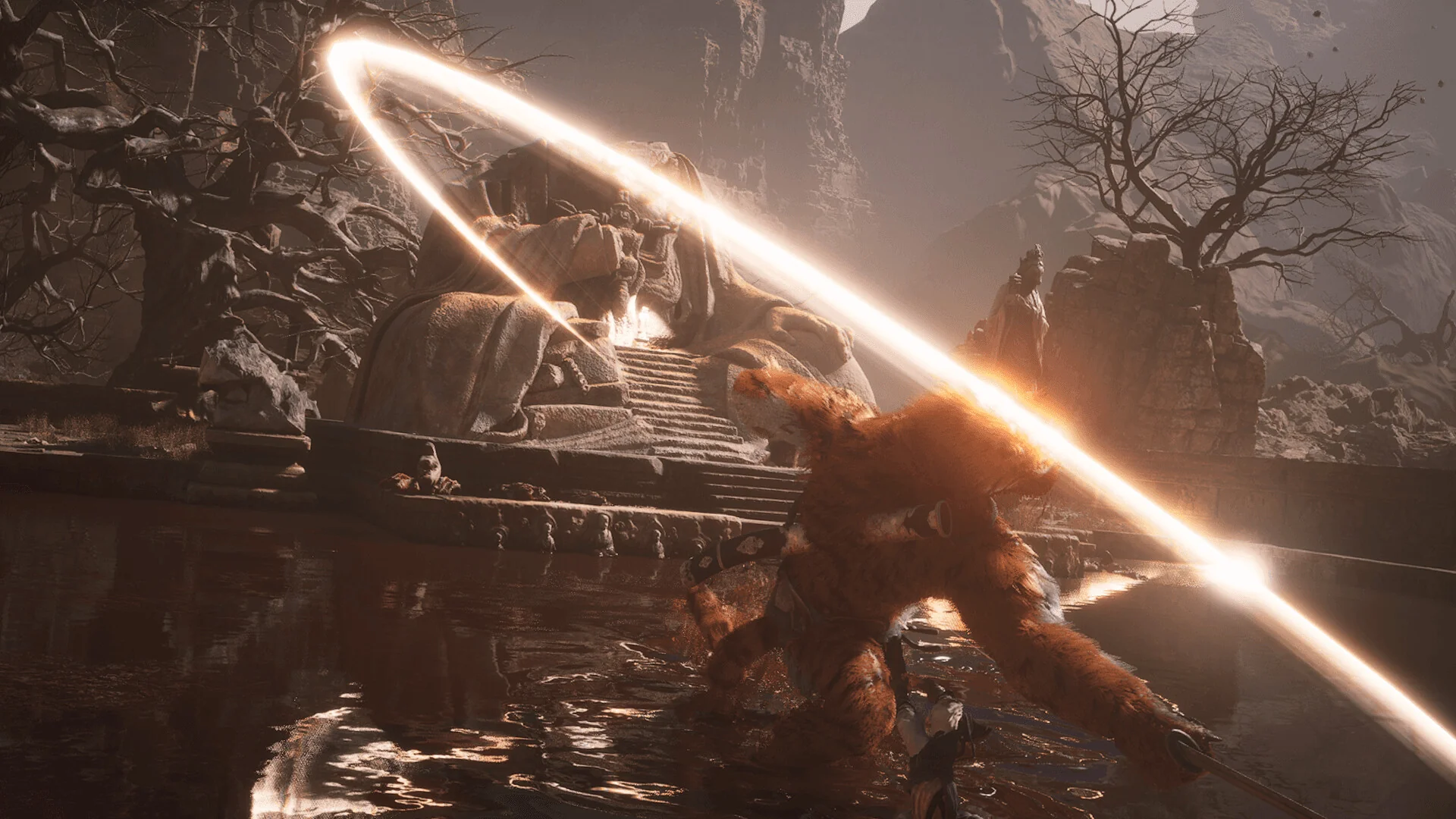
The Ruyi staff supports three combat stances: Smash (wide sweeps), Pillar (elevated strikes and reach), and Thrust (precise punctures). Light and heavy chains differ per stance; a charged heavy can interrupt slower enemy wind-ups if you read the telegraph correctly. Spells — Immobilize, A Pluck of Many, cloud-step variants — add tactical pauses and burst windows without turning fights into turn-based puzzles. For weapon lore, see our Ruyi Jingu Bang culture piece; here the verdict is mechanical: readable, deep, and worth labbing in the training area.
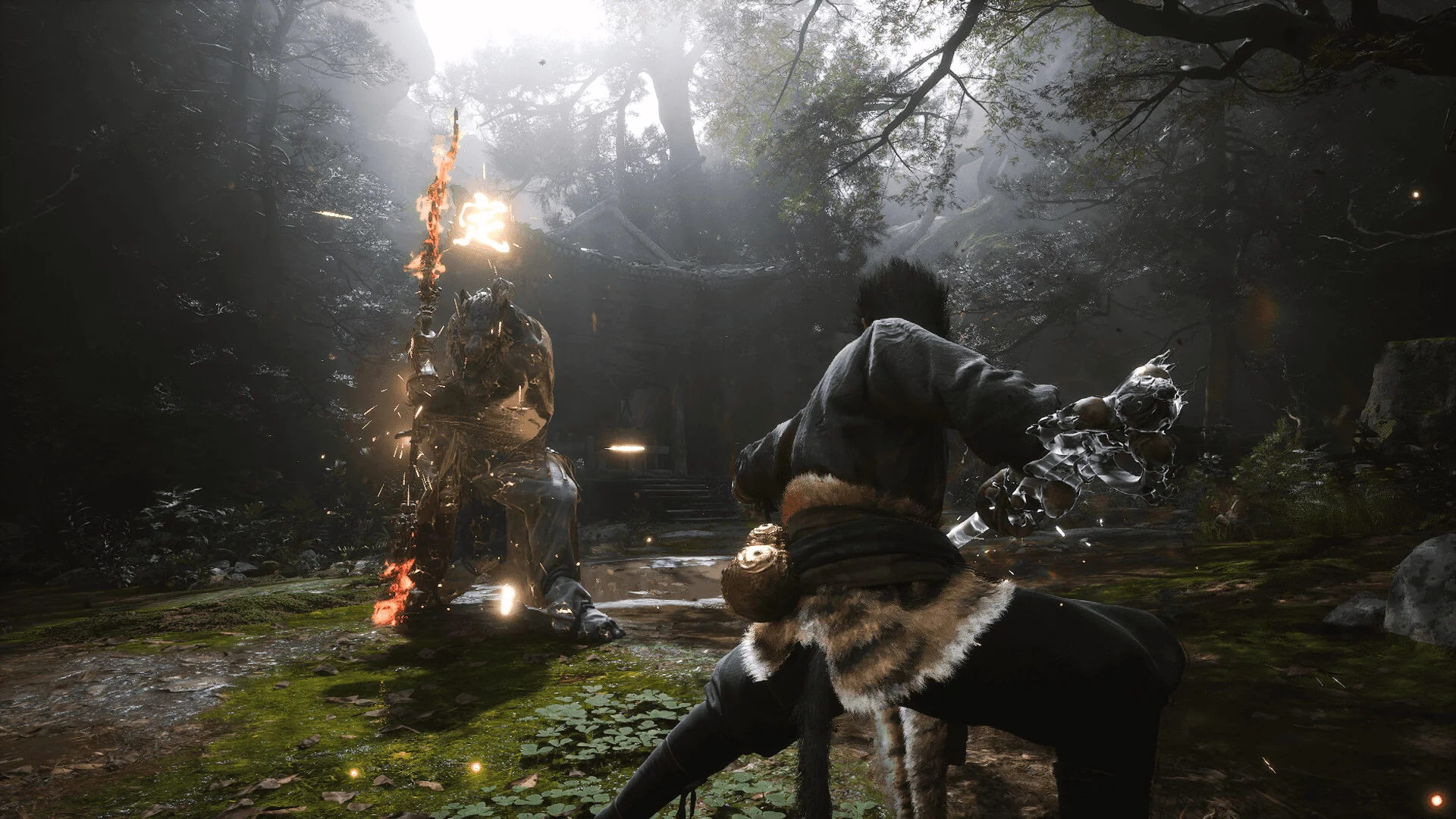
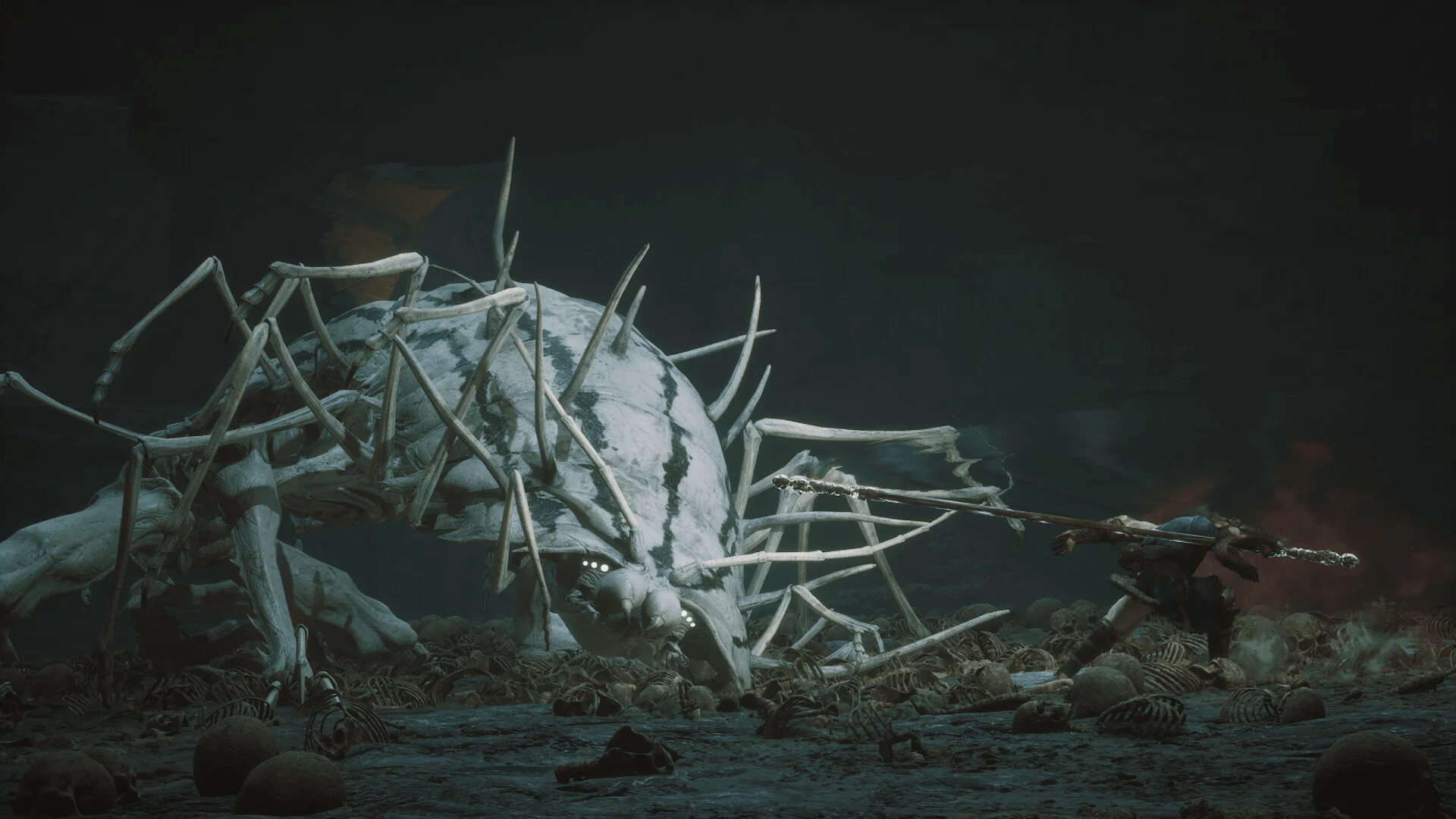
Transformations are the other half of the build game. Absorb certain yaoguai spirits and you can morph mid-fight, trading staff combos for beast-specific kits with their own health pools and cooldowns. Used well, they act as practice wheels for punishing patterns; used lazily, they become crutches that hide bad stamina discipline. We are not listing individual boss names or phase breakdowns here — spoiler policy stays light — but the high-level truth holds across the campaign: major fights are multi-phase exams with unique arenas, and most are excellent.
Progression stays lean: sparks (skill points), stat pills, armor crafting, and spirit passive bonuses. You will not build a mage or a tank archetype — Wukong is always a martial protagonist with spell support. That conservatism keeps balance tight but limits replay build fantasy compared to pure RPGs. Difficulty options are minimal; accessibility toggles are sparse. Action newcomers should expect to learn through repetition, not sliders.
Fragments of a Fallen Legend
Narratively, you are not Sun Wukong — you are a successor tracing his collapse. Chapters unfold as self-contained regions — early forest temples, wind-scoured highlands, frost-bound monasteries — each with its own environmental story and optional side content. We will name regions like Black Wind Mountain and Yellow Wind Ridge because they appear on marketing materials, but we will not spoil who you fight, who dies, or how the ending reframes the novel. For episode-level lore with heavier spoilers, see Culture's Iconic Episodes article (marked major spoilers).
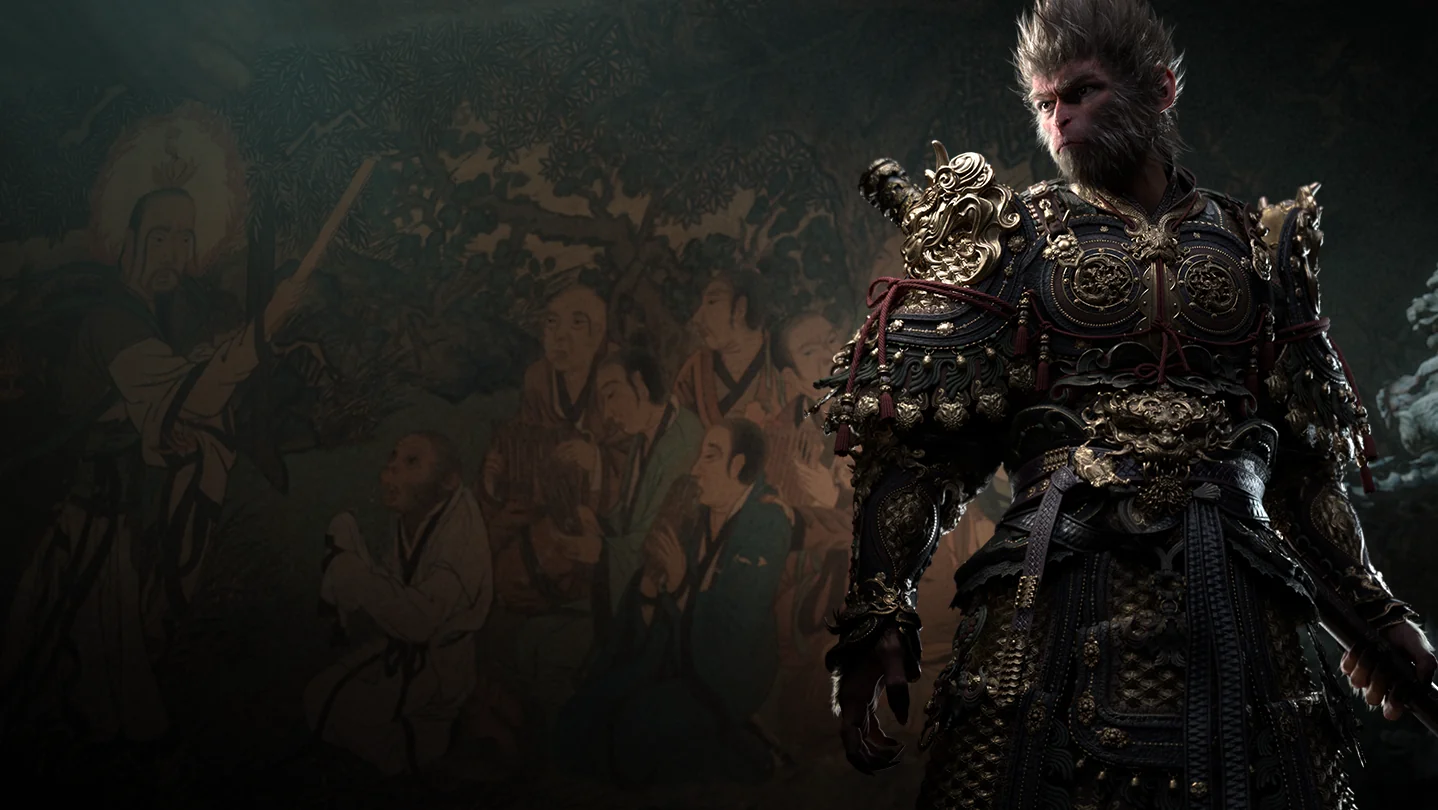
The writing lands best in short poetic vignettes and boss introductions. Hub NPCs and optional quest givers speak in fragments; many side arcs resolve in a single line of dialogue after a fight you may not realize was narrative at all. Players who want a Mass Effect dialogue tree will feel underserved. Players who treat the game as an interactive myth — where meaning accumulates through imagery, item descriptions, and chapter transitions — will find plenty to chew on. How much you get from the plot correlates with how much you read outside the game; our adaptation explainer and Sun Wukong origins piece exist for that second pass, not as homework before hour one.
Scanning History Into Pixels
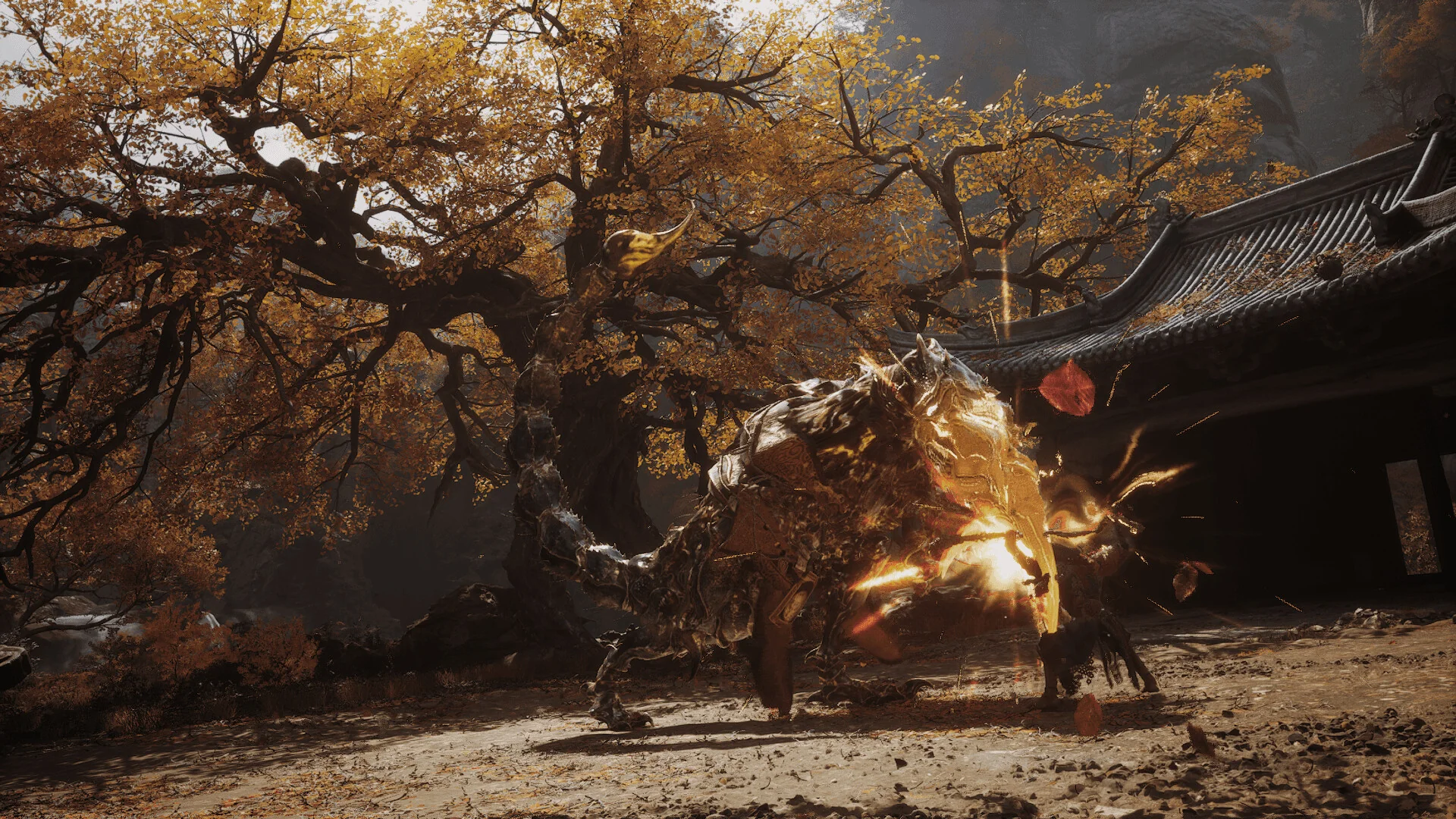
Game Science's art team scanned real temples, statues, and landscapes across China, then rebuilt them inside UE5 with aggressive creature design and particle-heavy combat VFX. The result is one of the most distinctive visual identities in the current generation — neither generic fantasy brown nor neon cyber-wuxia, but liturgical horror meets folk painting.
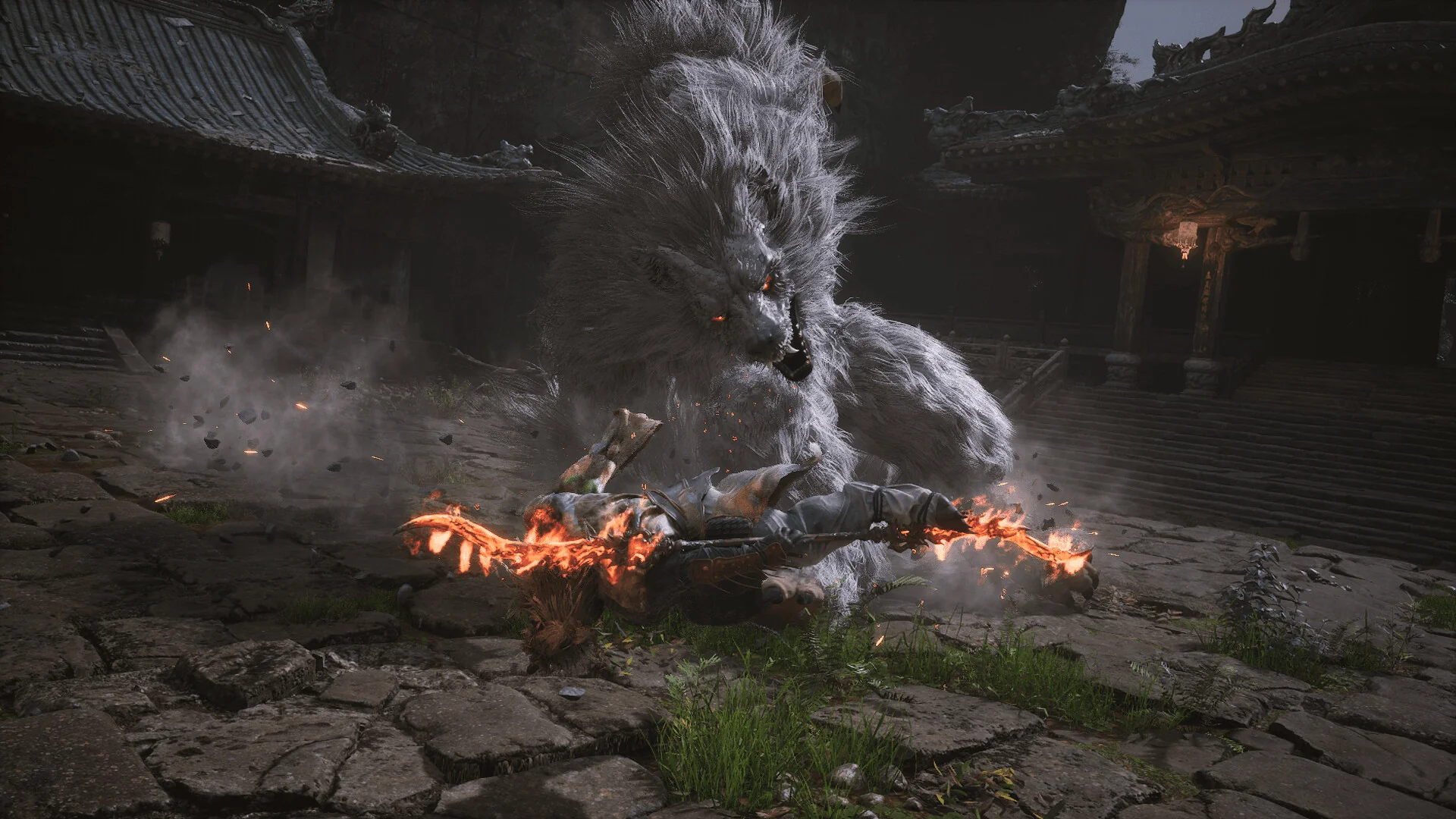
Character models — especially yaoguai — combine grotesque anatomy with costume detail that rewards photo mode. Boss scale varies from human-sized duels to sky-filling calamities, and the camera rarely loses readability despite the chaos. Audio matches the ambition: percussion-forward combat mixes, regional instrumentation in exploration, and English voice acting that is serviceable if not benchmark-setting. Chinese VO remains the reference performance; English is fully playable for story comprehension. For the mythic taxonomy behind the creature roster, our yaoguai explainer goes deeper than this review needs.
PC vs PS5: Where to Play
Performance is the purchase decision fork. Wukong on PC can look better than console; PS5 is the safer bet for stable frame times and plug-and-play controller features. We re-tested after patch 1.0.12 (June 2026) on both platforms.
PC vs PS5 at a glance
Frame rate: PC (RTX 4070, 1440p, High) averaged high 50s–60 fps with occasional drops in dense foliage; PS5 Performance mode held a steadier 60 fps at lower internal resolution.
Ray tracing / max settings: Full RT Ultra on PC demands RTX 4080-class hardware; PS5 has no equivalent PC Ultra preset but looks excellent in its balanced modes.
Loading: NVMe SSD on PC keeps shrine reloads under two seconds; PS5 SSD is comparably fast.
Input: PC supports keyboard and mouse cleanly; PS5 DualSense haptics and adaptive triggers add punch to charged heavies and spell cues.
Known issues: PC still hitches during first-run shader compilation and in certain waterfall-heavy scenes; PS5 saw early crash reports that patch 1.0.x largely addressed.
Minimum practical PC spec (1080p / 30 fps, Low–Medium): GTX 1060 6 GB or RX 580, Ryzen 5 1600 / i5-8400, 16 GB RAM, 130 GB SSD. Steam's official minimum matches this; treat it as a floor, not a comfort target.
Recommended PC spec (1440p / 60 fps, High): RTX 4060 Ti or RX 7700 XT, Ryzen 5 7600 / i5-13400, 16 GB RAM, NVMe SSD. Our RTX 4070 rig handled High comfortably at 1440p but needed DLSS Quality to stabilize the worst outdoor scenes.
Ultra / RT on PC: Budget for RTX 4070 Super or better at 1440p, RTX 4080+ at 4K with ray tracing enabled. If your GPU is below that tier, buy on PS5 or wait for a sale after accepting Medium settings — the game is still gorgeous on Medium.
First launch on PC still compiles shaders in the background; expect stutter for the opening hour until caches settle — plan a short play session before judging performance fairly.
Hours, Price, and Replay
A focused main-story run took us roughly 28 hours; completionist exploration with optional bosses and collectibles pushed toward 40–45 hours before New Game Plus temptations. That is solid premium value at $59.99 — comparable to a single AAA release without live-service padding. NG+ escalates enemy stats and opens higher-tier crafting; boss rematches and secret encounters give skilled players reason to stay after credits.
There is no multiplayer, no daily quests, and no FOMO calendar. Wukong respects your time in the sense that it ends when the story ends — but it also respects difficulty more than convenience, so budget extra hours if you are not already comfortable with Soulslike pacing. After the finale, our post-game reading list points to novels, films, and Culture articles worth your shelf space.
Who Should Buy, Wait, or Skip
Buy now (full price): Action RPG fans who love boss gauntlets, players curious about Journey to the West who can tolerate fragmented storytelling, anyone with a mid-high PC or a PS5 who wants a complete premium adventure with no monetization hooks.
Wait for a sale or patch: Mid-low PC GPUs (GTX 1660 class), players who hate map ambiguity, narrative-first RPG fans who need constant dialogue, and action newcomers who need robust difficulty options.
Skip: Players who dislike stamina-based combat, anyone expecting Elden Ring-style interconnected open world design, or buyers with zero interest in Chinese myth — this game will not convert you through mechanics alone.
Black Myth: Wukong mostly earns the years of anticipation. Game Science delivered a visually landmark action RPG with combat and boss craft that belong in the genre conversation — held back by exploration pacing that sags between highlights and PC performance that still asks for honest hardware. If that trade sounds fair, start at the Game Hub for store links, then treat our Culture Hub as optional enrichment once the first shrine clicks. Compared to systemic sandboxes like The Scroll of Taiwu, Wukong is spectacle-first — and for many players, that is exactly the point.