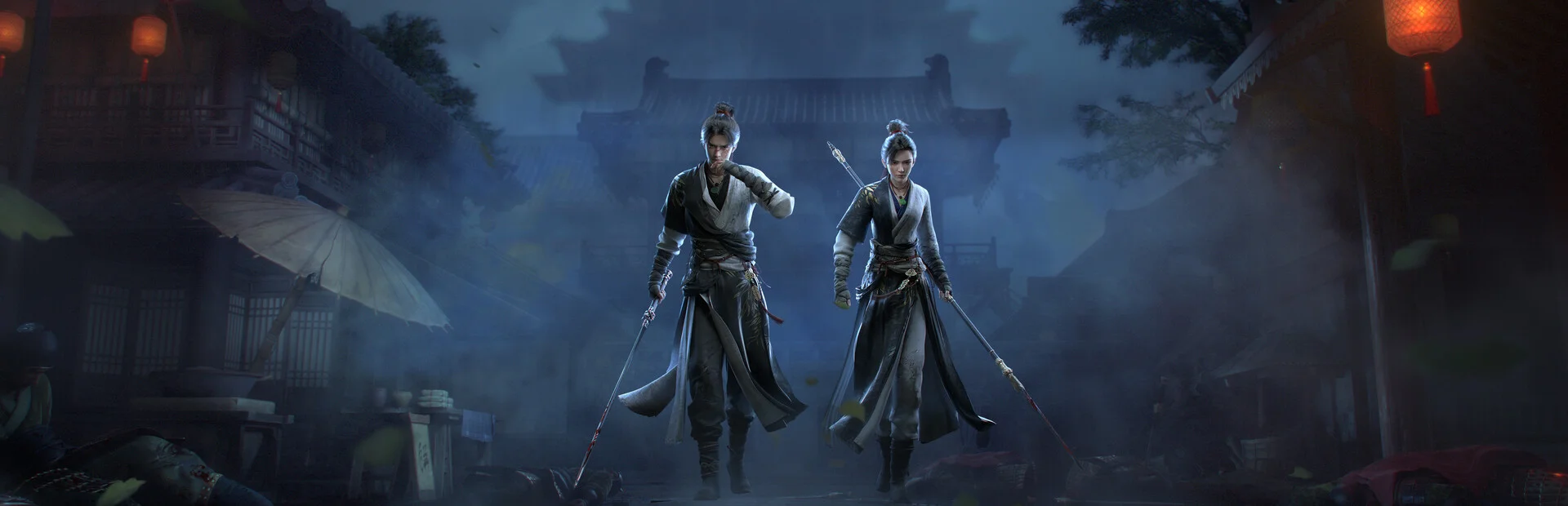
Review info: Mid-2026 live build (Hexi-era content window) · PC (Steam) primary · ~45 hours played · Light spoilers (region and era names only; no quest twists)
Read this first: Store links and platforms: Game Hub. Curious why the Five Dynasties setting feels this textured? Start with our Culture Hub. Comparing free open worlds? See Genshin Impact 2026 and Wuthering Waves 2026.
When Where Winds Meet launched worldwide on November 14, 2025, NetEase's Everstone Studio bet that a free cross-play open-world wuxia ARPG could feel premium without character banners — sword, spear, fan, and umbrella combat across a Five Dynasties Jianghu, with cosmetics and a battle pass instead of gacha pity timers. Months of patches later, the question is no longer whether the world looks expensive — it obviously does. The question is whether your time is worth handing to a live-service checklist, system sprawl, and seasonal tracks in a game that never truly ends. This review covers how Where Winds Meet plays on PC in mid-2026: what you get for $0, what comfort costs, and who should start, return, or stay away.
From China Beta to a Global Jianghu
Everstone Studio, under NetEase Games, built Where Winds Meet (燕云十六声) as a seamless open-world wuxia action RPG set during China's Five Dynasties and Ten Kingdoms period. Mainland China open beta arrived in late 2024; the worldwide release hit PC and PlayStation 5 on November 14, 2025, with mobile following in December 2025 and Xbox Series X|S in June 2026. Full cross-play and cross-progression across PC, consoles, and phones is the quality-of-life baseline — one wanderer account, many devices.
We tested primarily on PC (Steam, app 3564740) with a Ryzen 7 7700, 32 GB RAM, and an RTX 4070 at 1440p, plus shorter sessions on PS5 and iOS to sanity-check cross-save.
Account progress was self-maintained; no review code or publisher stipend was involved (reviewCopyDisclosed: false).
The base game remains free to download; revenue comes from cosmetic shops, currency packs, and optional battle-pass tiers — not a box price and not character convene banners.
That business model defines every paragraph below. Unlike our Black Myth: Wukong review, which asks whether a premium single-player purchase justifies itself once, Where Winds Meet asks whether an ongoing relationship with seasonal content still feels rewarding. And unlike our Genshin or Wuthering Waves reviews, the Value conversation here is about cosmetics and convenience, not five-star pity math. For the history behind Yan Yun and Kaifeng, see the Culture Hub; here we focus on whether the game earns your evenings.
Open World and Jianghu Life
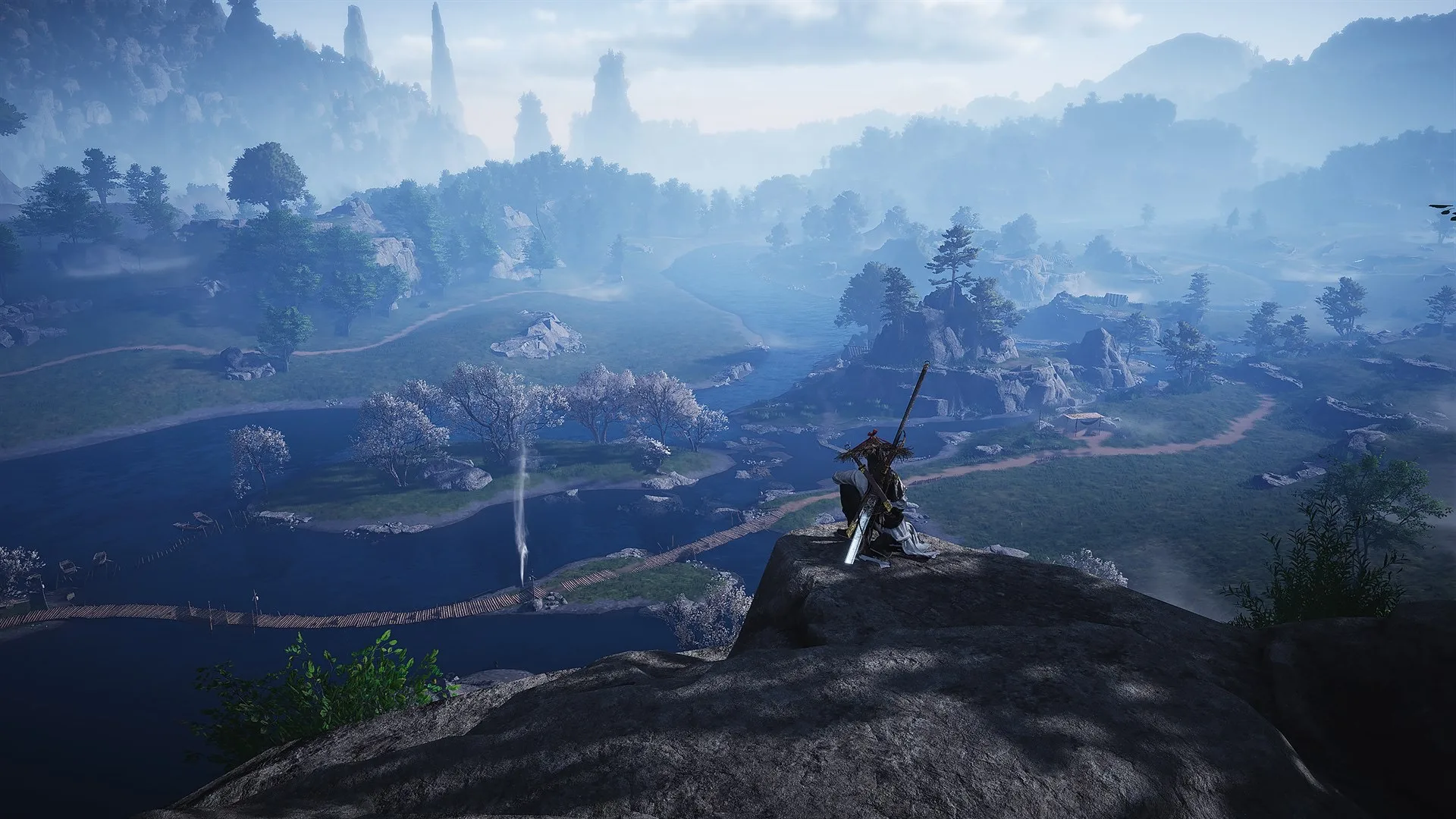
The core loop is still wander the Jianghu → follow the solo story → clear tombs, bounties, and world events → return to upgrade weapons, mystic arts, and life skills. Traversal mixes parkour, mounts, windstride-style long-distance movement, and fast-travel anchors as regions open. Cities like Kaifeng sell denser NPC life; wilderness zones reward rooftop routes, riverside vistas, and the kind of quiet overlooks that make screenshot tourists linger.
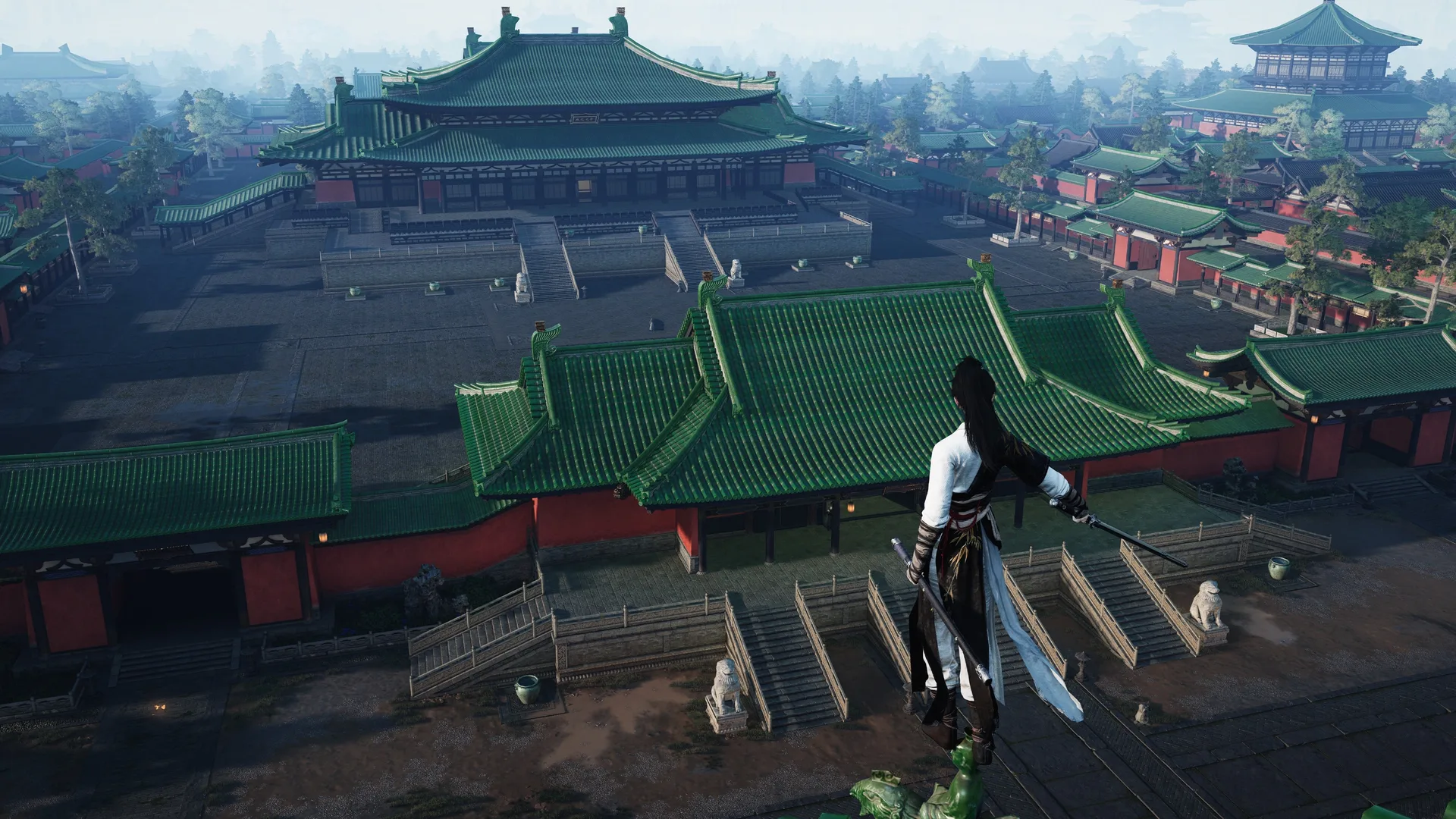
Regional identity is one of the game's strongest world-design tricks. Capital streets push crowded markets and palace courtyards; frontier maps lean into passes, poetry-corridor landscapes, and later Hexi-era expansions that keep the map growing after launch. Side activities — professions, social minigames, exploration puzzles — thicken the "living Jianghu" pitch beyond a pure action-RPG checklist.
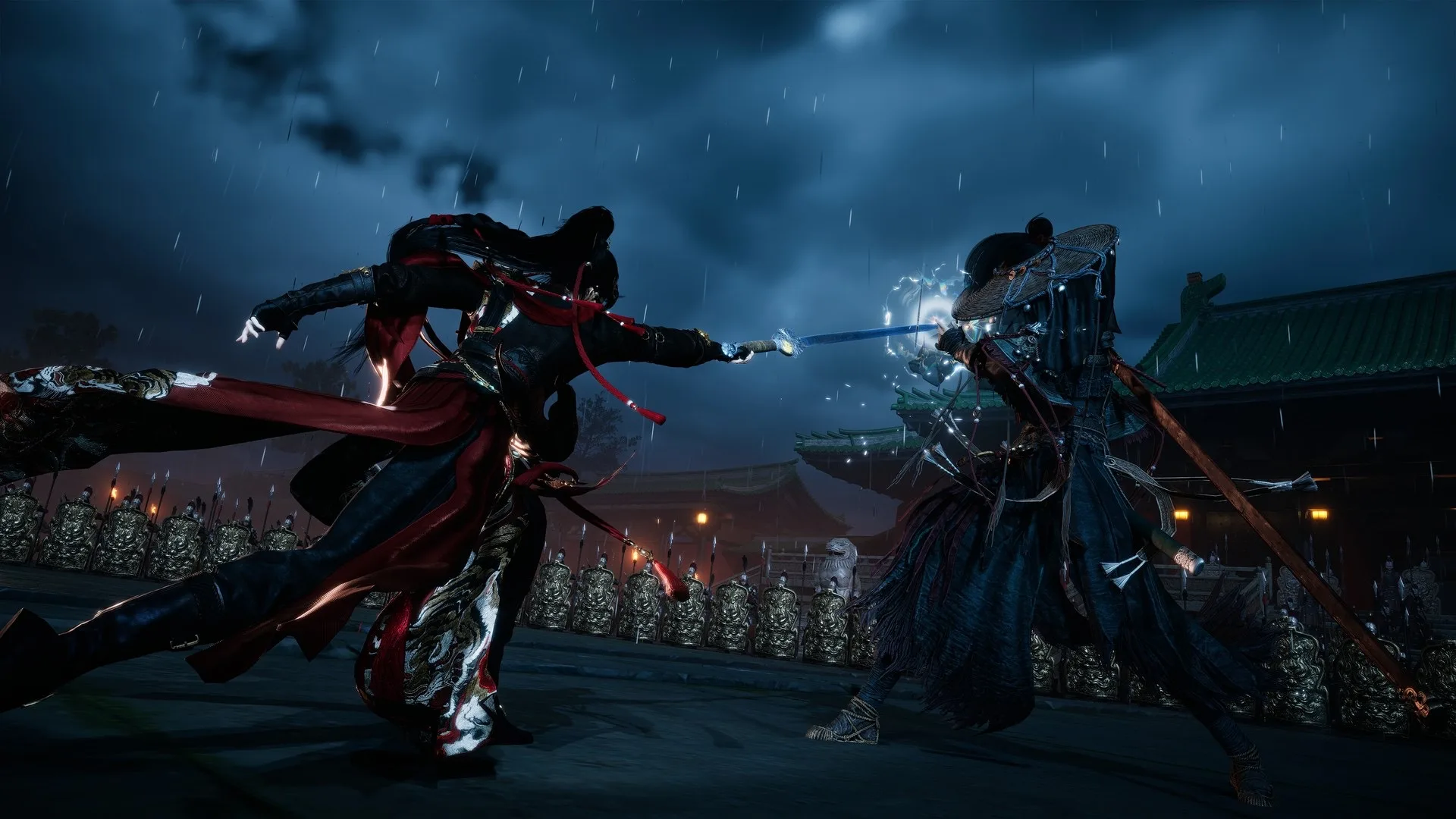
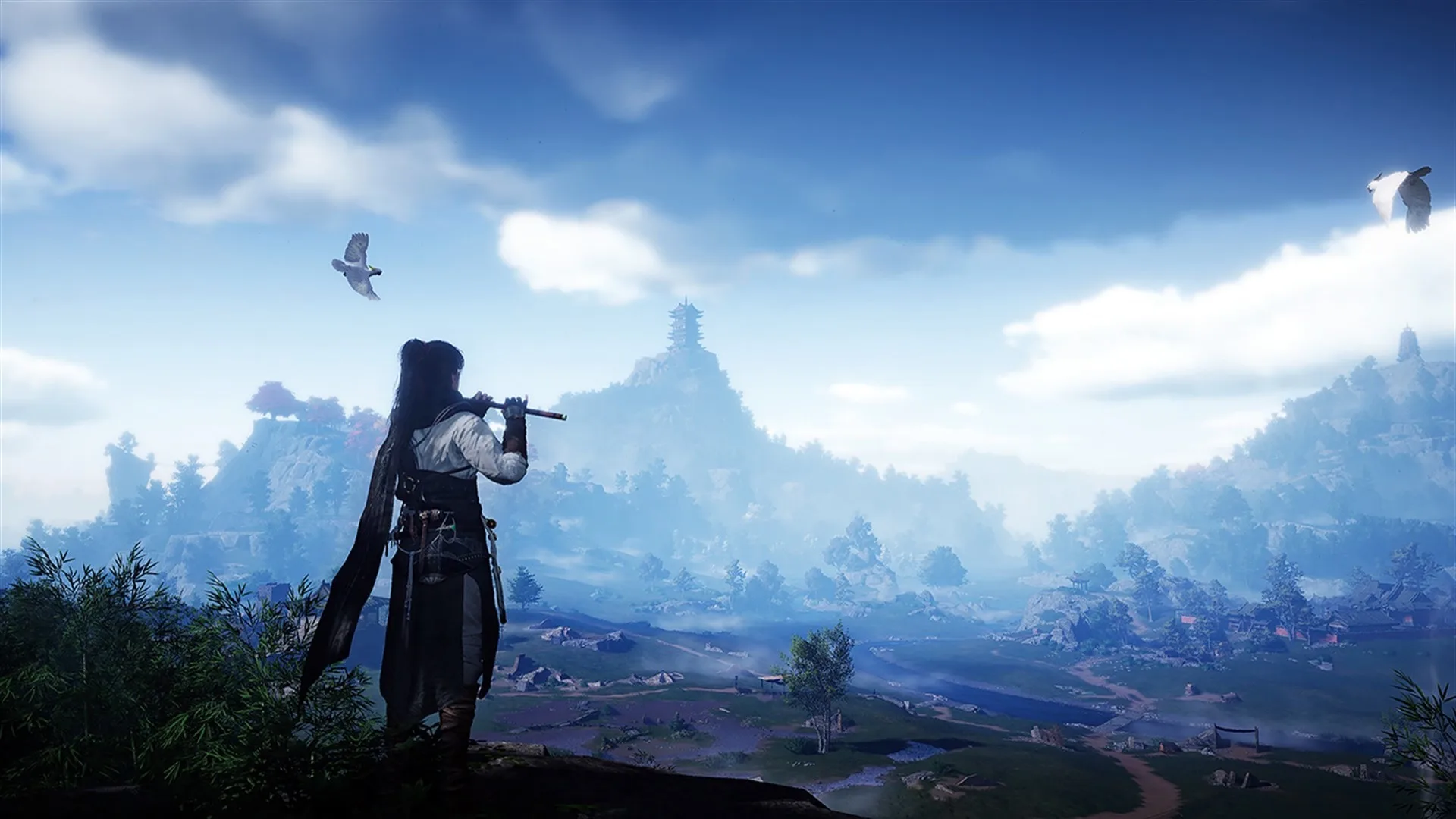
The honest downside is checklist fatigue. Once you clear a region's tombs, collectibles, and daily tracks, backtracking can feel like a beautiful commute rather than a living wilderness. If you are a tourist explorer who enjoys 70% completion and moves on with the story, the map feels fresh for dozens of hours. If you need Skyrim-scale emergent systems with no seasonal cadence, Where Winds Meet will feel like a gorgeous theme park — stunning, but scheduled.
Combat — Weapons, Mystic Arts, and Counters
Combat is real-time, third-person martial arts with a loadout built around classic wuxia weapons — sword, spear, dual blades, glaive, fan, and umbrella — plus bows and mystic arts such as Tai Chi counters and stealth tools. Switching weapons mid-fight and reading enemy telegraphs matters more than watching a gacha ultimate cinema; the best encounters reward timing, positioning, and tool swaps rather than roster swaps.
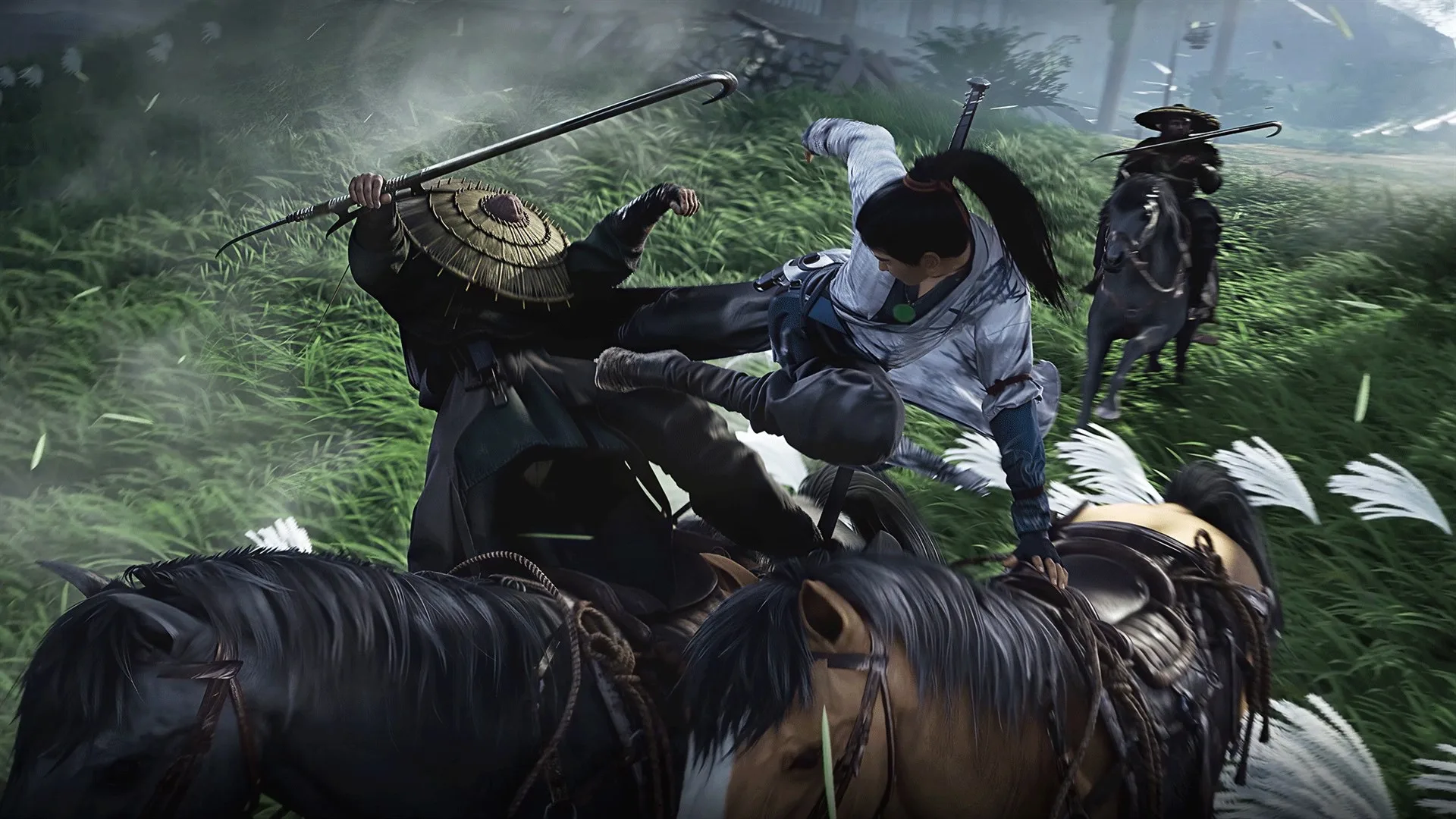
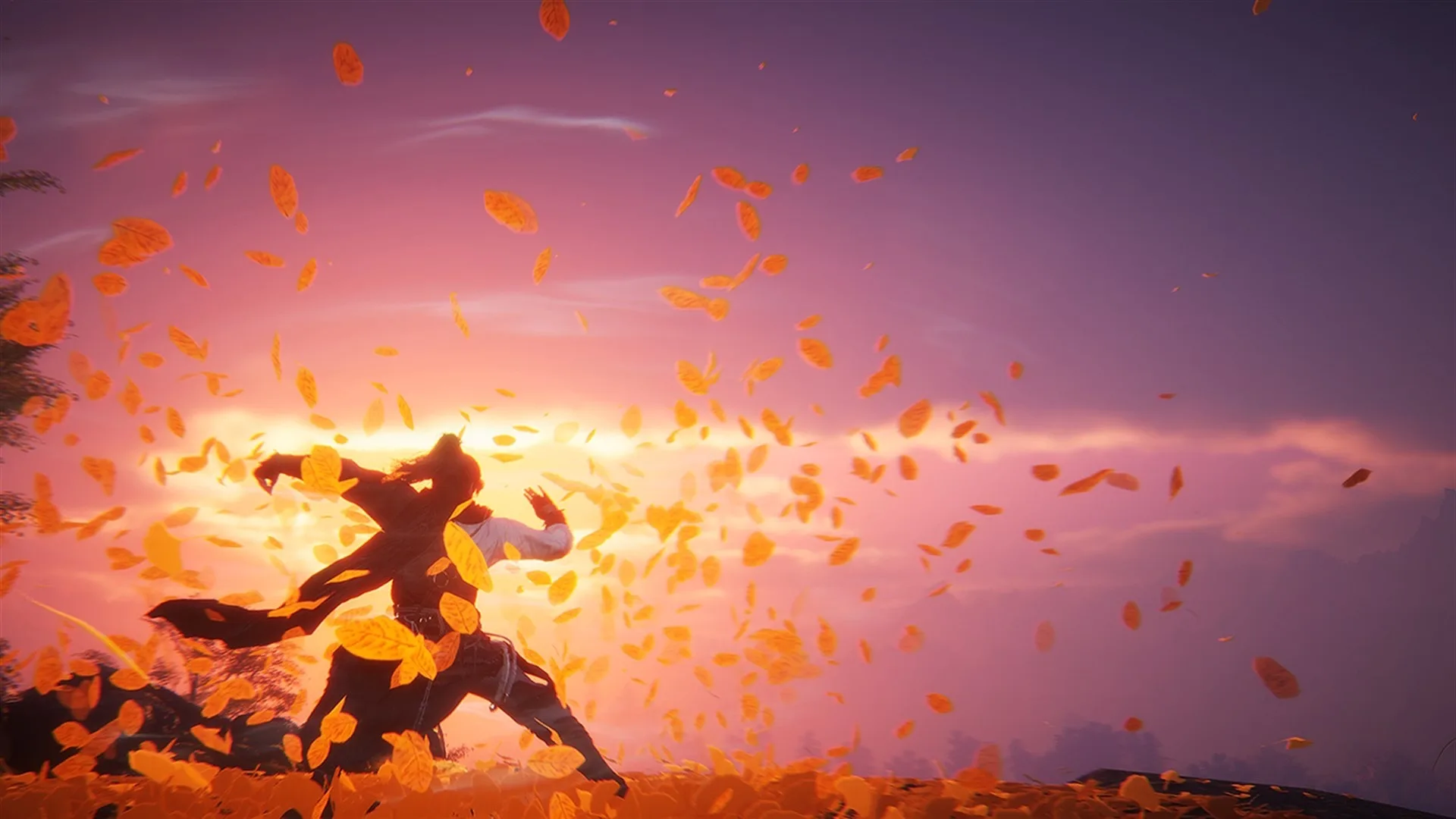
Build identity comes from weapon mastery, mystic-art combinations, and how you approach stealth versus open confrontation. Action veterans will find a satisfying dodge-and-punish cadence; newcomers may bounce off tutorial density before the loop clicks. For how weapons and Tai Chi sit in cultural tradition — without spoiling systems — see Swords, Fans, Umbrellas & Tai Chi.
The combat ceiling is high enough to carry the score; the combat floor can feel busy when UI, quests, and social systems stack on top of learning six weapon families at once. Patience through the first ten hours pays off.
Story and World
The solo campaign promises a long narrative path — Everstone markets 150+ hours of story content — framed around a young wanderer navigating political intrigue, sect loyalties, and personal identity in a fractured era. Early chapters hit hard with atmosphere and set-pieces; the middle stretch can sag into escort-adjacent quests and system unlocks that feel more live-service than novelistic.
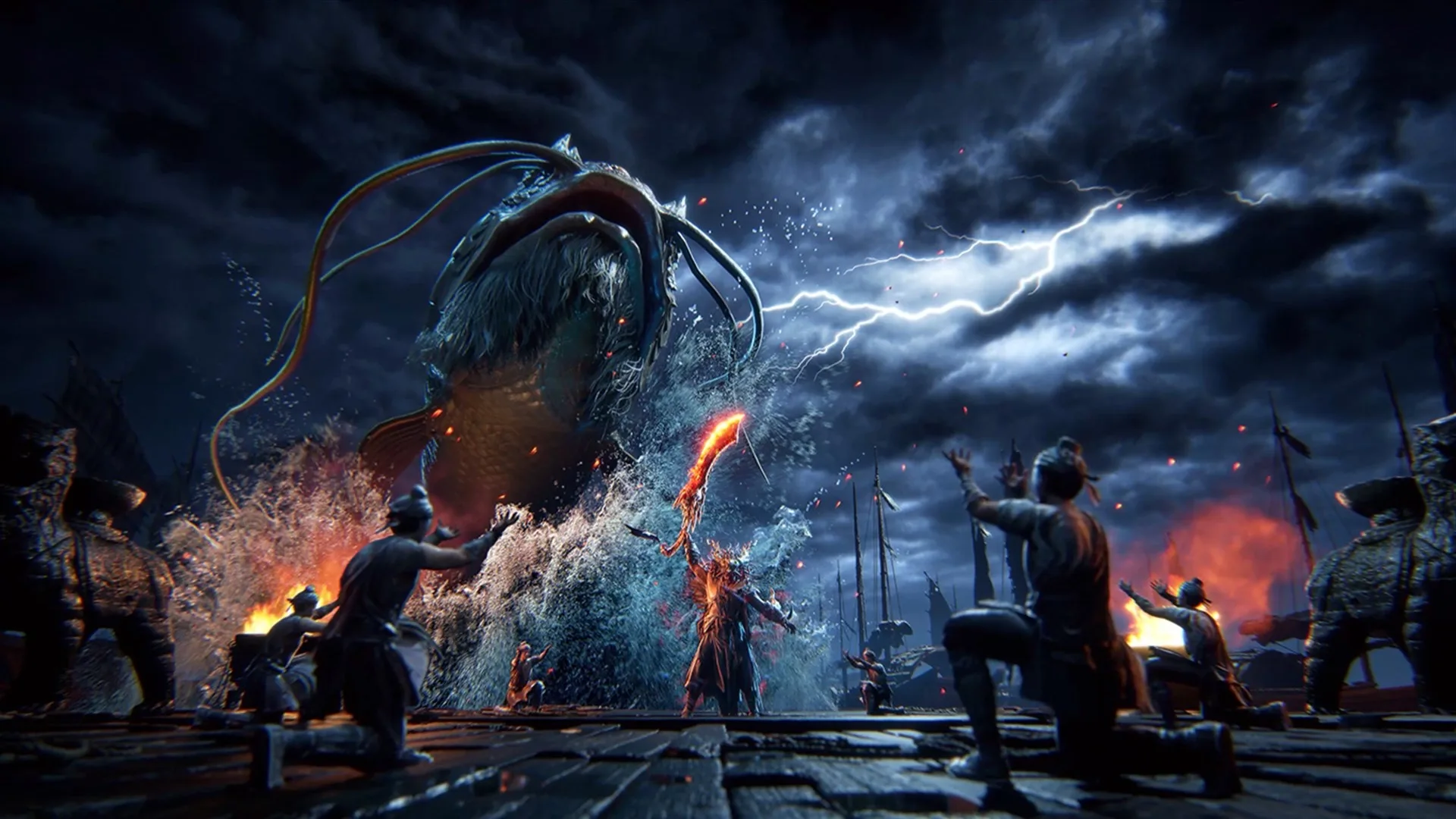
Spoiler discipline for this review: we name eras and cities, not twists. The Five Dynasties texture is one of the game's quiet strengths — Kaifeng prosperity and decay, Yan Yun borderland politics, Hexi corridors — and our Five Dynasties in 10 Minutes primer exists so you can enjoy that texture without homework. English localization is fully playable; Chinese voice performance remains the emotional reference for many scenes.
Story score lands at 7.8 because the world and peak chapters earn investment, while live-service pacing and system interruptions keep it short of a premium single-player novel like Wukong's tighter arc.
Visuals and Audio
Visually, Where Winds Meet is frequently screenshot-worthy: misted mountains, rainy courtyards, moonlit rooftops, and particle-heavy martial finishes that sell the "wind" in the title. Art direction stays coherent across wilderness and capital — less anime gacha glow, more grounded historical fantasy with wuxia exaggeration in combat cameras. For how film-wire choreography informed motion, our Culture piece on Yuen Woo-ping and wuxia cinema is the deep dive; the review takeaway is simpler: fights look expensive when the frame rate holds.
Audio is a strong supporting pillar — memorable score cues, environmental ambience in cities and wilds, and combat hits that read cleanly on headphones. Localization mixes Chinese VO options with English UI; your preferred mix depends on whether you prioritize lip-sync authenticity or subtitle-first comfort. Visuals score 8.8; audio 8.2.
Performance — PC First, Then Other Platforms
On our RTX 4070 / 1440p test bed, high settings generally hold a playable cadence in open wilderness and mid-scale fights. Dense capital crowds, foliage-heavy valleys, and VFX-heavy set-pieces still produce dips — the usual NetEase open-world tax on mid-high PC hardware rather than a launch-only disaster. Expect to tune shadows, crowd density, and volumetric effects if you prioritize a locked frame rate over maximum pretty.
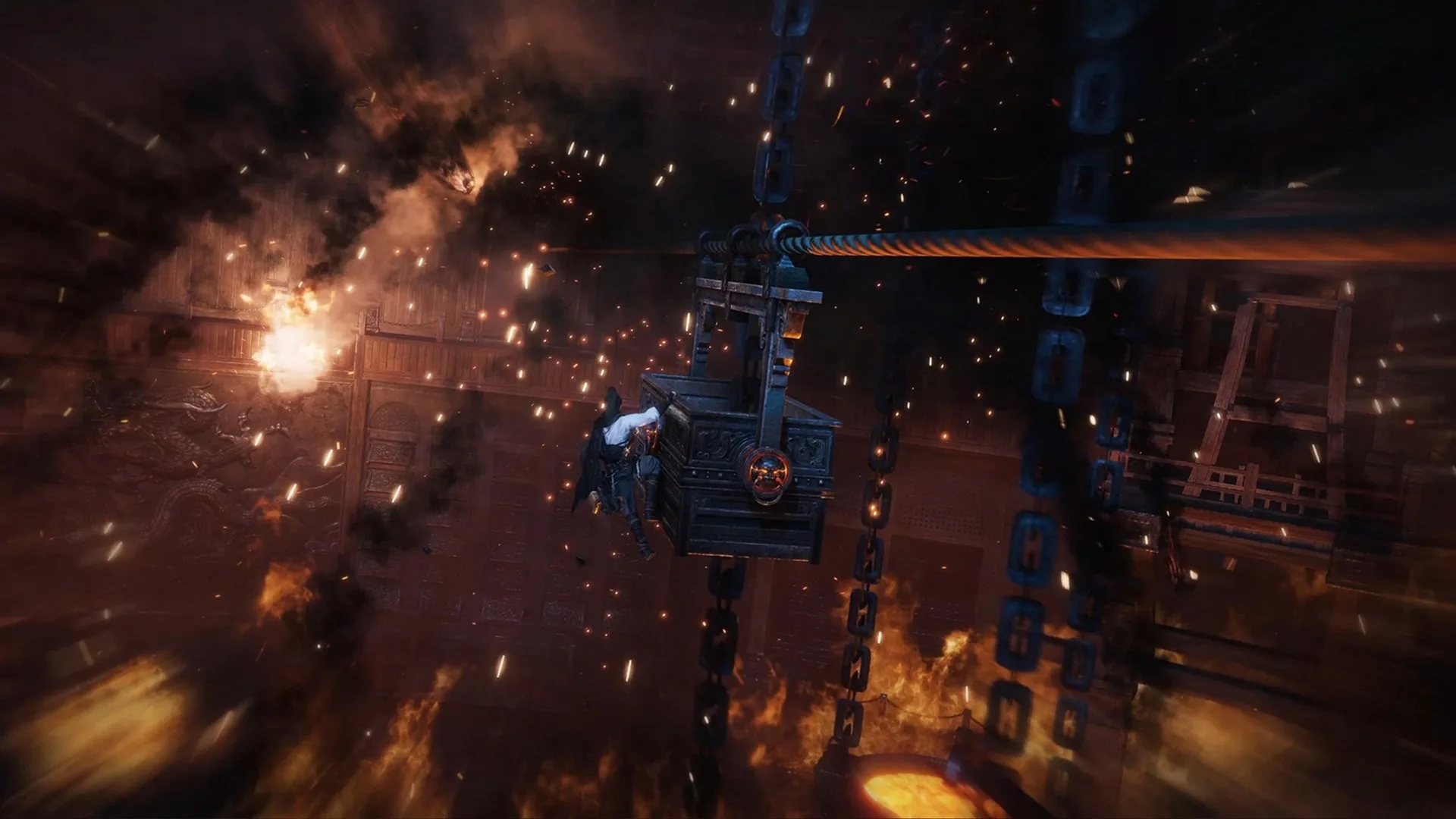
PS5 offers a more set-and-forget console experience with DualSense flourishes; mobile is a genuine playable client for travel sessions but cannot match PC fidelity in crowded Kaifeng. Xbox Series X|S joins the cross-play pool as of June 2026 — useful if your friends already live on that ecosystem. Performance score 7.6 reflects solid high-end PC results with honest mid-range caveats, not a recommendation to buy a new GPU just for the game.
Monetization and Value
This is the section that separates Where Winds Meet from most free open-world RPGs in 2026. Gameplay content — story chapters, weapons, mystic arts, exploration, co-op, and competitive modes — is positioned as available without paywalls. There is no character gacha. Monetization leans on cosmetics, currency packs, and a seasonal battle pass with free, Elite (~$10), and Collection (~$20) tracks.
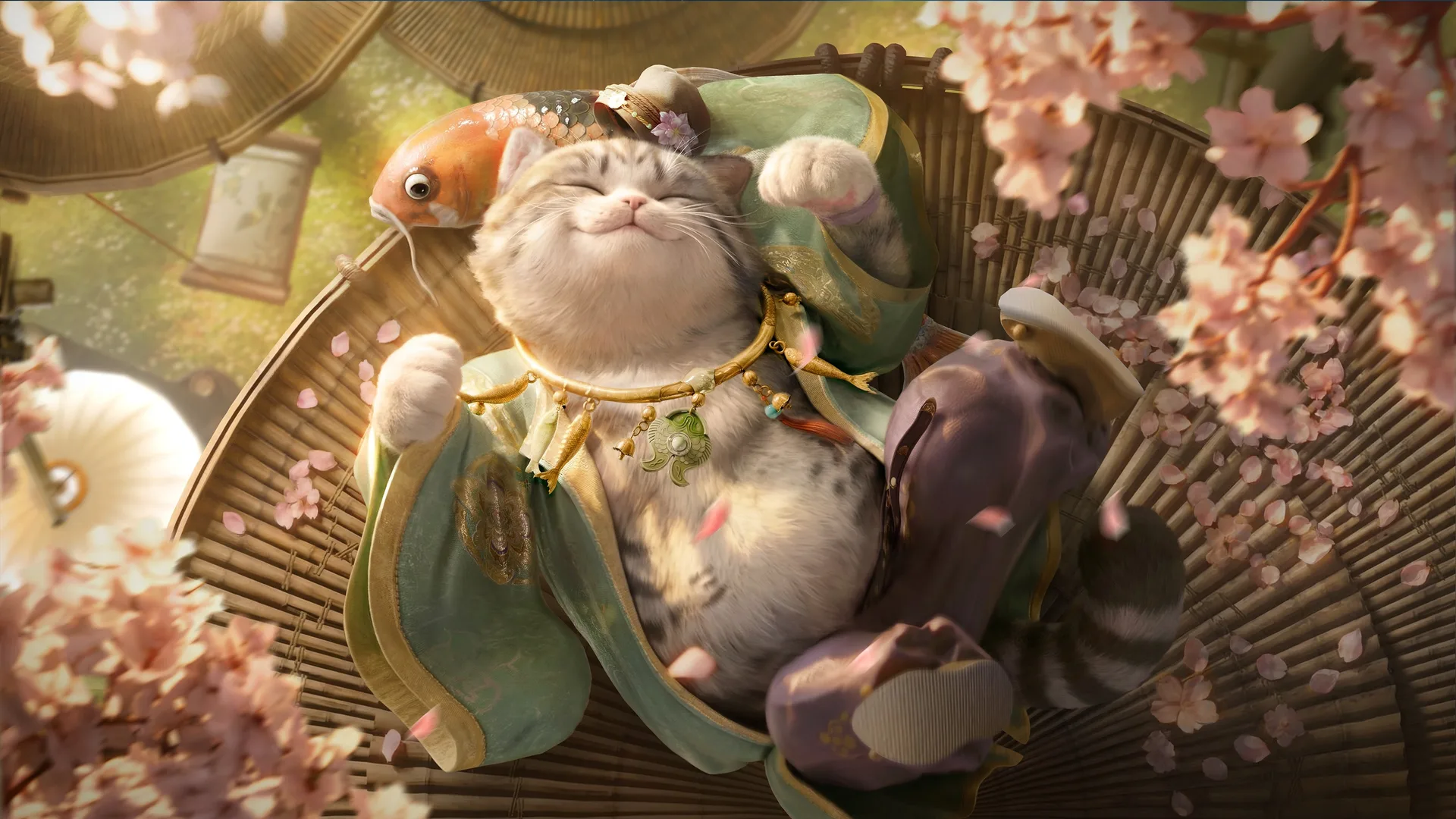
Be honest about the soft edges: paid battle-pass tiers can expand inventory and medicine capacity and unlock portable conveniences. That is not classic pay-to-win character power, but it is pay-for-comfort — and regular players who clear weekly missions will feel the Elite track's value more than pure tourists. Monthly cards and bead packs exist for people who want to dress their wanderer faster; zero-spend players can still finish the solo journey.
Compared with Wuthering Waves (Value 7.0 under Convene economics), Where Winds Meet's Value lands at 8.6 because the absence of character pity math changes the emotional tax of opening the shop. You can still spend recklessly on outfits; you are not locked out of a meta roster if you refuse. If you want one upfront price and a credits roll with no seasonal FOMO, a premium title like Black Myth: Wukong remains the cleaner relationship.
Co-op, PvP, and Live Service
Seamless co-op for up to four players, guild activities, raids, and competitive duels extend the Jianghu beyond solo tourism. Modes such as Blood and Rain-style PvP and guild wars reward players who want a shared world; they are optional for story-first wanderers. Patch cadence has kept adding regions and weapons after launch — Hexi-era content is the mid-2026 example of a map that is still growing rather than frozen at day-one borders.
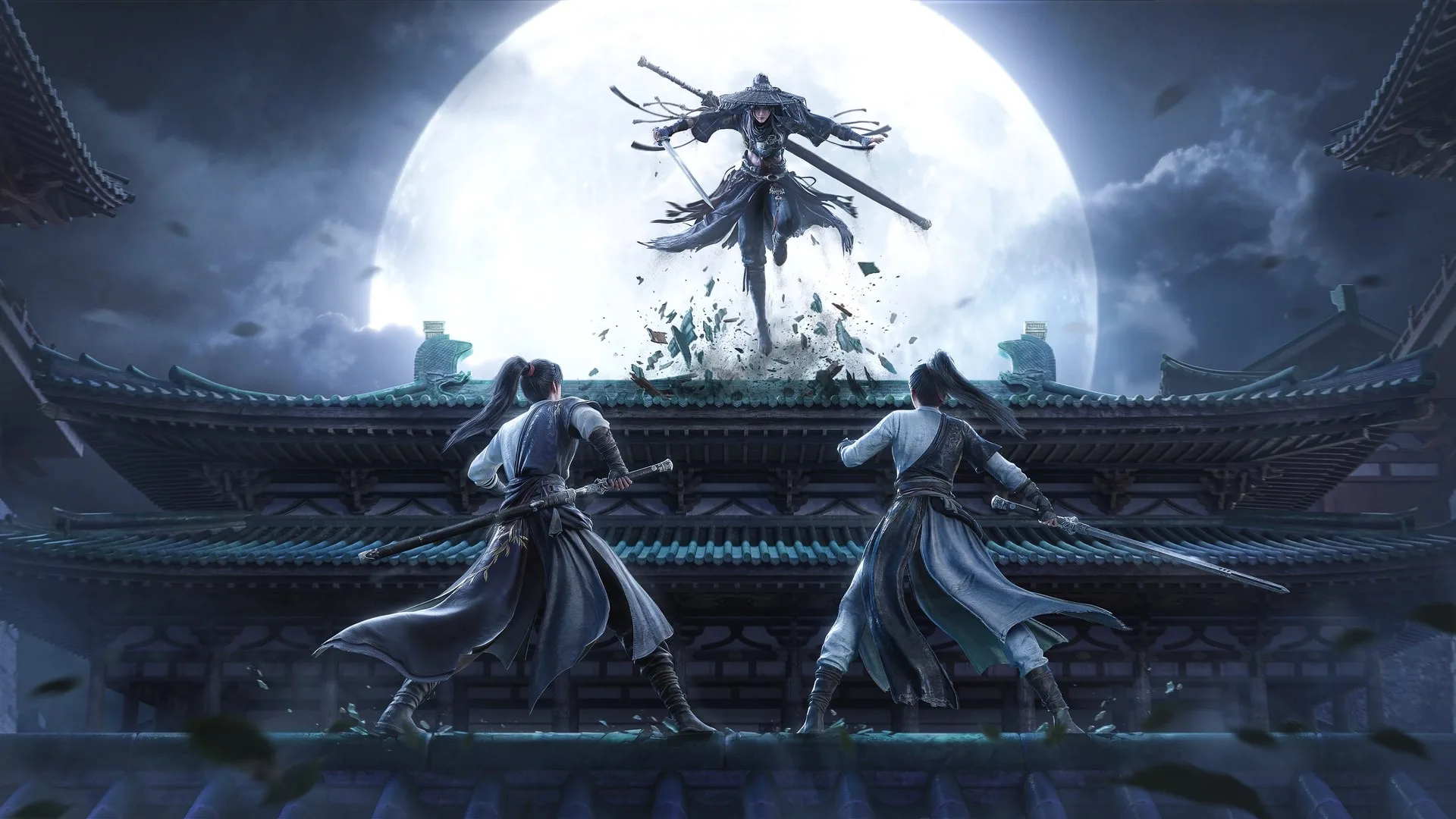
Live-service repetition is the honest tax after the story binge. Seasonal tracks, weekly missions, and catch-up after a break define the long tail — optional for tourists, sticky for guild regulars. For cultural framing of co-op and PvP in the Jianghu, see Co-op, PvP & Blood and Rain.
Who Should Start, Return, or Skip
Start or return now: Players who want free open-world wuxia combat without character gacha; martial-arts fans who enjoy weapon identity and mystic counters; tourists who like cities, tombs, and professions; friends groups that want cross-play co-op on PC, console, or phone; anyone who already loved our Culture Hub and wants the game that inspired it.
Play casually / on the fence: Already deep in Genshin or WuWa with limited evenings — this is a third live-service relationship, not a weekend demo; story-first players who need every chapter to hit novel density; mid-range PC owners who dislike tuning graphics menus.
Skip: Players allergic to any live-service checklist; buyers who only want a one-and-done premium campaign with no seasonal FOMO; pure PvP haters who also refuse solo open worlds; hardware that cannot hold a stable 30 fps in cities.
Where Winds Meet in mid-2026 is Everstone's best argument that free-to-play wuxia can feel like a premium open world without banner FOMO — held back by system sprawl, mid-PC dips, and the usual live-service long tail. If that trade sounds fair, start at the Game Hub for download links. If you want exploration-first gacha open worlds, read our Genshin and Wuthering Waves reviews; if you want a finished premium martial fantasy with a price tag and a credits roll, go Black Myth: Wukong instead. Where Winds Meet sells a shared Jianghu you can actually keep playing for free — and for the right wanderer, that is exactly the point.