
Review info: Version 6.x (Natlan era, July 2026) · PC (global client) + iOS + PS5 · ~200 hours played · Light spoilers (nation and Archon names only; no quest twists)
Read this first: New to Liyue's cultural layer? Start with Liyue in 10 Minutes. Store links and platforms: Game Hub.
When Genshin Impact launched in September 2020, miHoYo proved that a free-to-play mobile game could look and feel like a premium open-world AAA title. Six years, seven nations, and hundreds of patches later, the question is no longer whether Teyvat is beautiful — it obviously is. The question is whether your time is worth handing to Original Resin timers, event calendars, and optional gacha pulls in a game that never truly ends. This review covers how Genshin plays in mid-2026: what you get for $0, what comfort costs, and who should start, return, or stay away. For why Liyue echoes real Chinese tradition — not generic fantasy — see our Culture Hub; here we focus on whether the game still earns your evenings.
Six Years of Teyvat
miHoYo (now under the HoYoverse label) built its reputation on anime-styled action RPGs before Genshin Impact became a global phenomenon. The game launched worldwide on September 28, 2020, for PC, mobile, and PlayStation, with cross-save and co-op from early on. By July 2026 the main story has marched through Mondstadt, Liyue, Inazuma, Sumeru, Fontaine, and Natlan, with Snezhnaya still on the horizon — each nation adding a full map region, Archon Quest arc, local cast, and seasonal festivals.
We tested on PC (global client) with a Ryzen 7 7700, 32 GB RAM, and an RTX 4070 at 1440p, plus regular sessions on iPhone 15 Pro and roughly 30 hours on PS5.
Account progress was self-maintained over multiple years; no review code or publisher stipend was involved (reviewCopyDisclosed: false).
The base game remains free to download; revenue comes from optional Wishes, the Blessing of the Welkin Moon, and the Battle Pass — not a box price.
That business model defines every paragraph below. Unlike our Black Myth: Wukong review, which asks whether $60 of premium content justifies itself once, Genshin asks whether an ongoing relationship with daily limits and banner rotations still feels rewarding. Our Culture articles explain why Rex Lapis governs by contract; this review explains how it feels to grind artifacts at 4 a.m. because your resin finally refilled.
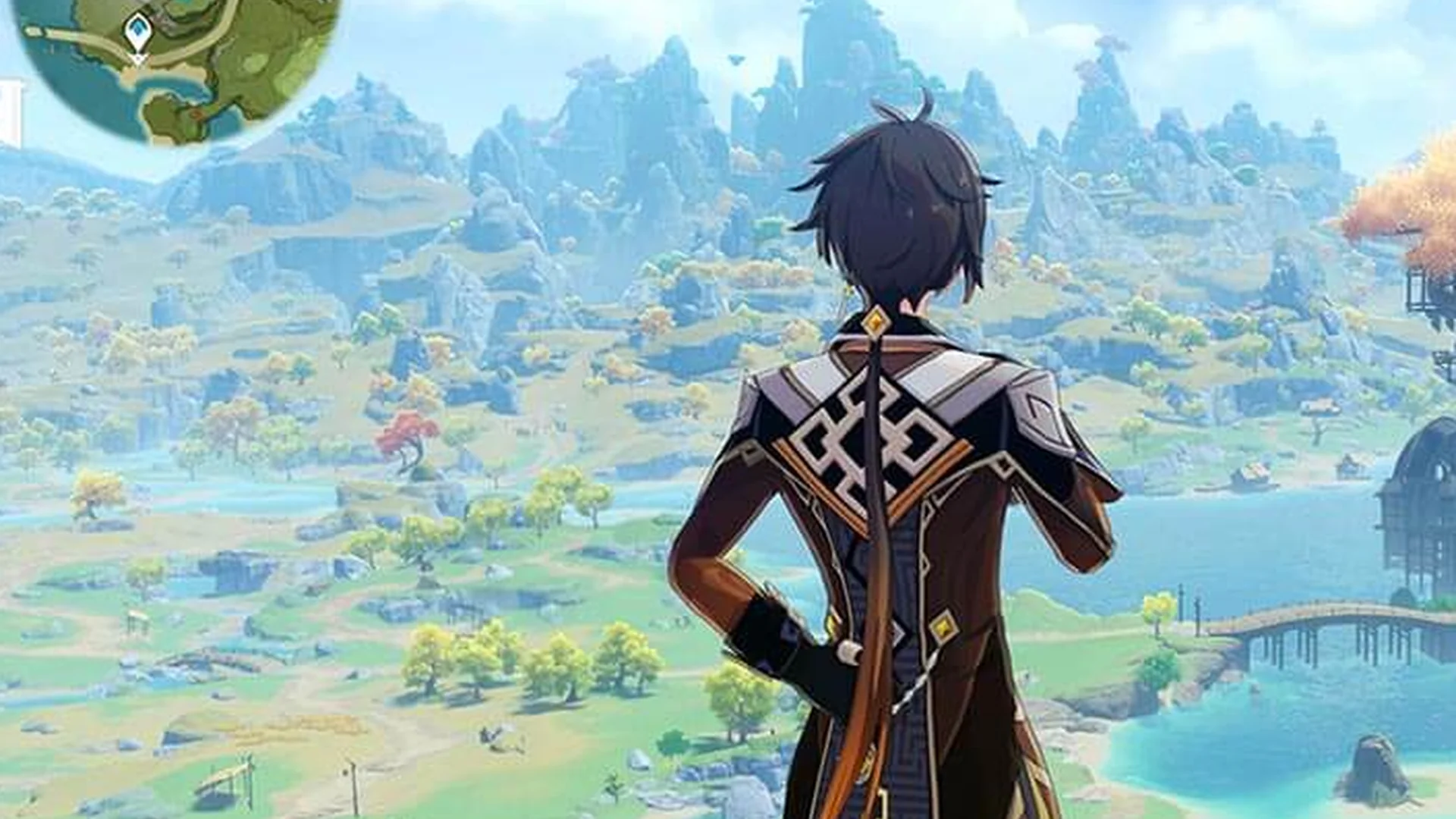
Exploration and World Design
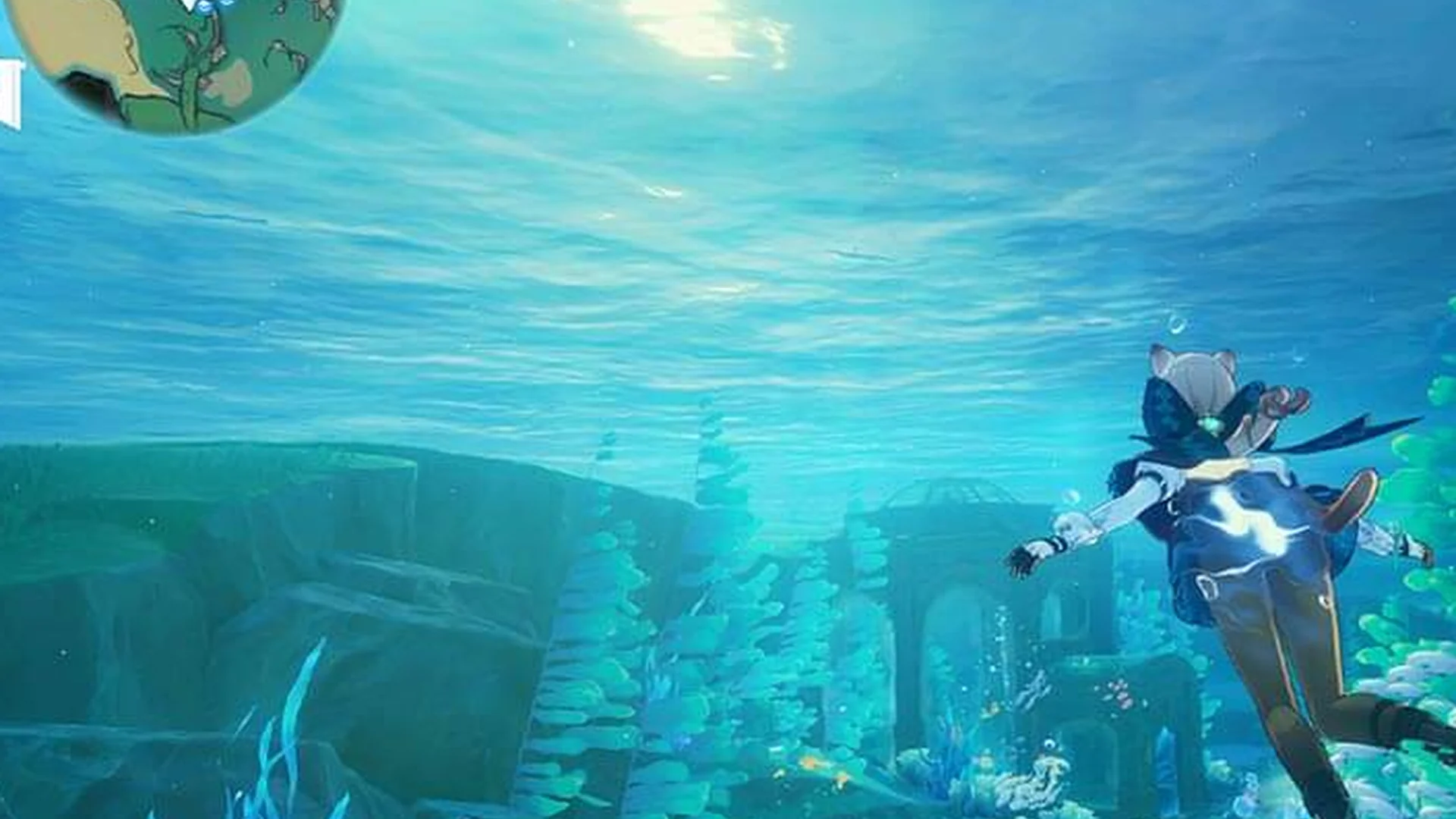
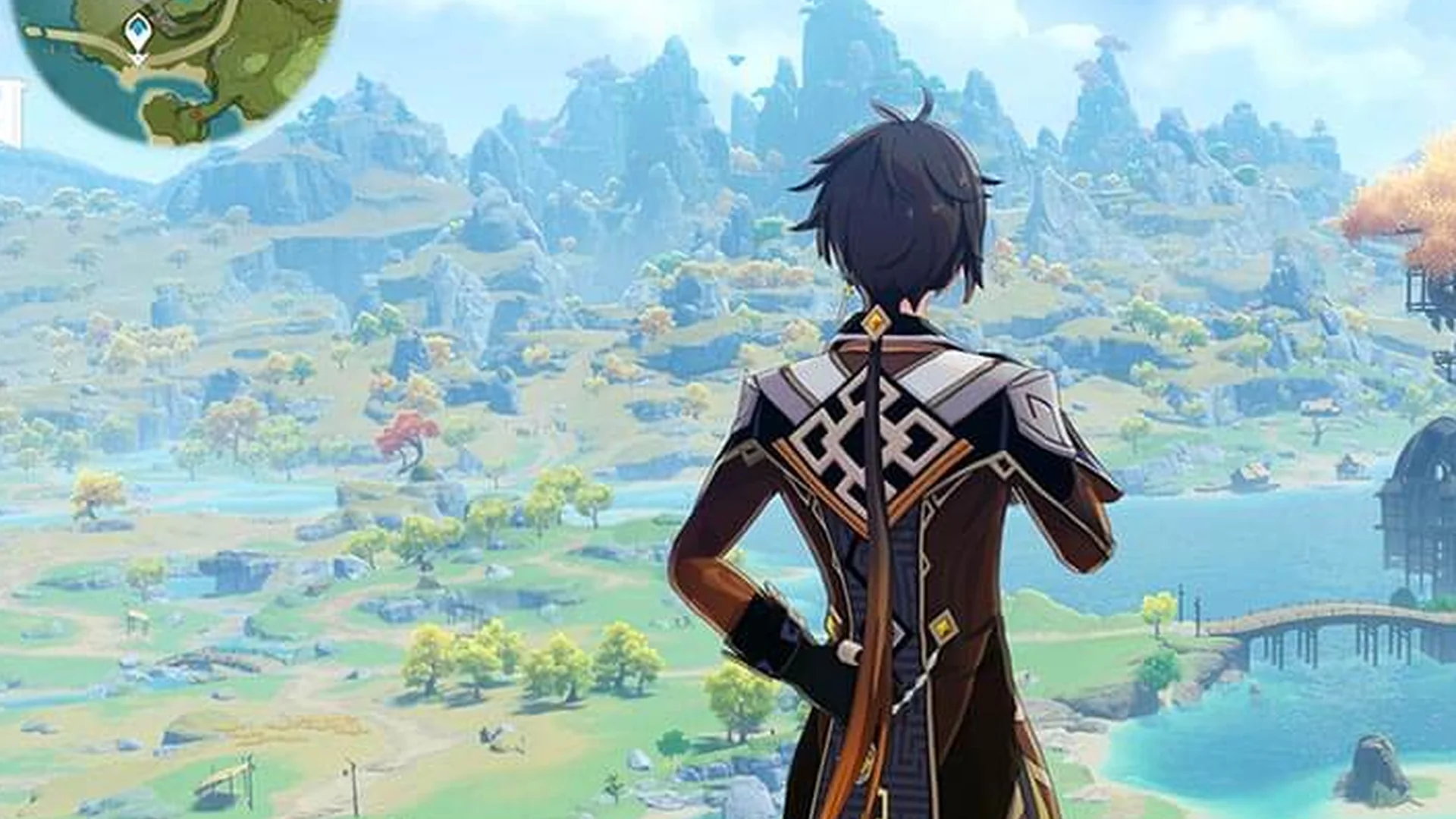
Teyvat's core loop is still see a mountain → climb it → find a chest, puzzle, or vista. Stamina fuels sprinting, climbing, and gliding; elemental skills let you freeze water, burn vines, or geo-construct platforms to reach secrets. Oculi (Anemoculi, Geoculi, and their successors) scatter across each region, nudging completionists into every cliff face. The map has grown enormous — by Natlan you are navigating layered vertical biomes, underground caverns, and nation-specific traversal toys (wires, skiffs, Sumeru four-leaf sigils, Fontaine aquabikes).

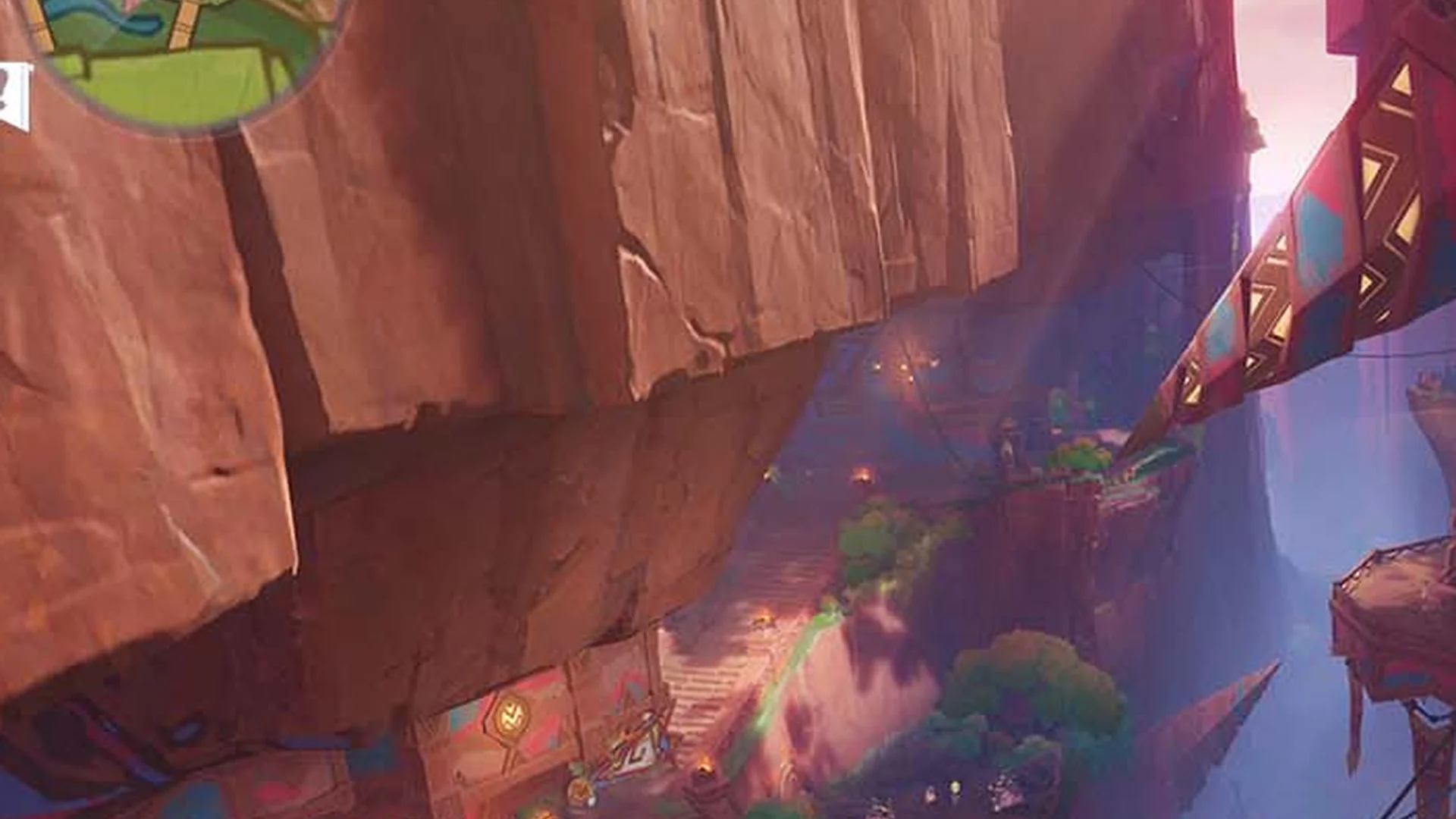
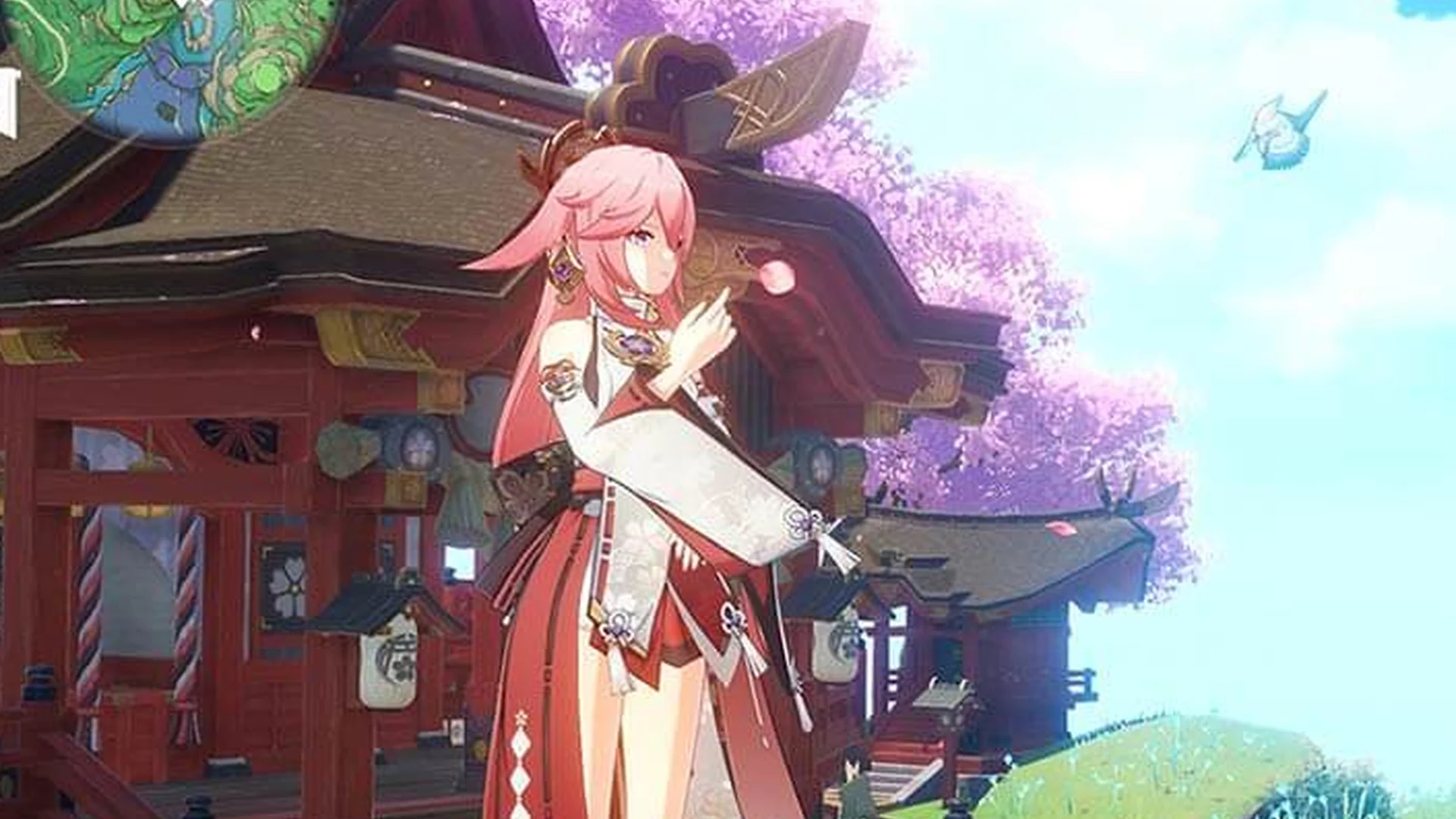
Regional identity is Genshin's strongest open-world trick. Mondstadt's windmills and meadows read European pastoral; Liyue's karst peaks and harbor markets echo southern Chinese landscapes; Inazuma trades in eternal thunder and feudal Japan aesthetics; Sumeru leans scholarly rainforest; Fontaine stages revolution beside art-deco waterways; Natlan brings mesoamerican-inspired volcanism and tribals. None of these are ethnographic documentaries — miHoYo compresses and fantasizes — but the art direction keeps each nation visually distinct in a way most live-service maps do not.
The honest downside is map fatigue. Collecting every chest and puzzle in a new region can feel like a second job, and older areas can look sparse once you've cleared them. If you are a tourist explorer who enjoys 60% completion and moves on, Teyvat stays fresh for hundreds of hours. If you are a 100% checklist player, budget external guides and accept that repetition is part of the contract. For how Liyue Harbor specifically mirrors real Chinese architecture and shanshui painting, see Liyue Harbor & Chinese Landscapes.
Combat and Elemental Reactions
Combat is real-time action with a party of four, only one character on field at a time. Normal and charged attacks, elemental skills (E), and bursts (Q) interact through a reaction table: Vaporize, Melt, Freeze, Electro-Charged, Swirl, Crystallize, Bloom, Hyperbloom, Burgeon, Quicken, Aggravate, Spread, and more as elements expanded. Building a team means pairing elements that amplify each other — not just stacking the highest ATK character you own.
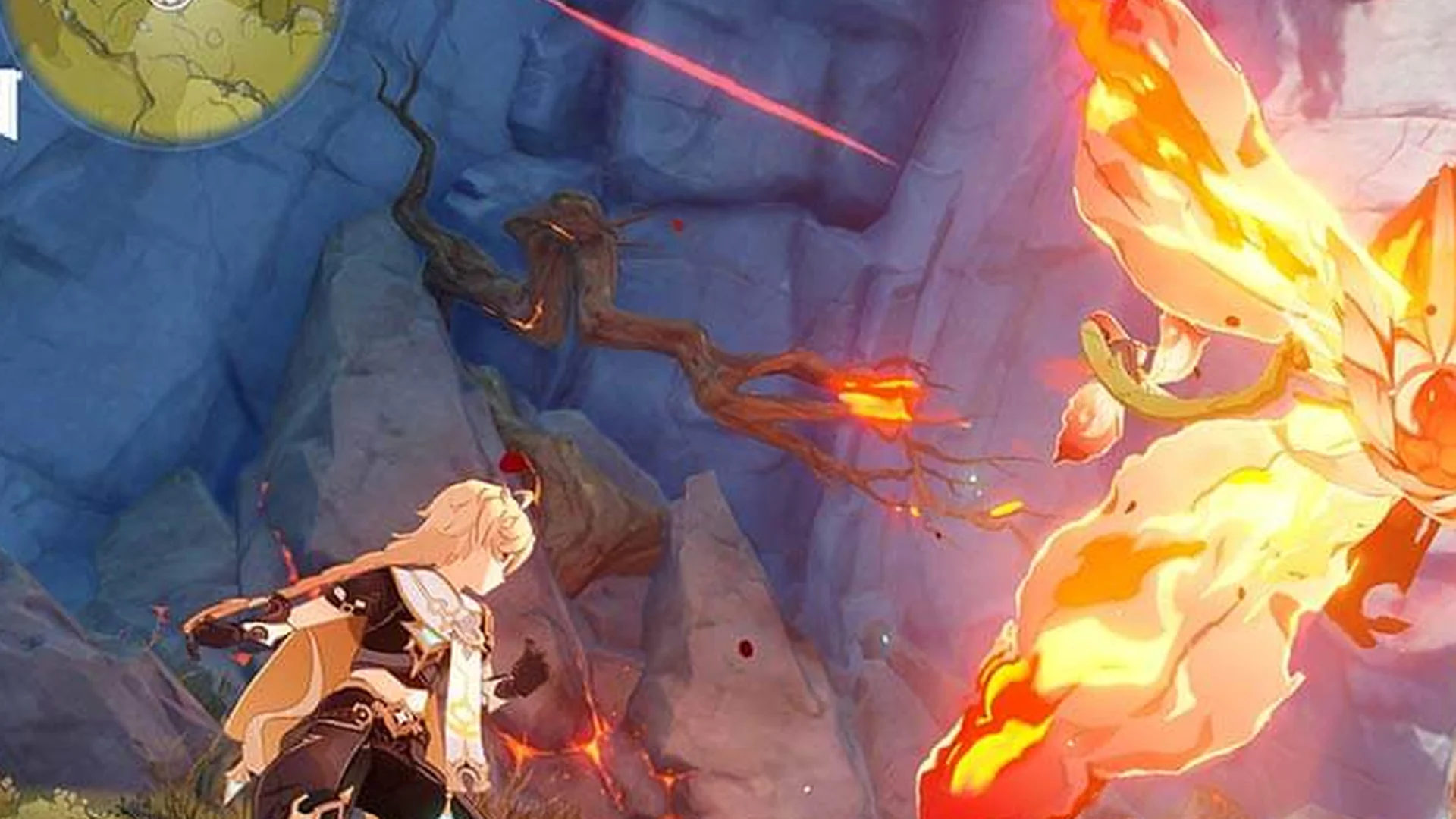
Enemy design mixes shield breakers, damage phases, and mechanic checks (e.g., ruin sentinels, abyss heralds, local legends). Boss fights in Archon Quests and weekly domains can be genuinely tense even at Adventure Rank 60. The action sits lighter than Sekiro or Bayonetta — dodges have i-frames but combat is RPG-stat weighted — yet it is faster and more expressive than traditional MMO tab-target fare.
Co-op supports up to four players in domains and open-world bosses. There is no open-world PvP; griefing is limited to whether your co-op partner picks the flower before you do. Domains remain the best co-op content: short, repeatable, element-themed gauntlets with clear roles for shields, healers, and burst DPS.
Story and Characters
Narrative delivery splits into tiers. Archon Quests are the mainline — multi-chapter arcs per nation tied to each region's god and political crisis. Story Quests and Hangout Events flesh out playable characters. Limited-time events often carry lighter stories but sometimes introduce mechanics or lore breadcrumbs. Quality varies, but the trend since Liyue is upward: flagship arcs for Rex Lapis, the Raiden Shogun, Nahida, Furina, and Natlan's tribal leaders land with genuine emotional payoffs if you invest time.
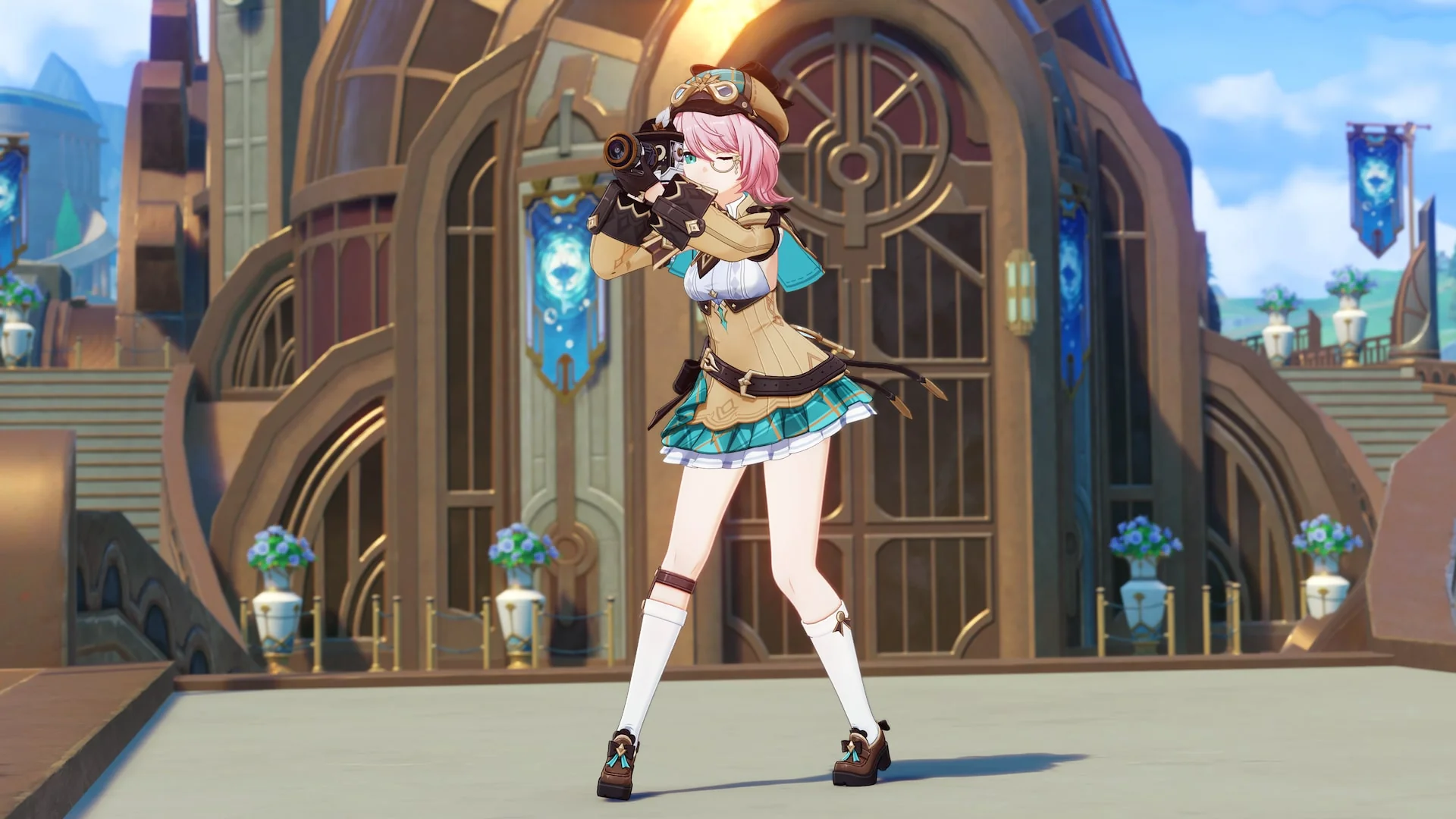
We will name nations and Archons (Venti, Zhongli, Raiden Shogun, Lesser Lord Kusanali, Furina) because those are marketing-level facts, but we will not spoil quest twists, fake deaths, or end-of-nation reveals. Players who want deep Liyue lore with heavier spoilers should read The Archon War in Liyue (marked major spoilers in Culture). Character fans get more from our Zhongli culture piece than from any combat tier list.
English voice acting is professional and consistent; Japanese and Chinese tracks remain popular with subtitle players. The Traveler (Aether or Lumine) is still the weakest-written lead — a silent-ish audience surrogate — but supporting casts carry scenes. If you are here purely for a linear novel, Genshin will frustrate you with patch-gated chapters. If you enjoy long-form TV-serial pacing with spectacle finales every few months, it delivers.
Visuals and Audio
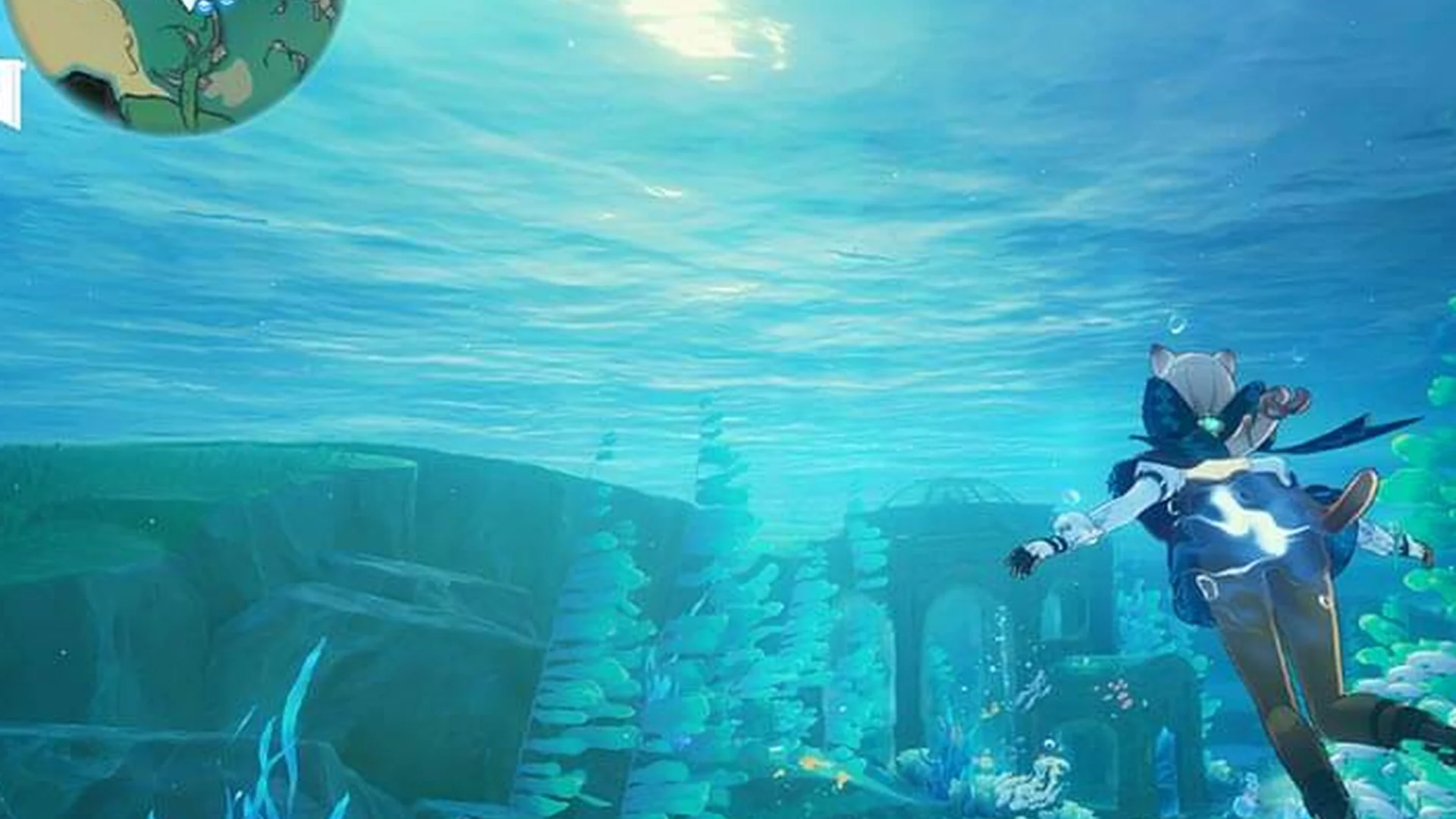
Art direction is Genshin's most defensible 9+ score. Cel-shaded characters pop against painterly environments; weather and time-of-day cycles sell the postcard fantasy. Combat VFX scale with constellation investment without becoming unreadable soup in most content. Costume design and weapon silhouettes are merchandising-ready but still cohesive inside each nation's palette.
Audio matches the visuals. Yu-Peng Chen and HOYO-MiX's regional leitmotifs shift instrumentation per nation — lyre and flute in Mondstadt, guzheng and erhu textures in Liyue, taiko-forward percussion in Inazuma. London Philharmonic collaborations and folk recordings show up in flagship tracks. Combat mixes layer percussion with character-specific themes; burst cut-ins sync with voice lines in a way that still feels satisfying after hundreds of activations.
Performance — PC, Mobile, and PS5
Genshin scales from phones to high-end PCs, which is a blessing for accessibility and a curse for optimization consistency. We re-tested in July 2026 after Natlan-era patches on all three primary platforms.
Cross-platform at a glance
PC (RTX 4070, 1440p, High): Mostly 60 fps in open world; drops to high 40s in dense Sumeru rainforest and Natlan combat VFX. Loading from NVMe SSD is fast after initial shader cache.
Mobile (iPhone 15 Pro, High): Stable 60 fps in Mondstadt/Liyue outskirts; thermal throttling after 30–45 minutes in latest regions. Battery drain is real — not a commute game at max settings.
PS5: 60 fps performance mode holds better than mobile in heavy scenes; DualSense support is basic. Good couch option if you already live on PlayStation.
Known issues: PC first-launch shader compilation stutter; older iPhones and GTX 1060-class GPUs need Low/Medium for comfort; occasional network desync in co-op domains.
Practical minimum (1080p / 30 fps, Low–Medium): Intel Core i5 / Ryzen 5 class CPU, GTX 1060 6 GB or equivalent, 8 GB RAM, 100+ GB storage — miHoYo's official floor is similar; treat it as playable, not pretty.
Comfort target (1080p–1440p / 60 fps, High): RTX 2060 / RX 5700 XT or better, 16 GB RAM, SSD strongly recommended.
Mobile players: if your phone is more than three years old, expect Low settings and fan noise. PS5 players: Performance mode first; fidelity mode is for screenshots, not marathon sessions.
Monetization and Value
This is the section that makes or breaks a 2026 recommendation. Genshin Impact is free to install and free to finish every Archon Quest — no paywall gates the main story. You will meet story-mandated trial characters and free event giveaways; F2P players can clear overworld and most domains with skill and patience.
Original Resin is the daily time gate: 160 cap, one point every 8 minutes (natural regen caps around 180 per day with meals). Domains, ley lines, and bosses cost 20–40 resin per run — meaning roughly 4–8 high-value activities per day before you wait or spend Fragile Resin. That design respects busy adults but annoys binge players.
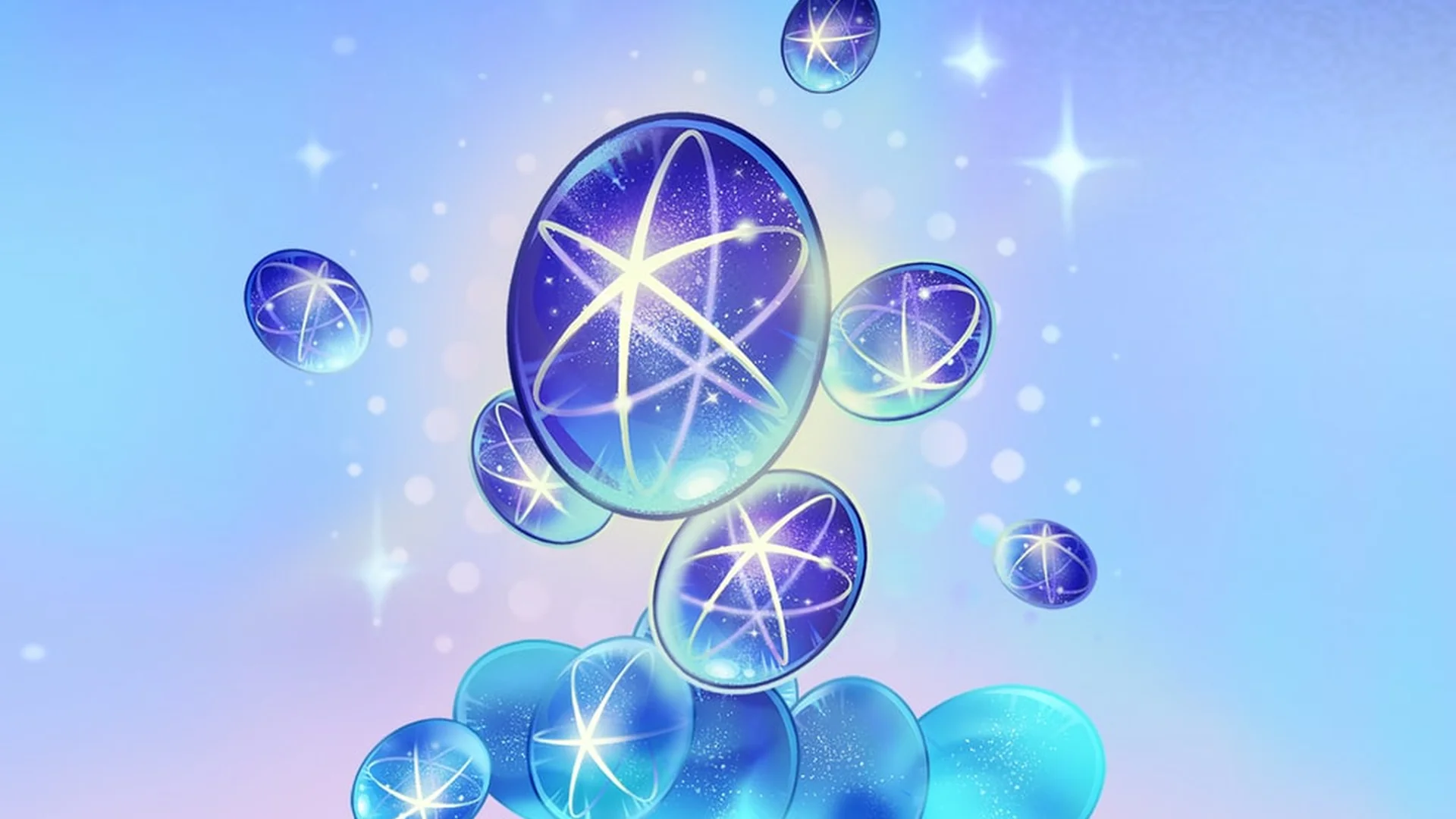
Wishes (gacha): Character event banners soft-pity around 75 pulls, hard guarantee at 90 for a 5★; weapon banners are harsher. Pity carries between same-banner types on character events; planning for guaranteed pulls is spreadsheet culture. Welkin Moon (~$5/month) and the Battle Pass remain the best value if you already play daily; direct Genesis Crystal top-ups for impulse pulls are the expensive path.
What free players sacrifice: narrower roster depth for Spiral Abyss floors 9–12, slower artifact optimization, and FOMO on limited skins and characters. What payers gain: comfort, collection, and faster abyss clears — not a different game. Compared to 2020 launch, login events and exploration rewards are more generous, but power creep in newer regions means returning F2P accounts need catch-up guides.
Value score lands at 7.0 not because the game is cheap — it can be very expensive — but because zero-spend story completion is still rare among gacha open worlds at this production tier. If you cannot tolerate randomness or daily timers, no sale fixes that.
Endgame and Live Service
Version updates arrive roughly every six weeks with new events, banners, and story beats. Spiral Abyss (resetting every two weeks) remains the tryhard benchmark; Stygian Onslaught and other modes rotate in for veterans. Weekly bosses, crafting loops, and artifact domains fill the resin budget. Events like Lantern Rite, Windblume, and nation-specific festivals reuse mini-game templates but often wrap them in charming lore and free pulls.
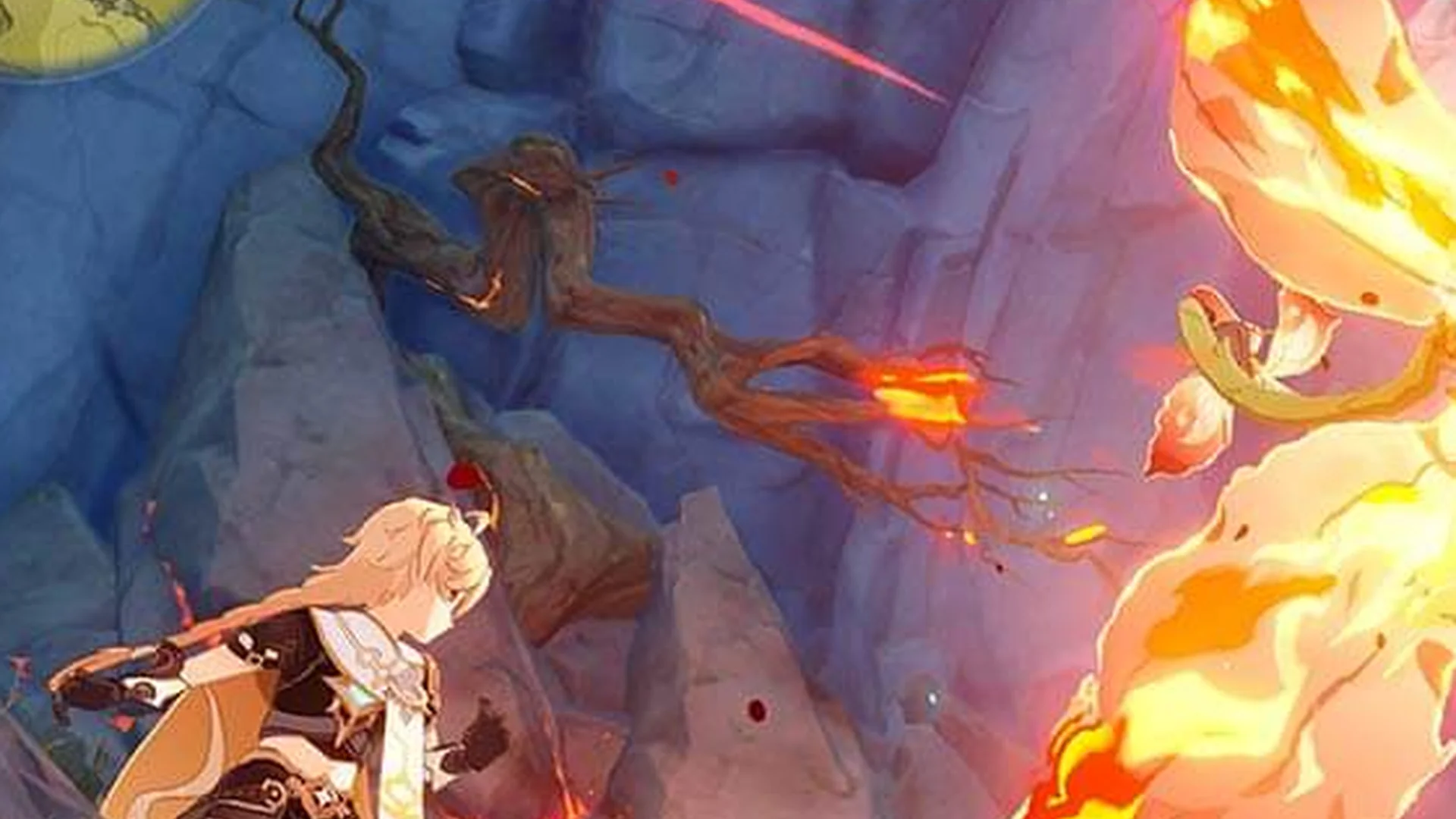
Returning after a year away means new nations, new elemental reactions, new weapon types, and missed limited banners — the game welcomes you back with recap quests but does not erase the grind. If live-service calendars feel like homework, the open world's magic fades no matter how pretty Natlan looks.
Who Should Start, Return, or Skip
Start or return now: Open-world explorers who love elemental puzzles; story fans who can tolerate patch-gated chapters; co-op friends who want low-stress domains; players with 30–60 minutes daily who accept resin as a coffee break timer; anyone curious about Liyue's cultural layer (pair with our Culture Hub).
Play casually / on the fence: Pure narrative tourists who will not grind artifacts; players allergic to gacha psychology; those who need a definitive ending date.
Skip: Daily-checklist haters; buyers wanting one upfront price and no FOMO; PvP or competitive ranked players; hardware below minimum that cannot hold 30 fps.
Genshin Impact in 2026 is still the open-world gacha to beat on art, exploration, and elemental combat — held back by resin economics, repetition in endgame loops, and the ever-present pull of limited banners. If that trade sounds fair, start at the Game Hub for download links, then treat our Liyue reading order and Game ↔ Tradition quick reference as optional enrichment once the harbor music hooks you. Compared to premium single-player adventures like Black Myth: Wukong, Genshin sells a longer, softer commitment — and for millions of players, that is still exactly the point.