Finished the Liyue Archon Quest and want more context? These books, websites, and documentaries are English-friendly entry points into the festivals, landscapes, and immortal lore that shape Genshin's China-inspired nation — none of them required to enjoy the game.
Start here (free and short)
On Dragon Forge
Liyue primer series
Read the rest of The World Behind Liyue modules, then bookmark the glossary.
Cross-game
Jianghu daily life
For martial-arts river towns and market culture, browse The Bustling World Culture hub.
Cross-game
Ghosts & exorcism
Hu Tao and Chongyun fans may like Black Myth: Zhong Kui on folk religion and zhiguai tales.
Classical texts (selections, not full homework)
- Classic of Mountains and Seas (山海经, Shān Hǎi Jīng) — A ancient bestiary of mountains, rivers, and strange creatures. Search for English excerpts online to see where Chinese fantasy gets its geography-of-wonders tone.
- Zhuangzi (庄子) selections — Taoist fables about transformation and freedom; useful mood-reading for adeptus who refuse mortal politics.
- Tang and Song poetry anthologies — Look up Li Bai and Su Shi in translation. Liyue's moon, wine, and mountain imagery shares their vocabulary.
Books in English
| Topic | Suggested starting points |
|---|---|
| Chinese religion & folk belief | General surveys like Chinese Religion: An Anthology of Sources (Oxford) — read the sections on immortals and local gods. |
| Festivals | Children's nonfiction and museum sites often explain Lantern Festival and Mid-Autumn clearly; good enough for game context. |
| Opera | Introductory guides to Peking opera — focus on face paint, role types (生旦净丑), and staged storytelling. |
| Trade history | Tang–Song maritime trade overviews; pairs with Liyue's harbor wealth and Ningguang's merchant empire. |
Watch and visit (visual learners)
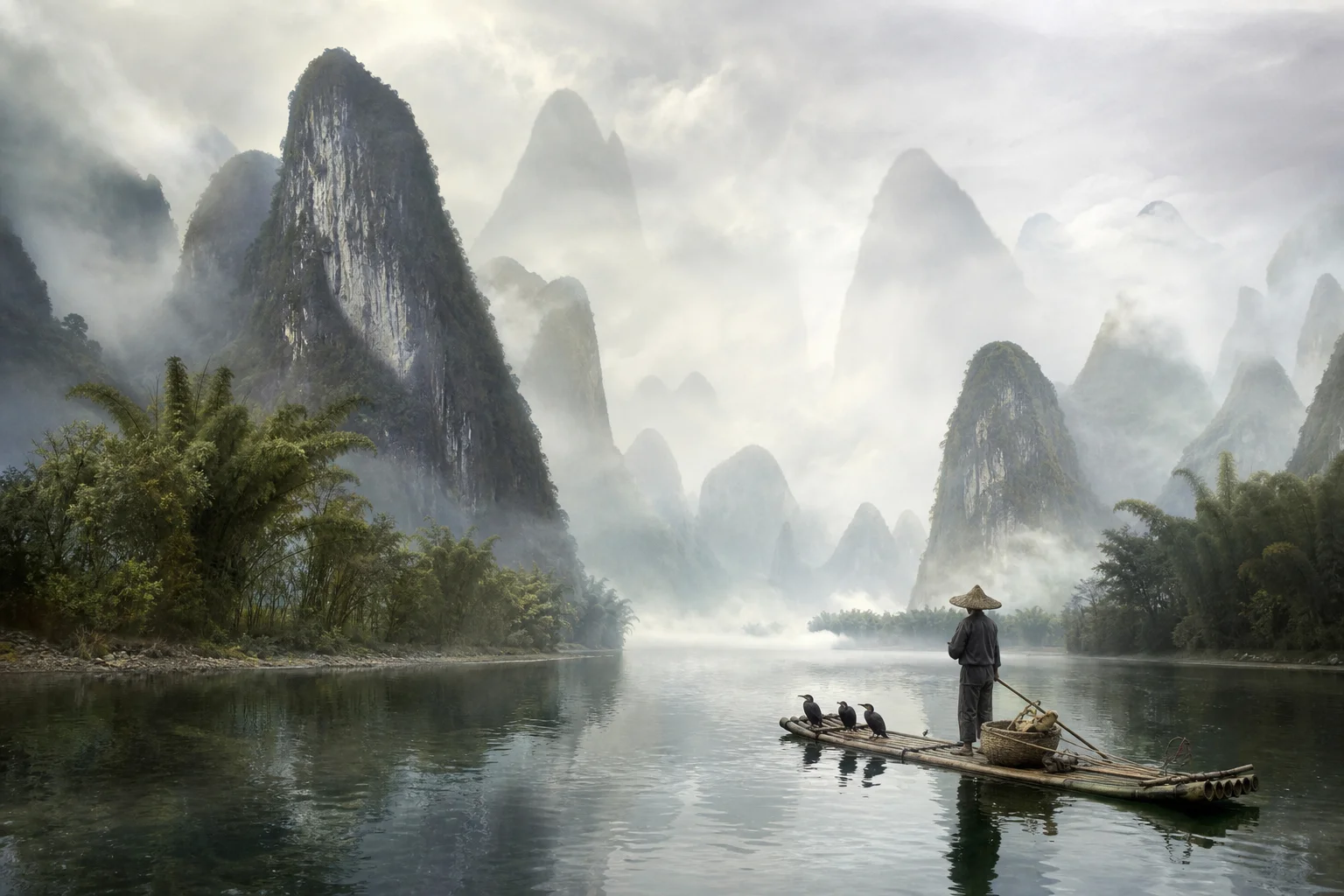
- Zhangjiajie National Forest Park — Official UNESCO and tourism documentaries show the pillar mountains that inspired Liyue's cliffs.
- Guilin karst river footage — Mist, bamboo rafts, and limestone peaks — the classic "Chinese landscape painting in real life" shot.
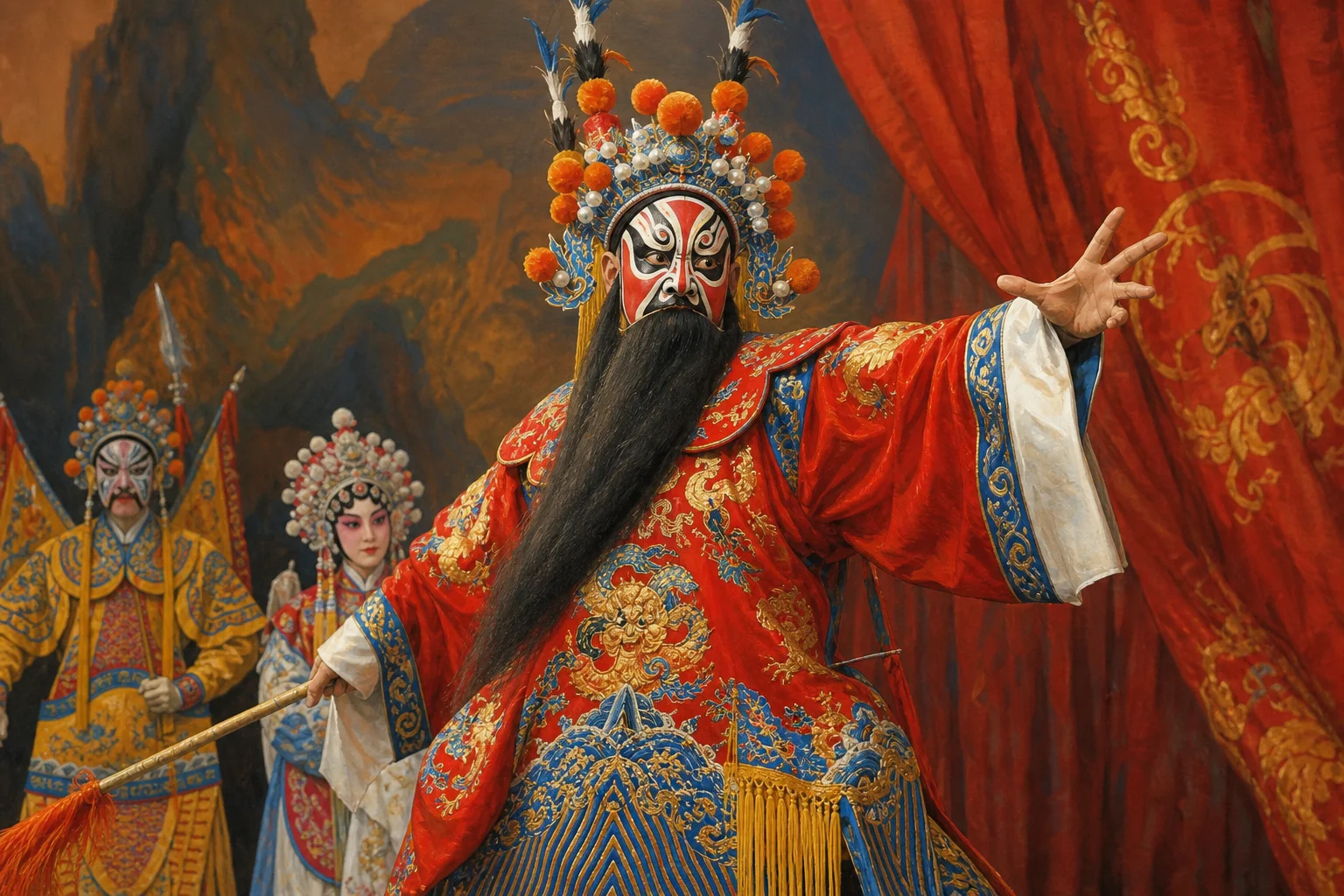
- Peking opera clips with subtitles — YouTube performances of famous excerpts; compare stage movement to Yun Jin's animations.
- Sanxingdui / museum documentaries — Not Liyue canon, but useful if you also play other Chinese myth games and want archaeological context.
Suggested reading order by interest
Festivals first
Festival primer → museum Mid-Autumn / Lantern Festival pages → Tang poem about the moon
Characters first
Adepti & yaksha article → glossary → opera or TCM intro depending on favorite character
Landscapes first
Zhangjiajie / Guilin documentary → shanshui painting collection → Liyue exploration soundtrack
What to skip for now
You do not need fluent Chinese, a dynasty timeline, or miHoYo's internal lore documents to appreciate Liyue's cultural layer. Skip academic debates about whether a specific god "is" a specific deity from Investiture of the Gods unless you enjoy that rabbit hole — Genshin rarely confirms one-to-one mappings.
Keep the Liyue glossary handy while you read or watch — names make more sense when you can look them up in ten seconds.