No spoilers
Glossary: Names, Terms & Translations
Quick lookups for Shadow Realm, kungfupunk, jianghu, Soul, Guai Mian, and other terms you'll meet in Phantom Blade Zero and our Culture series.
8 min read
Read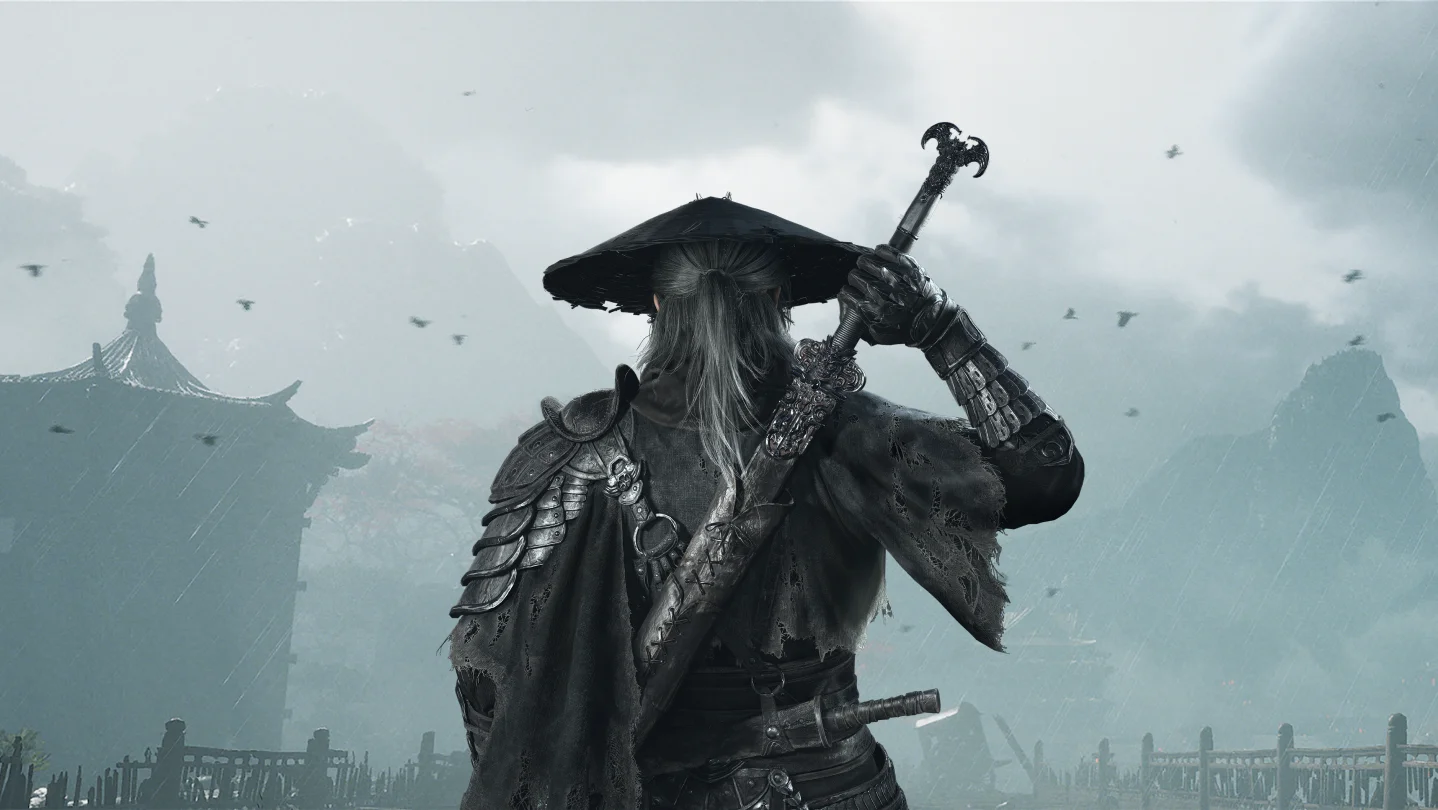
PHANTOM BLADE
Phantom Blade Zero is a dark wuxia action RPG from Guangzhou-based S-GAME Studio, independently developed and published under S-GAME Publishing. Built in Unreal Engine 5 with state-of-the-art motion capture inspired by Hong Kong's Golden Age of martial arts cinema, the game fuses classic wuxia storytelling with fast,…
Culture
Phantom Blade Zero drops you into Shadow Realm — a kungfupunk martial world where ancient codes collide with steam, machinery, and corrupted flesh. You play as Soul, a warrior framed for his master's death, given sixty-six days to live, hunted by former comrades, and caught in a conspiracy that spans the jianghu. The game fuses Hong Kong martial-arts cinema, classic wuxia storytelling, and weapon-driven combat where every blade carries a cultural logic. You don't need a shelf of novels to play, but knowing what jianghu and the xia code actually mean, why soft swords and mo blades feel so different, and what "kungfupunk" is trying to do will make every duel and betrayal land differently. Start with our primer series below.
What jianghu actually means, how Chinese martial-arts fiction differs from Western fantasy and soulslike habits, and the genre vocabulary you will keep seeing in Phantom Blade Zero.
How Phantom Blade Zero fuses wuxia, steampunk, and mysticism into Shadow Realm — and why S-GAME calls it kungfupunk rather than a simple aesthetic mash-up.
The Rainblood and Phantom Blade lineage — who S-GAME is, how Soul traveled from a student indie RPG to UE5 kungfupunk action, and whether newcomers need the back catalog (no).
Which PBZ elements come from wuxia genre convention, martial and cinematic sources, and Shadow Realm fiction — updated as official materials release.
Wuxia novels, Hong Kong martial-arts films, and English-friendly resources for Phantom Blade Zero fans — curated for jianghu fiction and kungfupunk mood, not homework.
Editorial culture guides by Dragon Forge. Game names and trademarks belong to their respective owners; mythic source material is in the public domain.