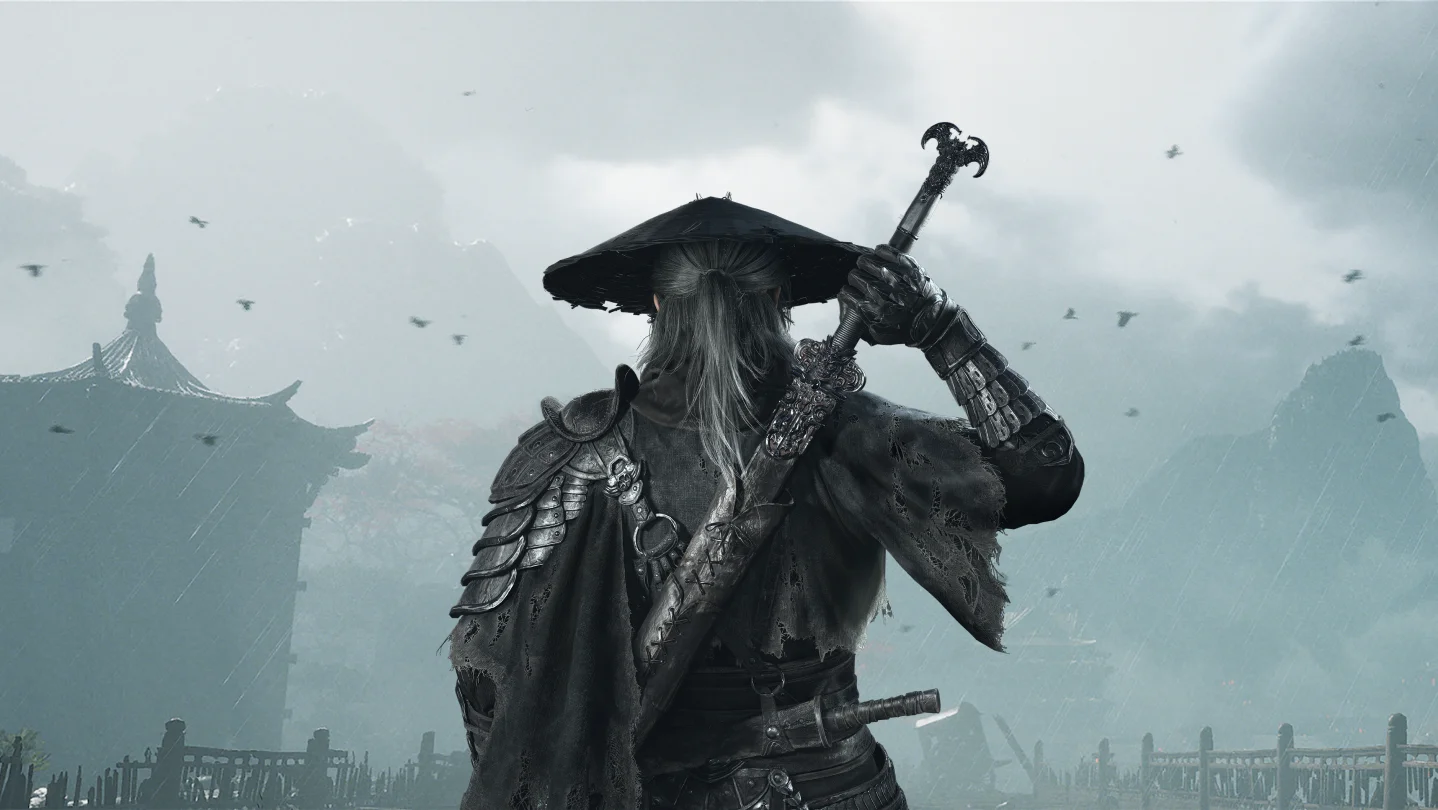

You now know Phantom Blade Zero is not adapting one novel — it is a kungfupunk action RPG wearing wuxia, Hong Kong cinema, and Rainblood IP on its sleeves. Where next? These picks focus on what the game actually echoes: martial-arts fiction, jianghu social drama, and golden-age HK fight cinema. You do not need classical Chinese fluency to start (good translations and subtitles go a long way). Play first; dip into a resource when a weapon, betrayal, or steam-lit alley sparks curiosity.
Start here (English-friendly)

- Finish Dragon Forge module A — our five primers on this Culture hub (~35 min total). They replace a semester of jargon.
- Jin Yong (金庸) — start with The Legend of the Condor Heroes (射雕英雄传) in Anna Holmwood's English translation. Sect politics, stolen manuals, and grudges are the closest literary neighbor to Soul's conspiracy pressure.
- Tsui Hark's New Dragon Gate Inn (《新龙门客栈》, 1992) — desert inn, shifting alliances, lethal charisma. Cited by Liang Qwei; trains the eye for jianghu politics under stress.
- Ann Hui's Blade (《刀》, 1995) — bleak, tactile swordplay; mood reference for PBZ's darker martial tragedy.
Wuxia novels & short fiction
Epic scale
Jin Yong 金庸
Condor Trilogy, The Heaven Sword and Dragon Saber — sect rivalry, inheritance, history-shaped jianghu. English translations are partial but growing.
Lean & moody
Gu Long 古龙
Dialogue-driven loners, tavern duels, existential knights-errant — closer to noir than epic war. Try film adaptations if full translations are hard to find.
Classic films first
Hong Kong wuxia cinema
PBZ's combat DNA is cinematic as much as literary — see the film section below before forcing yourself through a 1,000-page novel.
- Liang Yusheng (梁羽生) — historical wuxia with firmer dynasty anchoring; useful contrast to Shadow Realm's fiction-first map
- John Christopher Hamm — Paper Swordsmen: Jin Yong and the Modern Chinese Martial Arts Novel — readable context on what wuxia became in the 20th century
- Online: Wuxiaworld and similar archives host fan translations — check legality and completion status per title
Hong Kong martial-arts cinema (PBZ's cited shelf)
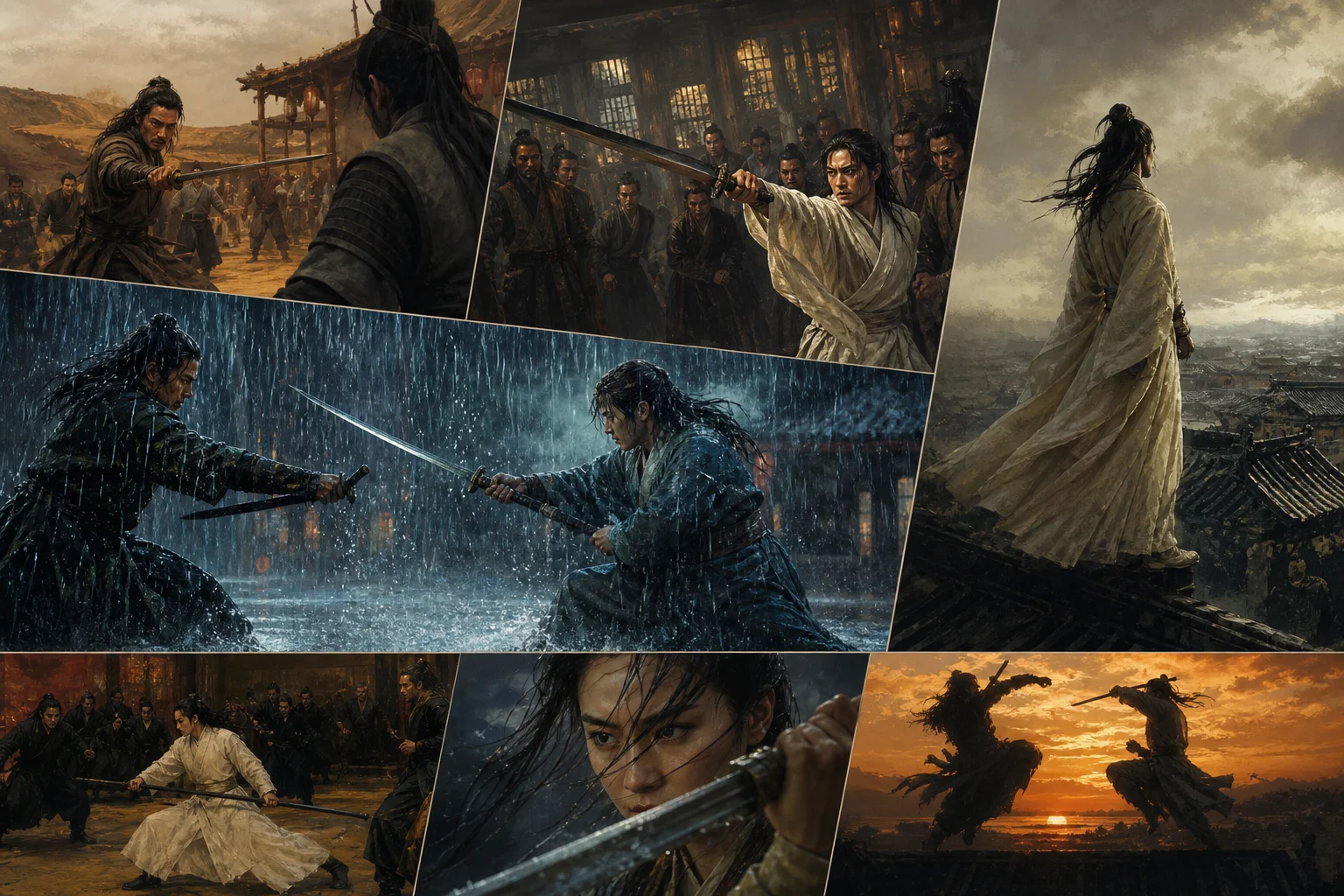
- New Dragon Gate Inn (《新龙门客栈》) — inn as jianghu pressure cooker
- Blade (《刀》) — harsh, close-quarters sword tragedy
- The Legend of the Swordsman (《笑傲江湖之东方不败》) — operatic power, gender play, lethal grace
- King Hu classics (Come Drink with Me, A Touch of Zen) — spatial choreography and wandering knights
- Chor Yuen / Shaw Brothers wuxia — stage-like duels and costume symbolism — optional once the above clicks
Watch with subtitles; ignore dub voice tracks for mood. Notice rhythm — feints, pauses, sudden hardness — not just flashy poses. That timing is what PBZ's motion-capture pitch chases.
Influence shelf (optional — not PBZ canon)
Interviews also mention anime and manga for body horror and identity themes: Battle Angel Alita, Ghost in the Shell, Berserk, Vampire Hunter D. Use them to understand why PBZ asks soul-and-body questions — not to predict Shadow Realm geography.
Documentaries & practical martial arts
- YouTube / streaming: Documentaries on Hong Kong action choreography (behind-the-scenes of wire work and weapon training)
- Weapon primers: Short explainers on jian (straight sword), dao (sabre), soft sword, and pole arms — pairs with our upcoming weapons Culture series
- Museum & archive: Hong Kong Film Archive public programs; martial arts history exhibits when traveling
What to skip (for now)
- Journey to the West deep dives — PBZ is not Sun Wukong territory unless you want general Chinese myth literacy
- Mobile Phantom Blade wiki rabbit holes — optional for series fans; not required before launch
- Spoiler-heavy Rainblood plot summaries — read Dead Town outlines only if you want IP context; PBZ rebuilds Shadow Realm
- Mechanics wiki grind — Dragon Forge Culture explains context; leave combo data to post-launch guides
Pick your path
| If you want… | Try first |
|---|---|
| Jianghu social logic | Module A primers + Jin Yong (Condor Heroes vol. 1) |
| Why combat feels cinematic | Blade + New Dragon Gate Inn |
| Kungfupunk mood | What Is Kungfupunk? + Ghost in the Shell (1995 film) |
| IP history | Rainblood → PBZ article |
| Quick terms while playing | Glossary |
Where to go next
You now have a short shelf for life after the primers. Keep the glossary open while you play — and watch for deeper Culture modules on weapons, Soul's conspiracy, and Guai Mian as post-launch story confirms details.