Part 1 of 5No spoilers
Zhong Kui & Ghost-Catching Folklore in 10 Minutes
Who Zhong Kui is, why Chinese families still put his image on doors, and how he became the demon-quelling judge behind the game.
10 min read11 views
Read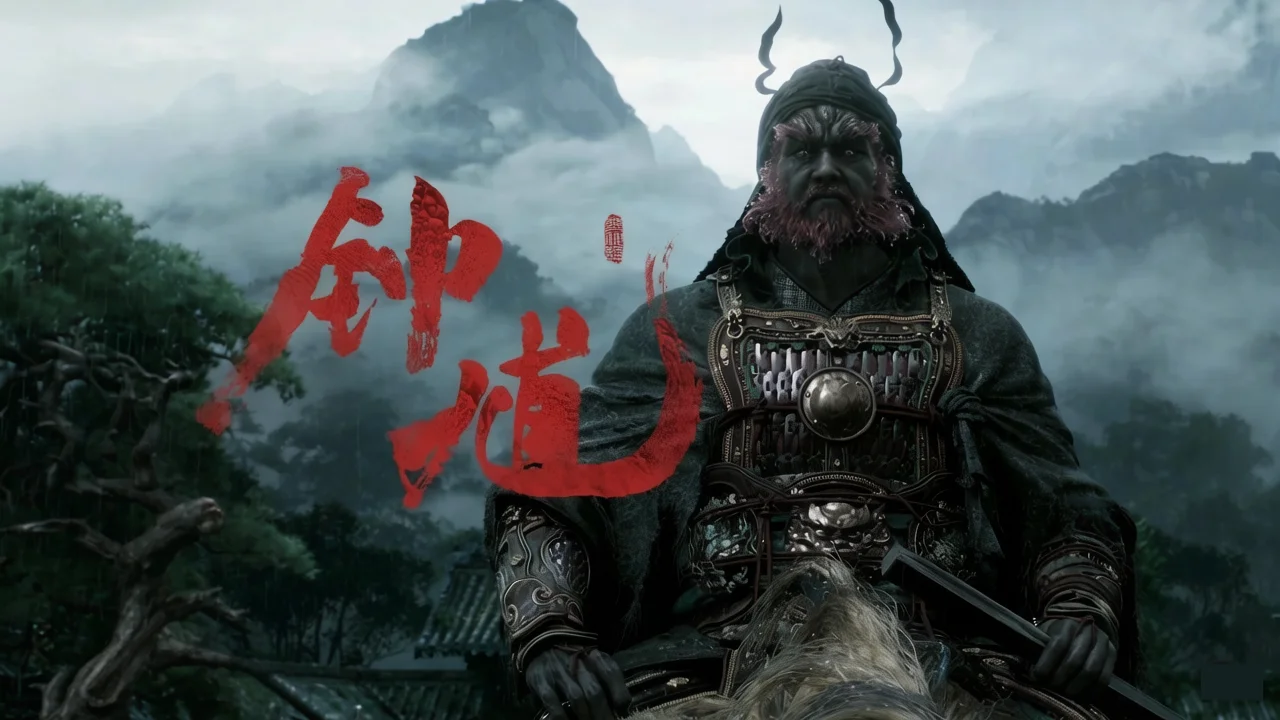
BLACK MYTH
Game Science’s next Black Myth hero — ghost-catching folklore, zhiguai strange tales, and a judge who still hangs on Chinese doors.
Culture
Black Myth: Zhong Kui draws on centuries of Chinese ghost-catching folklore and *zhiguai* — the tradition of strange tales where the living, the dead, and the uncanny share one world. You don't need to know Tang Dynasty history or read classical Chinese stories to follow the game, but understanding Zhong Kui, the underworld, and why his image still hangs on doors today will make every encounter land differently. Start with our primer series below.
Who Zhong Kui is, why Chinese families still put his image on doors, and how he became the demon-quelling judge behind the game.
How Diyu, the Ten Courts, and local gods fit together in folk belief — and why Zhong Kui patrols the border between the living and the dead.
From Soushen Ji to Liaozhai — how centuries of short uncanny tales shape Black Myth: Zhong Kui's creative foundation.
A living doc of confirmed facts, teaser motifs, and open questions — updated as Game Science releases new material.
Translations, opera, art, and online starting points for exploring Zhong Kui folklore without a single canonical novel.
Editorial culture guides by Dragon Forge. Game names and trademarks belong to their respective owners; mythic source material is in the public domain.