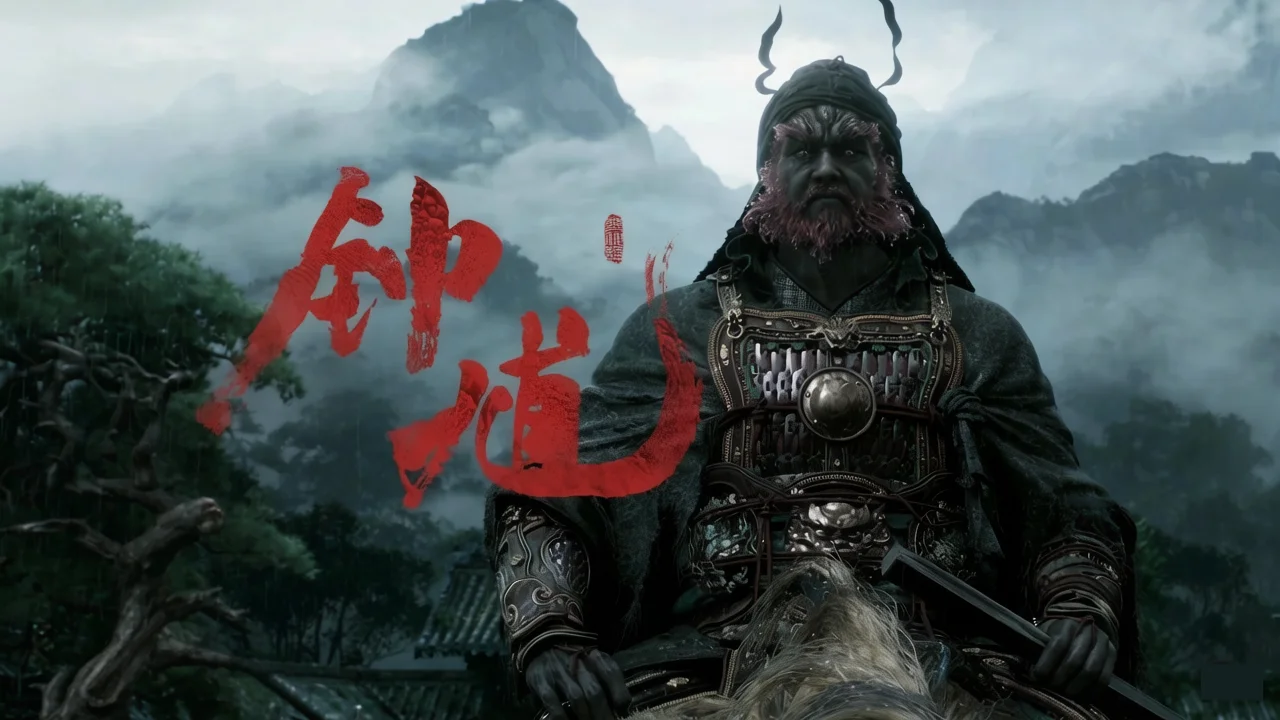
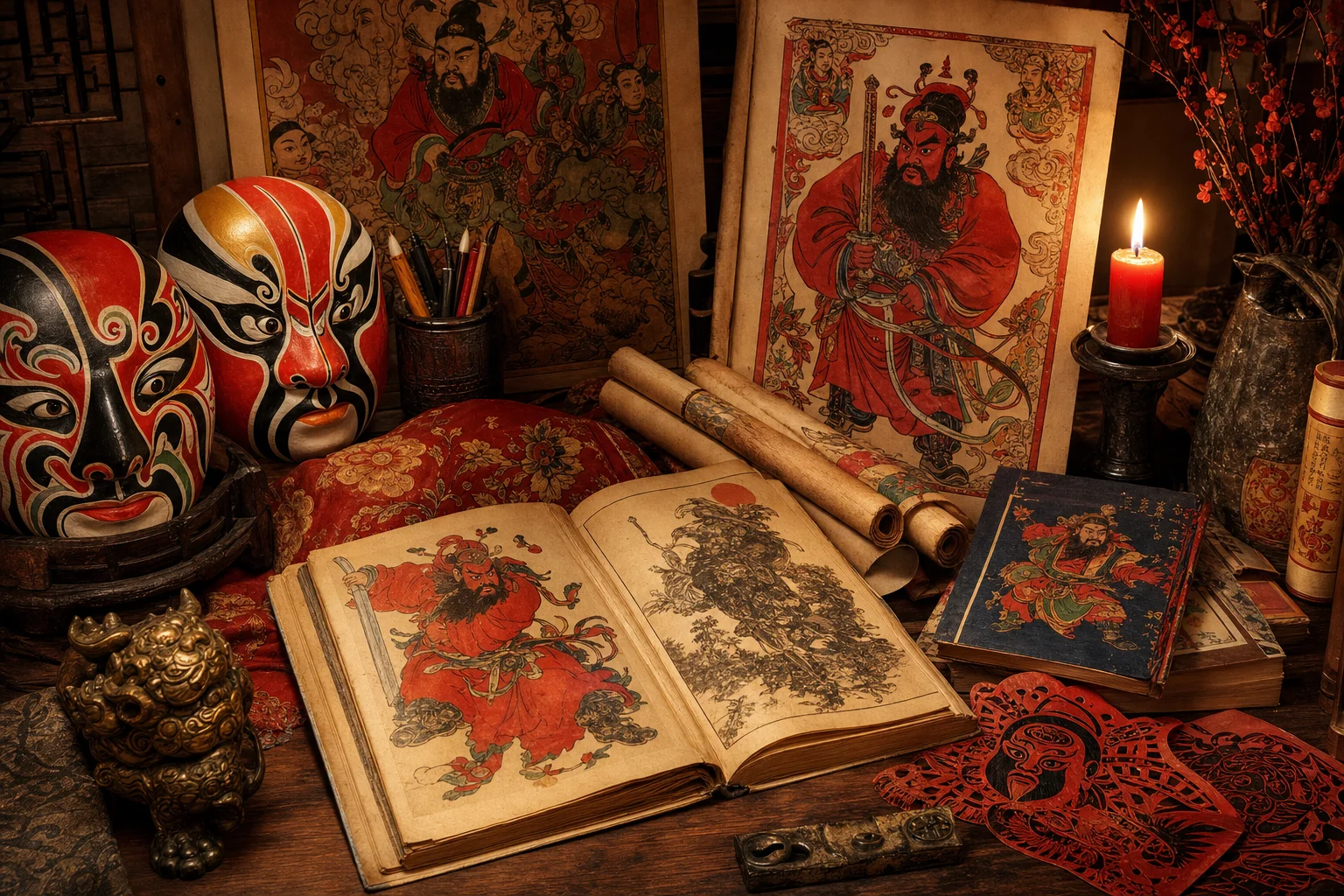
Black Myth: Zhong Kui pulls from folklore clouds, not one assigned book. This guide points you to translations, art, and screen versions worth your time — without turning culture into homework while the game is still in early development.
You do not need a canon checklist
Unlike Journey to the West, there is no standard 100-chapter edition everyone agrees on for Zhong Kui. Start with our 10-minute primer series, follow official trailers, then dip into the resources below when a name or image sticks with you.
Low commitment
Culture primers + glossary — 30 minutes total, no spoilers
Medium
Selected zhiguai translations + opera clips on video sites
Deep dive
Full Strange Tales from a Chinese Studio + museum collections of New Year prints
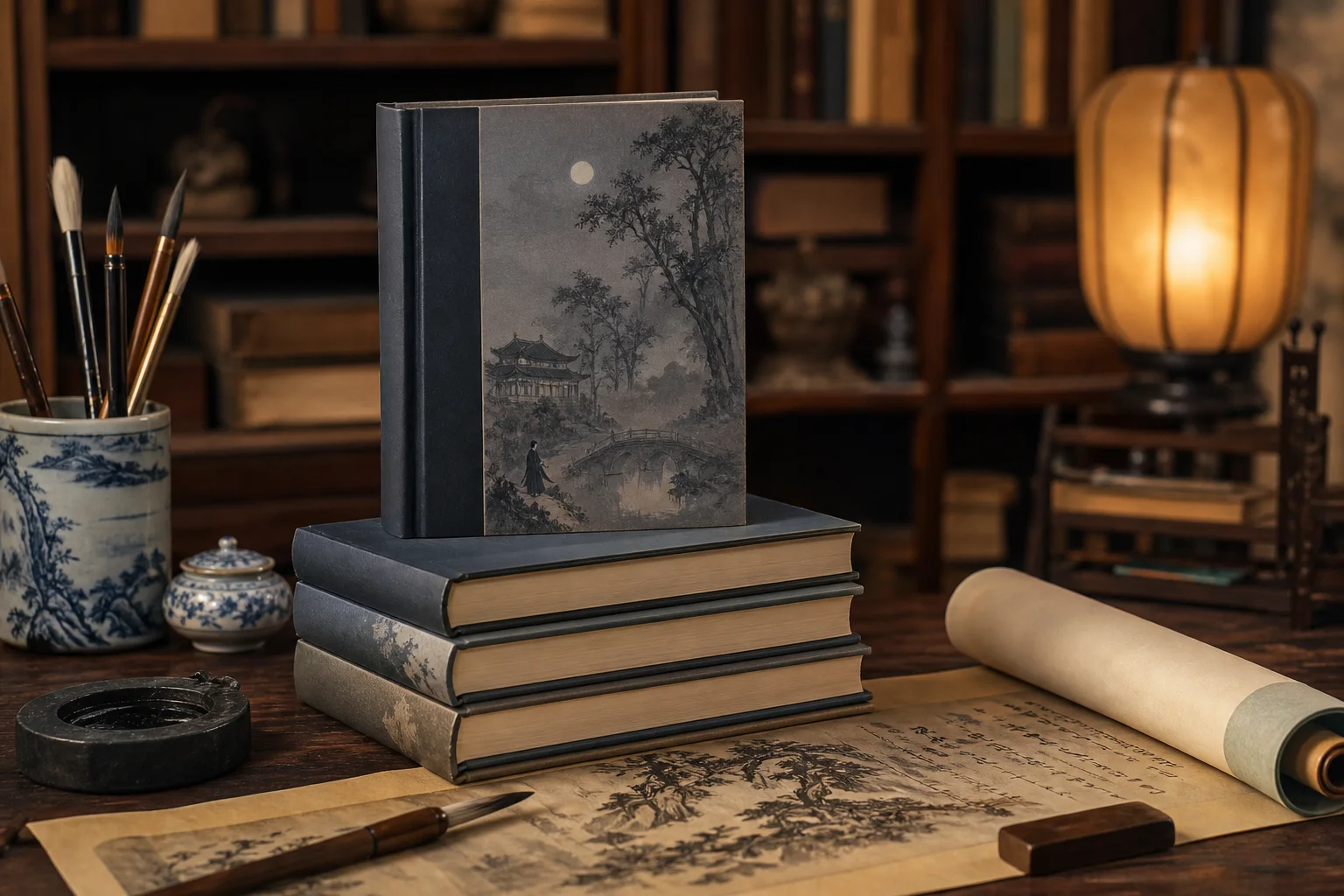
English translations worth knowing
Gateway zhiguai
Strange Tales from a Chinese Studio
Pu Songling's Liaozhai (聊斋志异) — fox spirits, ghost lovers, corrupt officials undone by the uncanny. Multiple English translations exist; abridged editions are fine for sampling motifs before committing to the full corpus.
Early anthology
In Search of the Supernatural
Selected tales from Soushen Ji (搜神记) — shorter, older, stranger. Good for seeing where the genre started: ghosts recorded like news items.
Context
Academic surveys
Look for university-press titles on Chinese folk religion or zhiguai fiction when you want footnotes, not story speed. Search terms: “zhiguai,” “Chinese ghost culture,” “Pu Songling.”
On stage and screen
Zhong Kui lives in performance — often more vividly than in any one book.
| Medium | What to look for | Why it helps |
|---|---|---|
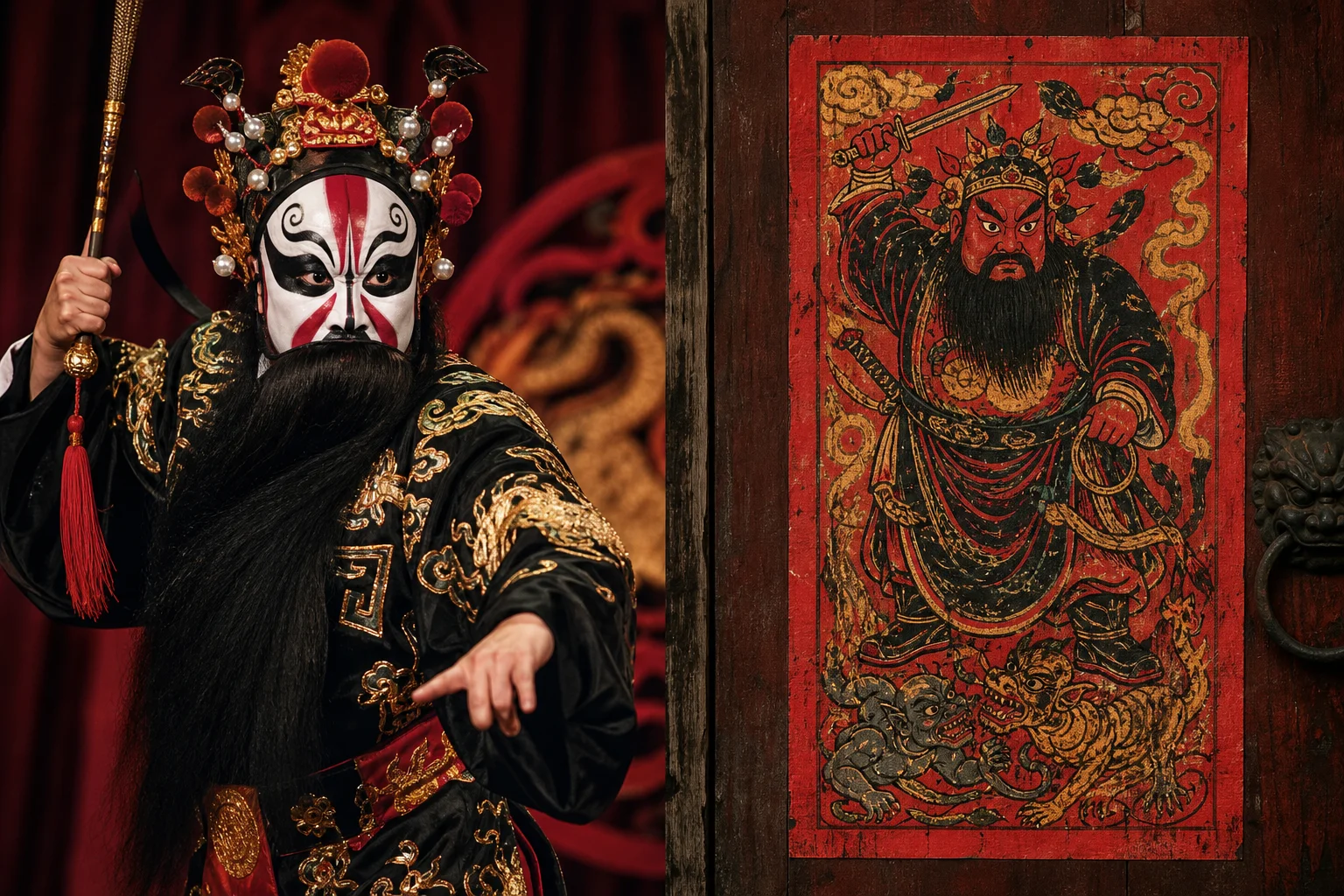
| Peking & regional opera | Zhong Kui Slaying Ghosts (钟馗捉鬼), Marries Off His Sister (钟馗嫁妹) | Iconic movement, face paint, and sword work — direct visual DNA for the game |
| TV & film adaptations | Search Zhong Kui + 捉鬼; quality varies | Quick mood references; treat as interpretation, not canon |
| Animation & short films | Festival pieces, museum commissions | Good for iconography refresh — beard, attendants, tigers |
| Game Science teasers | Official CG and future gameplay trailers | Primary source for what this Black Myth actually adapts |
Art you can see without reading
If books feel slow, museums and print shops deliver the same cultural shorthand:
- New Year woodblock prints (年画) — door gods and Zhong Kui portraits meant for household protection.
- Temple murals — underworld courts, Yama kings, Impermanence envoys in vivid serial panels.
- Ink painting — Wu Daozi's legendary Zhong Kui portraits spawned centuries of copies; look for “Zhong Kui night tour” themes.
- Exorcism festival photography — Dragon Boat and ghost-month customs still photographed across Fujian, Taiwan, and other regions.
Short reads online
While you follow the project
- → Wikipedia — Zhong Kui — fast biography of the folk figure.
- → Wikipedia — Zhiguai — genre overview and major collections.
- → Our living game-info doc — what is confirmed vs. teaser speculation.
- → Dragon Forge glossary — names, pinyin, one-line meanings (Ctrl/Cmd+F friendly).
Suggested order
A path that works for players watching from announcement to release:
- Read the full World Behind Black Myth: Zhong Kui primer series on this hub — about 30 minutes.
- Rewatch the official CG teaser with folklore terms from the primers in mind.
- Sample one opera scene or three Liaozhai stories — enough to feel the tone.
- Browse New Year print images online when you want pure iconography without plot.
- Keep the glossary open when new trailers drop names or Chinese text.
- Return here as we publish deeper character, ritual, and quick-reference guides in later phases.
The game is still writing its story. Folklore already gave it atmosphere — your job is to enjoy both layers without rushing a reading list.