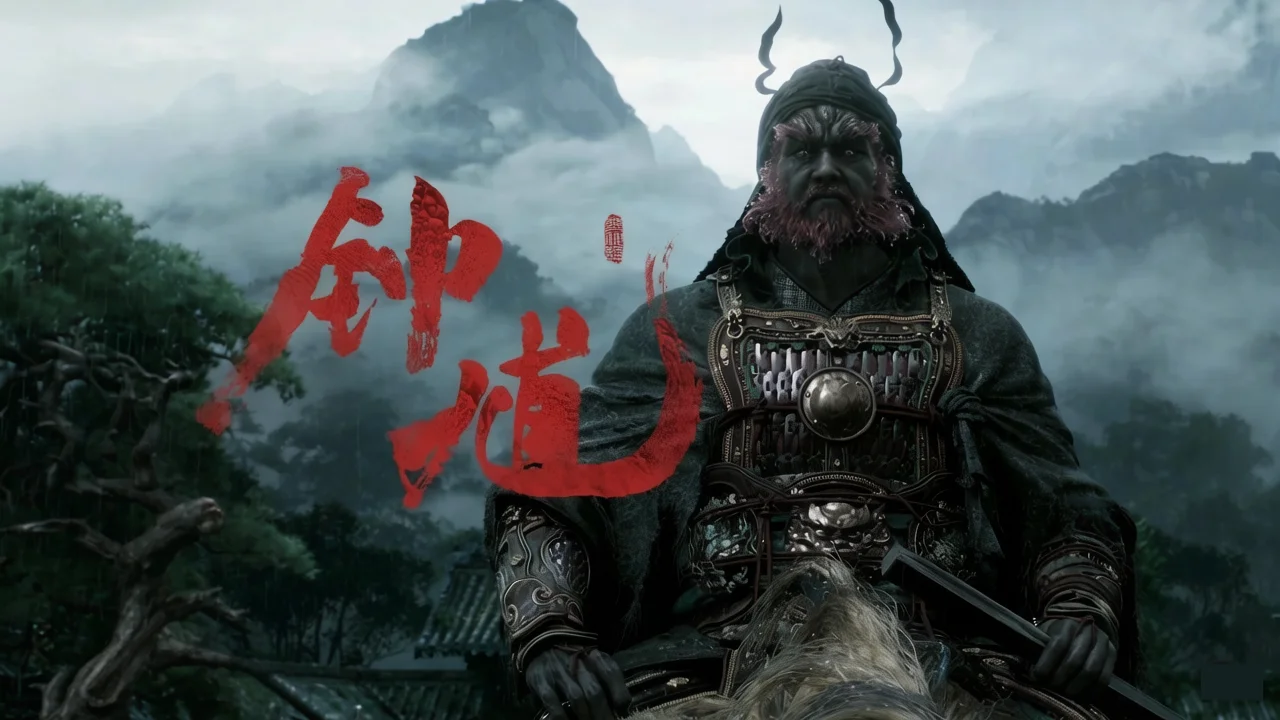
Each entry lists English, Chinese characters, pinyin, and a one-line meaning. This glossary will grow as we publish more Culture articles for Black Myth: Zhong Kui.
How to use this glossary
While playing
Hear a strange name twice? Search here before pausing for a full article.
Pinyin tip
Tone marks matter for pronunciation — they are included for accuracy, not decoration.
New here?
Start with Zhong Kui & Ghost-Catching Folklore in 10 Minutes.
Core figures
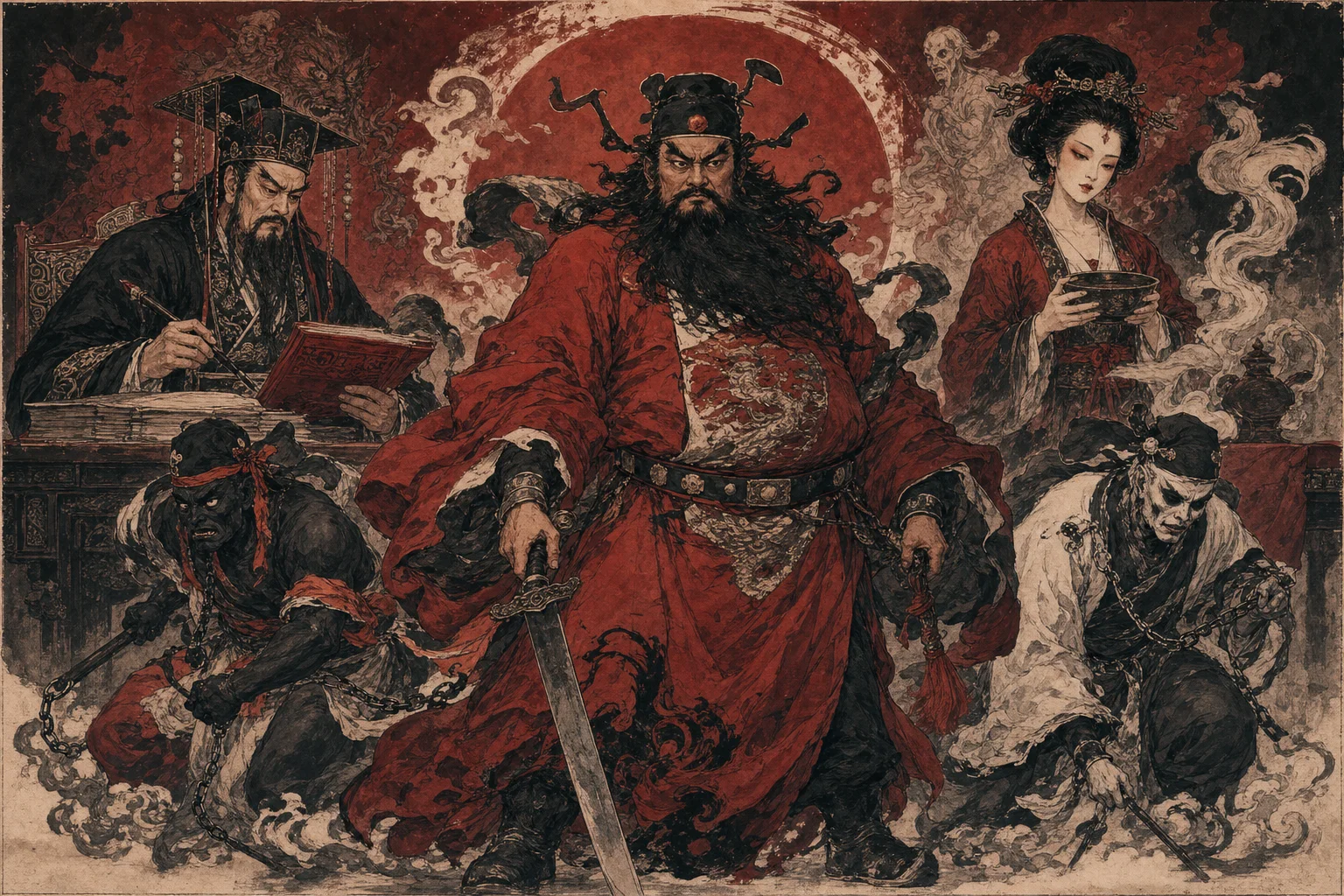
| English | Chinese | Pinyin | Meaning |
|---|---|---|---|
| Zhong Kui | 钟馗 | Zhōng Kuí | Folk demon queller; game's inspirational hero |
| Emperor Xuanzong | 唐玄宗 | Táng Xuánzōng | Tang emperor in the dream origin legend |
| King Yan / Yama | 阎罗王 | Yánluó Wáng | Chief judge of the dead; head of underworld courts |
| Judge (panguan) | 判官 | pànguān | Underworld official who reads souls' ledgers — not Zhong Kui |
| Impermanence (Black & White) | 黑白无常 | Hēibái Wúcháng | Paired envoys who escort souls to the underworld |
| Ox-Head & Horse-Face | 牛头马面 | Niútóu Mǎmiàn | Beast-faced underworld guards and messengers |
| Meng Po | 孟婆 | Mèng Pó | Serves the broth of forgetfulness at Naihe Bridge |
| City God | 城隍 | chénghuáng | Patron deity of a city or district |
| Earth God | 土地 | tǔdì | Local land guardian; village-level shrine deity |
| Wu Daozi | 吴道子 | Wú Dàozǐ | Legendary Tang painter credited with iconic Zhong Kui portraits |
Places & realms
| English | Chinese | Pinyin | Meaning |
|---|---|---|---|
| Underworld | 阴间 | yīnjiān | Realm of the dead; shadow counterpart to living world |
| Diyu / Earthly Mansion | 地府 | dìfǔ | Folk name for the bureaucratic afterlife |
| Ghost Gate | 鬼门关 | Guǐmén Guān | Threshold where dead enter the underworld path |
| Yellow Springs | 黄泉 | huángquán | Poetic name for the land of the dead |
| Naihe Bridge | 奈何桥 | Nàihé Qiáo | Bridge souls cross before rebirth; Meng Po waits here |
| Ten Courts of Yama | 十殿阎罗 | Shí Diàn Yánluó | Ten judgment halls sorting souls by sin |
| Zhongnan Mountain | 终南山 | Zhōngnán Shān | Mountain linked to Daoist exorcist versions of Zhong Kui |
| Chang'an | 长安 | Cháng'ān | Tang capital; architectural motif in teaser imagery |
Creatures & spirits
| English | Chinese | Pinyin | Meaning |
|---|---|---|---|
| Ghost | 鬼 | guǐ | Spirit of the dead; may be benign or vengeful |
| Demon / evil ghost | 厉鬼 · 妖魔 | lìguǐ · yāomó | Harmful spirits Zhong Kui hunts |
| Yaoguai | 妖怪 | yāoguài | Supernatural being; overlaps with Wukong lore |
| Fox spirit | 狐妖 | húyāo | Classic zhiguai shapeshifter |
| Little ghost / demon servant | 小鬼 | xiǎoguǐ | Attendant spirits; often shown serving Zhong Kui |
Concepts, rituals & literature
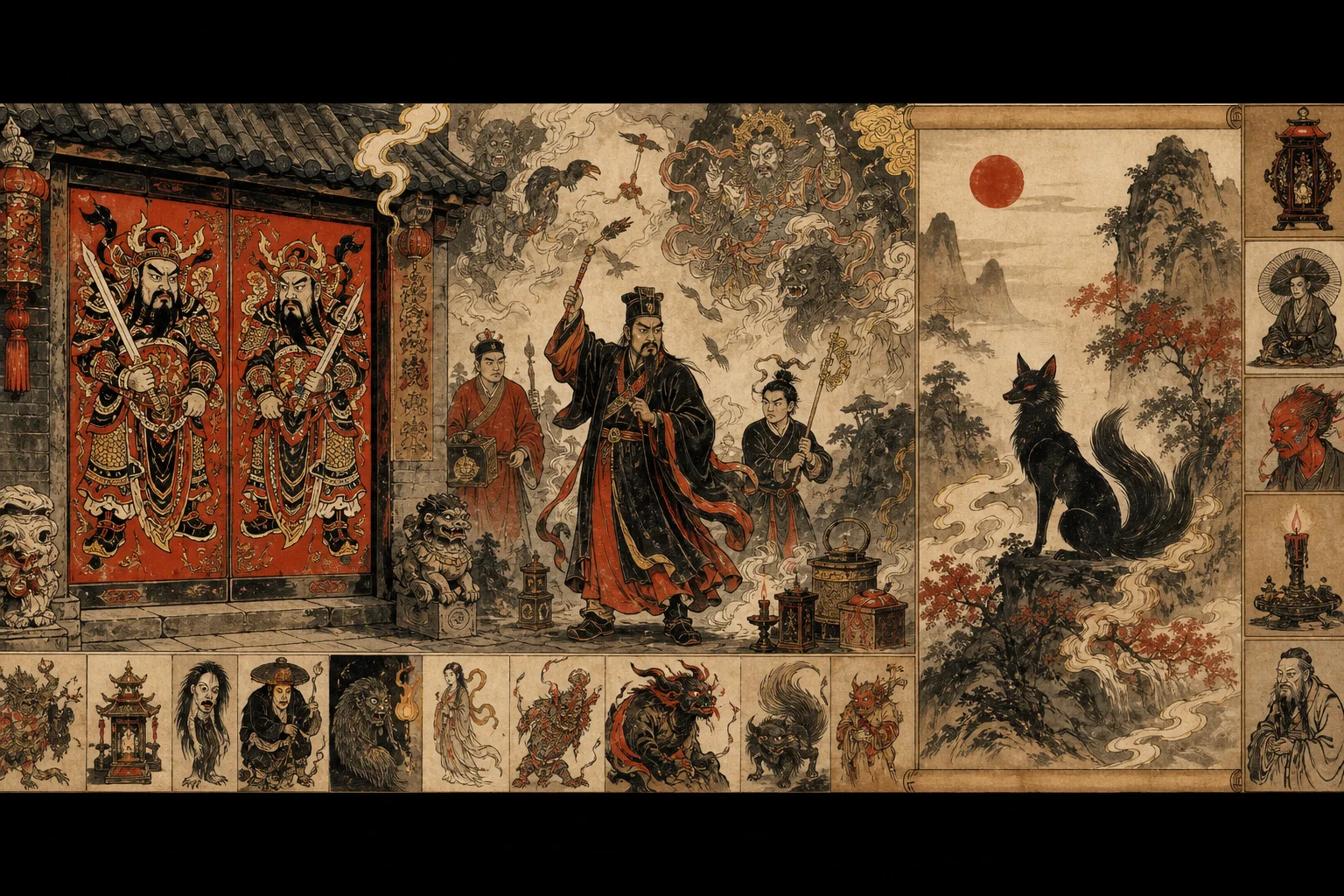
| English | Chinese | Pinyin | Meaning |
|---|---|---|---|
| Ghost catching | 捉鬼 | zhuō guǐ | Hunting harmful spirits; core Zhong Kui activity |
| Ghost-slaying sword | 斩鬼剑 | zhǎn guǐ jiàn | Zhong Kui's signature blade in folklore and teaser |
| Door god | 门神 | ménshén | Protective deity pasted on doors; Zhong Kui often serves this role |
| New Year print | 年画 | niánhuà | Woodblock folk art; common medium for Zhong Kui portraits |
| Imperial examination | 科举 | kējǔ | Civil service exam at the heart of the origin legend |
| Reincarnation | 轮回 | lúnhuí | Cycle of rebirth after underworld judgment |
| Zhiguai | 志怪 | zhìguài | “Records of the strange” — supernatural tale tradition |
| Strange Tales from a Chinese Studio | 聊斋志异 | Liáozhāi Zhìyì | Pu Songling's famous zhiguai collection |
| Records of the Search for Spirits | 搜神记 | Sōushén Jì | Early zhiguai anthology (Gan Bao) |
| Zhong Kui Slaying Ghosts | 钟馗捉鬼 | Zhōng Kuí zhuō guǐ | Title of famous opera and painting theme |
| Zhong Kui Marries Off His Sister | 钟馗嫁妹 | Zhōng Kuí jià mèi | Beloved folk tale of sibling duty after death |
More reference coming
- → Phase 2 adds character deep-dives and a Game Clues ↔ Folklore quick reference table.
- → Shared terms with Black Myth: Wukong? See the Journey to the West glossary.
- → Spot a missing term? It likely appears in a future Culture article first, then lands here.