
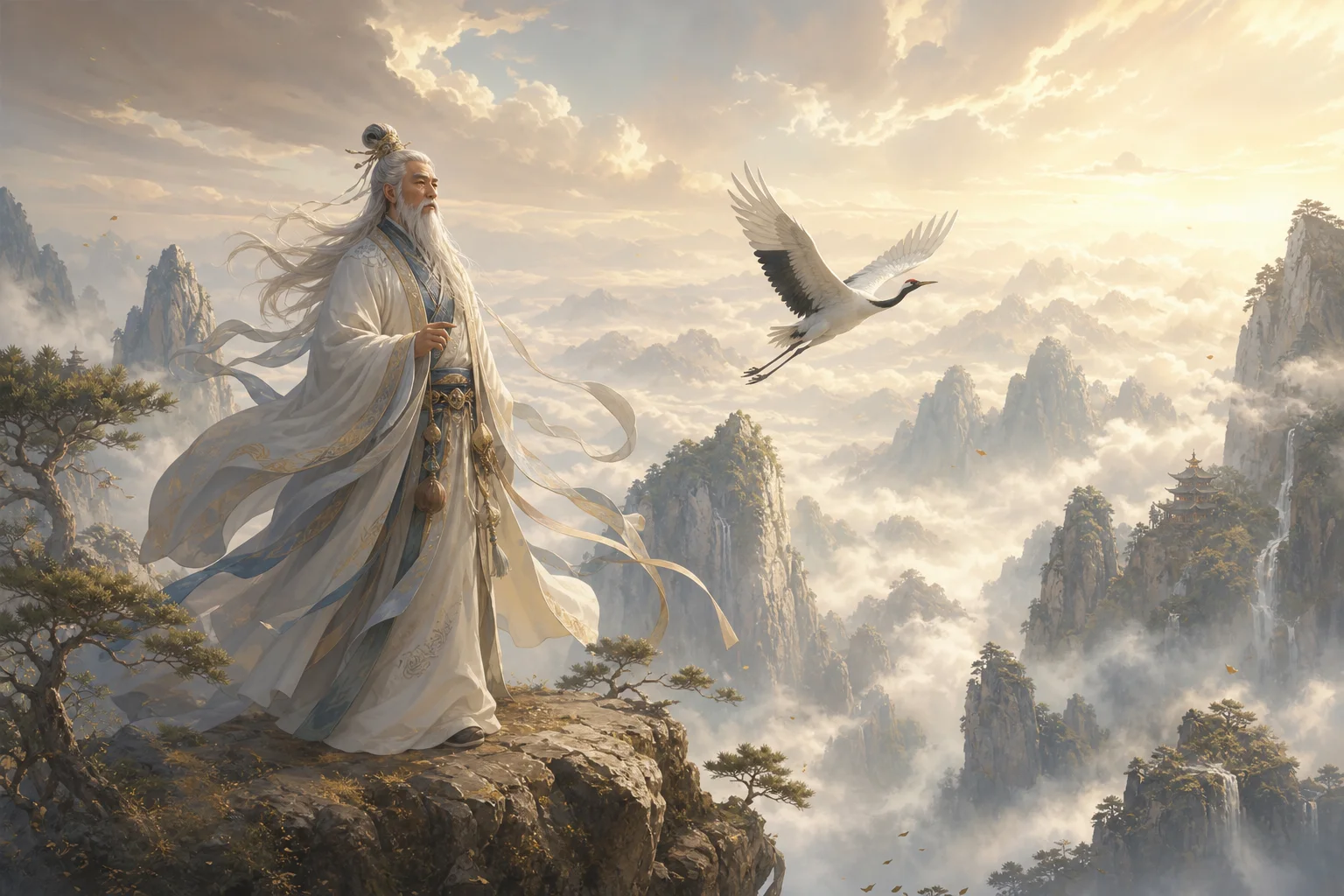
Liyue's story talks constantly about adepti (仙人) in the mountains and yaksha (夜叉) who hunt evil. Those words come from centuries of Chinese religion and folklore — Taoist immortals, Buddhist guardian spirits, and folk tales about hermits who never age. Here is what they mean outside the game, and why Genshin puts them at the center of Liyue.
Adepti: the mountain immortals
In Chinese tradition, a xian (仙) — often translated "immortal" — is a being who transcends ordinary human limits through cultivation, divine gift, or ascetic practice. Taoist texts describe them living in cave heavens (洞天) and blessed lands (福地) hidden inside famous mountains.
Genshin uses the term adepti for Liyue's immortal guardians. Characters like Cloud Retainer (留云借风真君) and Mountain Shaper (理水叠山真君) behave like classical immortals: eccentric, ancient, bound by oaths, and reluctant to meddle in mortal commerce unless a contract demands it.
Game term
Adepti — Liyue's contracted immortals
Chinese root
仙人 (xiān rén) — "immortal person"
Typical traits
Long life, mountain seclusion, magical crafts, strict vows
Half-adepti and disciples
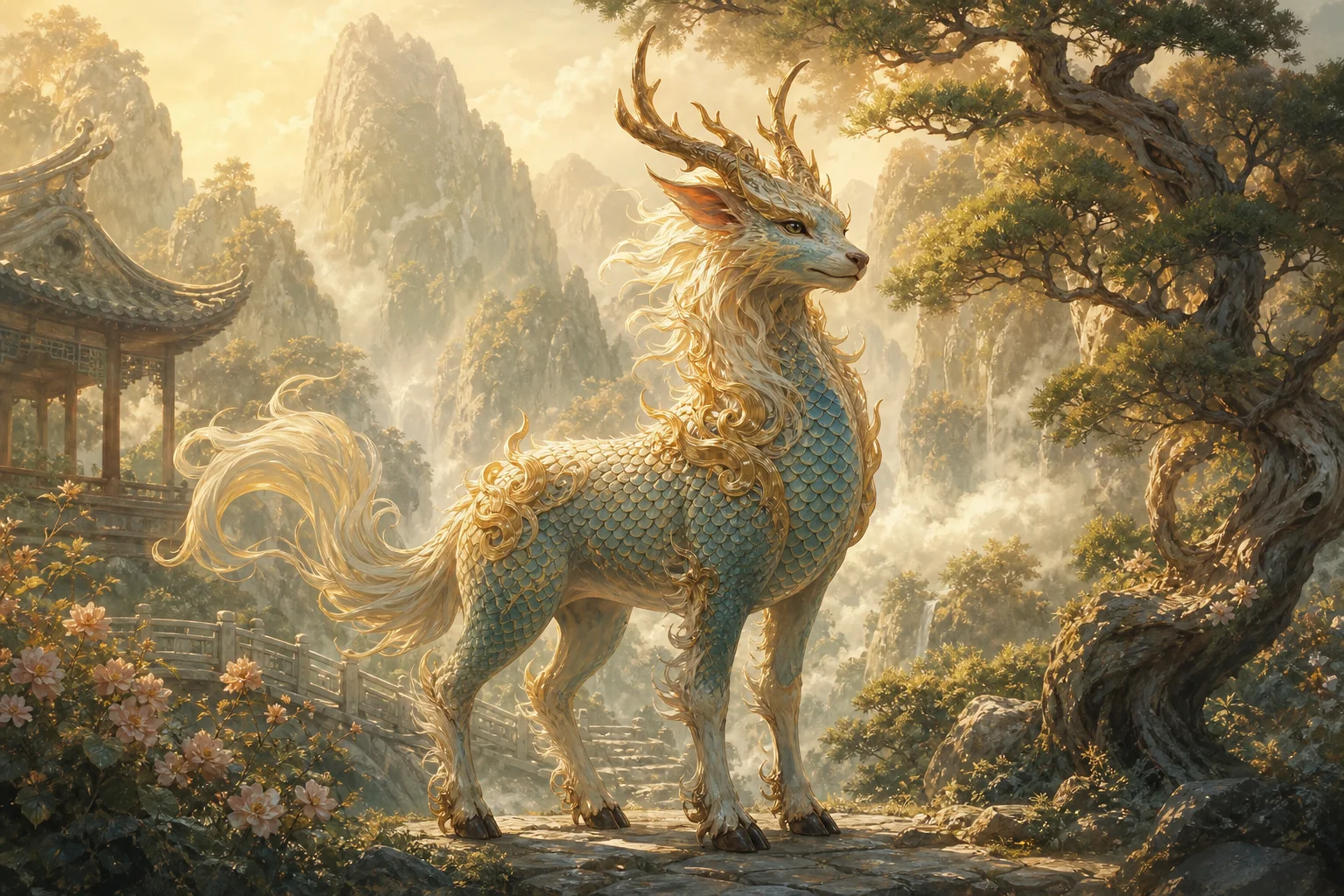
Not everyone on Jueyun Karst is a full immortal. Ganyu serves as Rex Lapis's secretary with qilin heritage; Shenhe was raised as an adeptus disciple after a tragic childhood. These characters show how Liyue blends mythic bloodlines with human emotion — a common move in Chinese fantasy storytelling.
Yaksha: guardians who pay a price
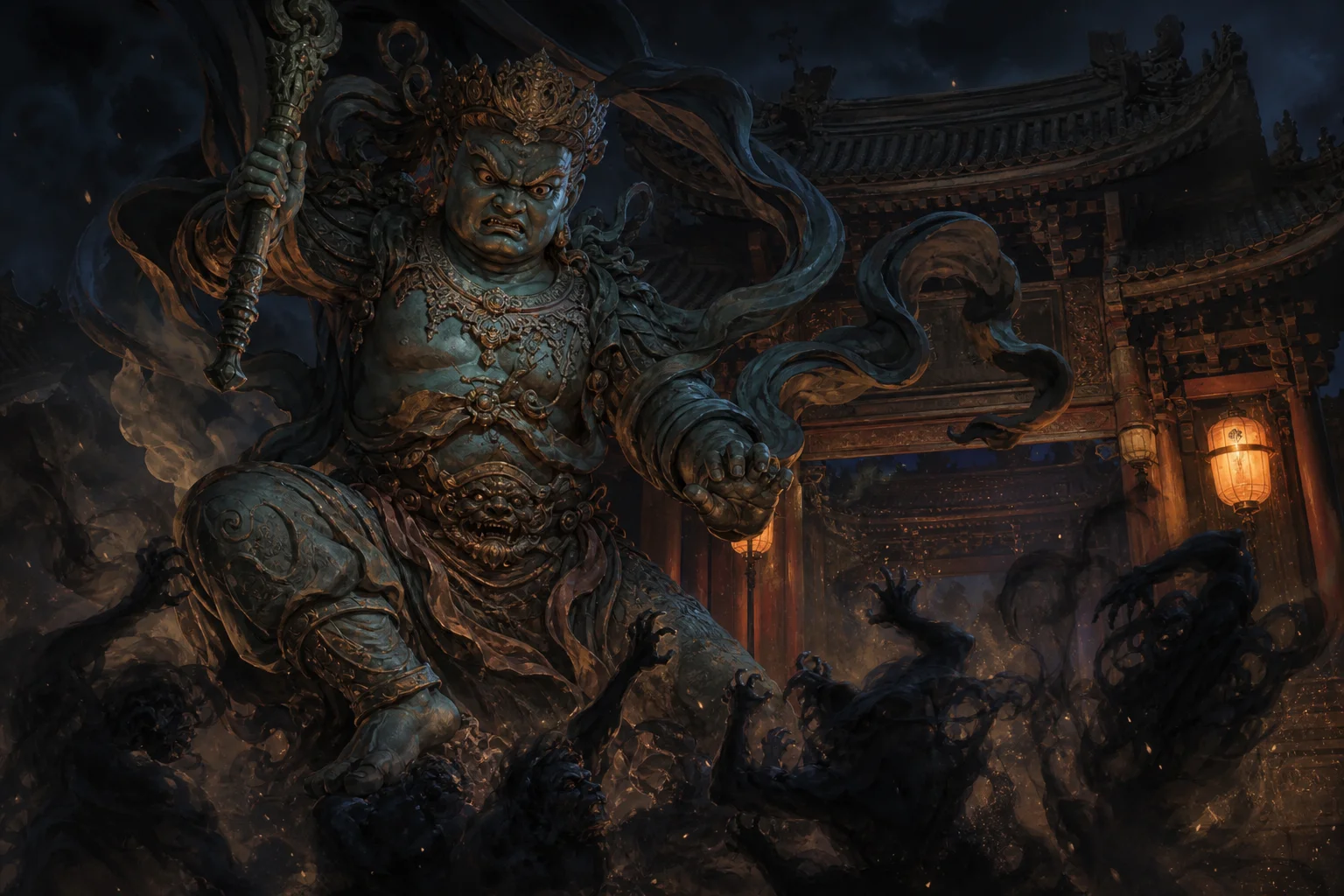
Yaksha (夜叉) entered Chinese imagination through Buddhism as a class of fierce spirits — sometimes demonic, sometimes protective. Temple art often shows them as wrathful guardians who subdue evil so ordinary people can live in peace.
In Liyue lore, yaksha were summoned during the Archon War to cleanse karmic corruption. Most fell to madness or death; Xiao (魈, "nightmare" or "marmot" depending on reading — here the lone survivor) still answers when evil stirs. Wangshu Inn stands on a strategic pass partly so he can watch the border between safe roads and dangerous wilds.
In religion
Yaksha 夜叉
Buddhist-influenced guardian spirits; fast, violent, and morally ambiguous in older texts.
In Liyue
The Yaksha 夜叉
An elite demon-quelling order tied to Rex Lapis; Xiao is the last active member players meet early.
Taoism, Buddhism, and folk belief together
Real Chinese culture rarely separates cleanly into "Taoist" or "Buddhist" boxes. A village might pray to a local earth god, hang a Buddhist amulet, and tell stories about a Taoist hermit in the same week. Liyue mirrors that blend: contracts and mountain immortals feel Taoist; yaksha and "karmic debt" feel Buddhist; Wangsheng Funeral Parlor mixes funeral rites with playful superstition.
Related reading on Dragon Forge
For more on exorcism, ghosts, and strange tales in Chinese tradition, see our Black Myth: Zhong Kui Culture hub — a different game, but shared cultural vocabulary around demons and ritual specialists.
Why this matters while you play
- When NPCs say an adeptus "does not walk among mortals," that is straight from immortal lore — not random fantasy padding.
- Xiao's isolation and pain echo stories of guardians who save others but cannot save themselves.
- Festival quests that invite adepti to the harbor dramatize a classic tension: hermits versus the noisy human world.
- Names ending in titles like 真君 (True Lord) mark formal immortal ranks in Chinese religious language.
Key terms
| English | Chinese | Quick meaning |
|---|---|---|
| Adeptus / adepts | 仙人 | Immortals; Liyue's mountain guardians |
| Yaksha | 夜叉 | Fierce guardian spirits; demon quellers |
| Qilin | 麒麟 | Auspicious beast; Ganyu's ancestral motif |
| Cave heaven | 洞天 | Hidden immortal realm inside sacred mountains |
Next in the primer series: Lantern Rite, Moonchase & Liyue Festivals.