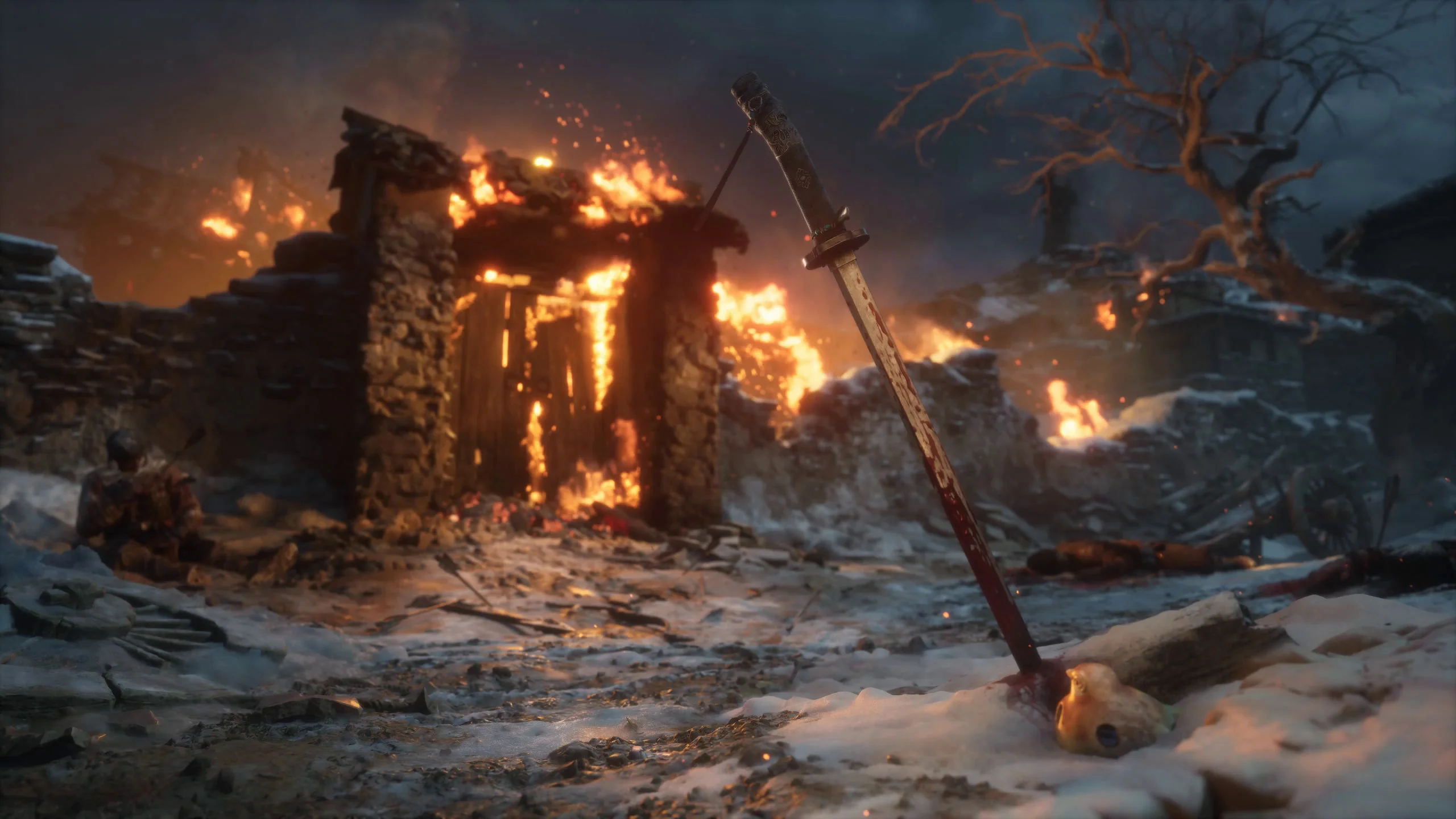
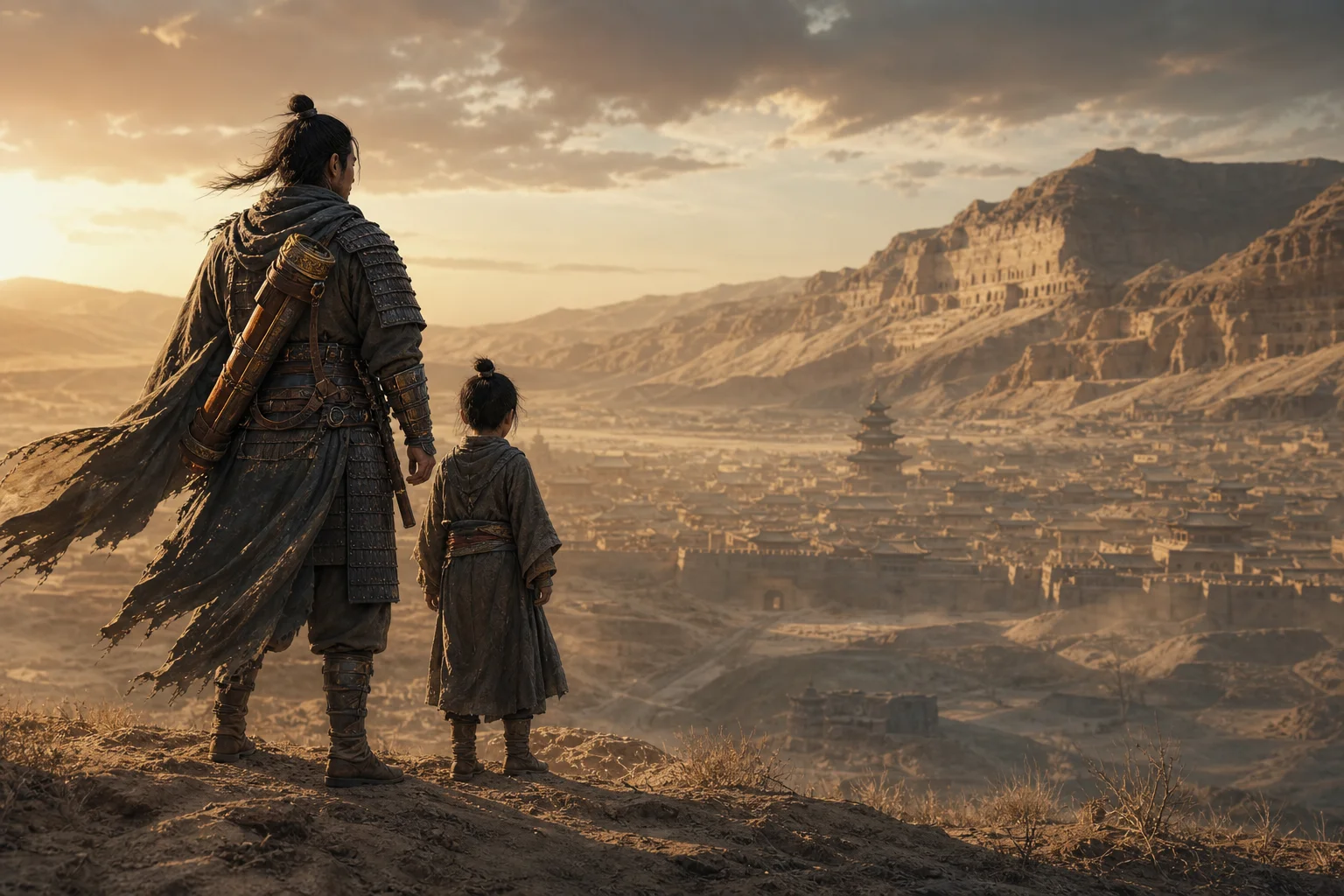
Living document. Blood Message (Chinese title: 归唐) adapts a documented historical event but centers on fictional characters. This page separates what NetEase has officially confirmed from what historians know — and flags where the game dramatizes for narrative impact. Last scoped: first reveal and gameplay trailers through 2025.
Status at a glance
Developer
24 Entertainment Lin'an (NetEase ThunderFire) — also created Naraka: Bladepoint
Genre
Narrative-driven single-player action-adventure; linear campaign
Engine
Unreal Engine 5; PC and consoles; premium buy-to-play model
| Item | Confirmed? | Notes |
|---|---|---|
| Historical basis | Yes | 848 Shazhou uprising; Zhang Yichao; ten messenger teams east to Chang'an |
| Playable characters | Yes | Nameless courier + his young son — fictional composites, not Wuzhen |
| Core theme | Yes | "Ordinary people within grand history"; tribute to unnamed heroes |
| Gameplay mix | Yes | Combat, stealth, exploration, environmental survival, puzzle-adventure |
| Open world | No | Official materials describe a focused linear journey, not open sandbox |
| Soulslike | No | Survival pressure exists; structure is story-led, not loop-based |
| Release date | Pending | Not announced at first reveal |
What history gives the game
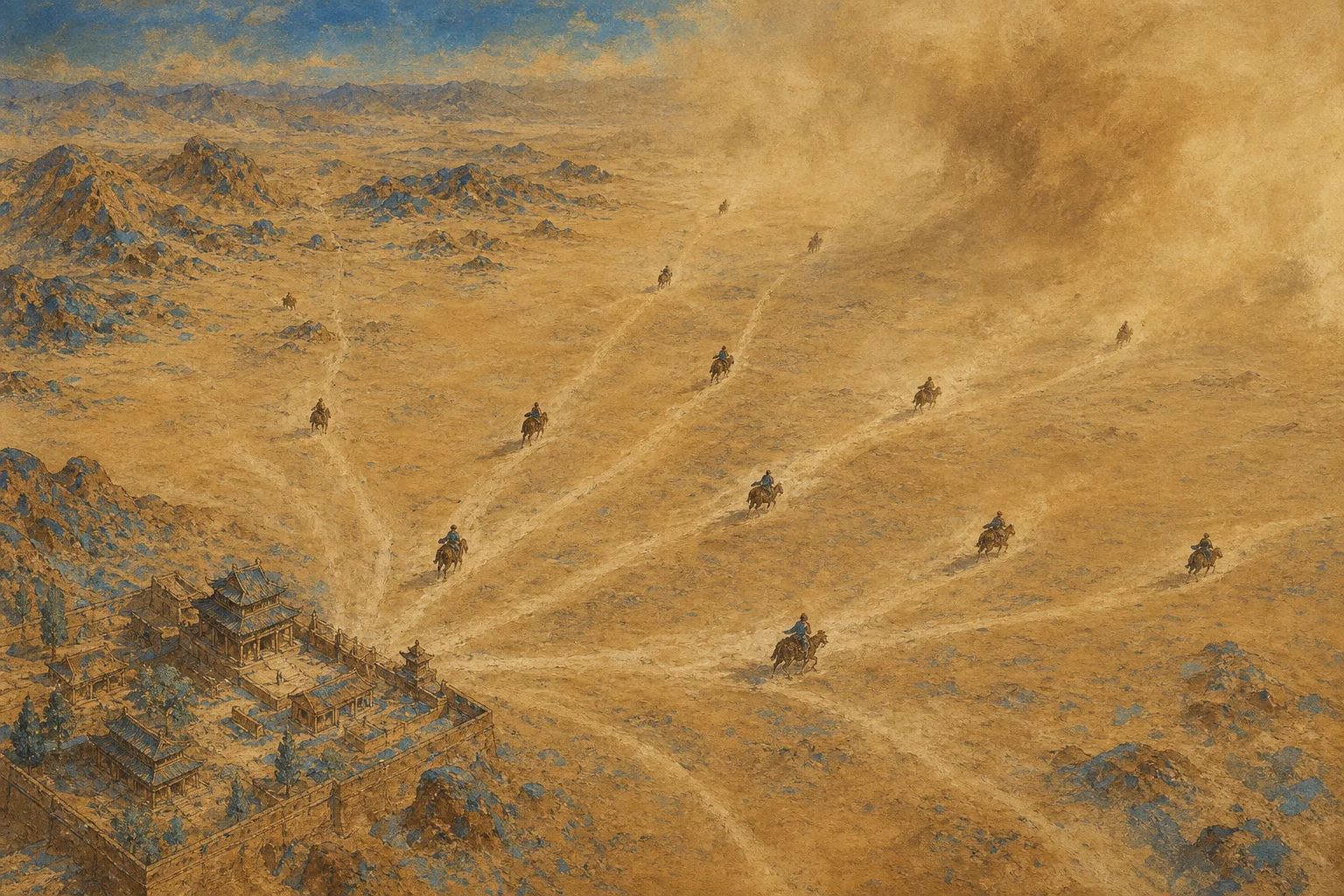
The developers have stated the project originated from producer Ye Nongzhou's emotional response to learning the Shazhou story years ago. Historical anchors the game publicly embraces:
- Tibetan-occupied Dunhuang rises in 848
- Ten teams of couriers depart with the same message
- The journey east crosses deserts, blizzards, and hostile checkpoints
- Success means hope, not necessarily personal survival — "this trip is not for coming back"
These beats match Tang and Dunhuang sources, especially the doomed majority of messenger teams and Wuzhen's two-year odyssey. The game compresses and personalizes: one father-son pair stands in for countless unnamed volunteers.
What the game likely invents
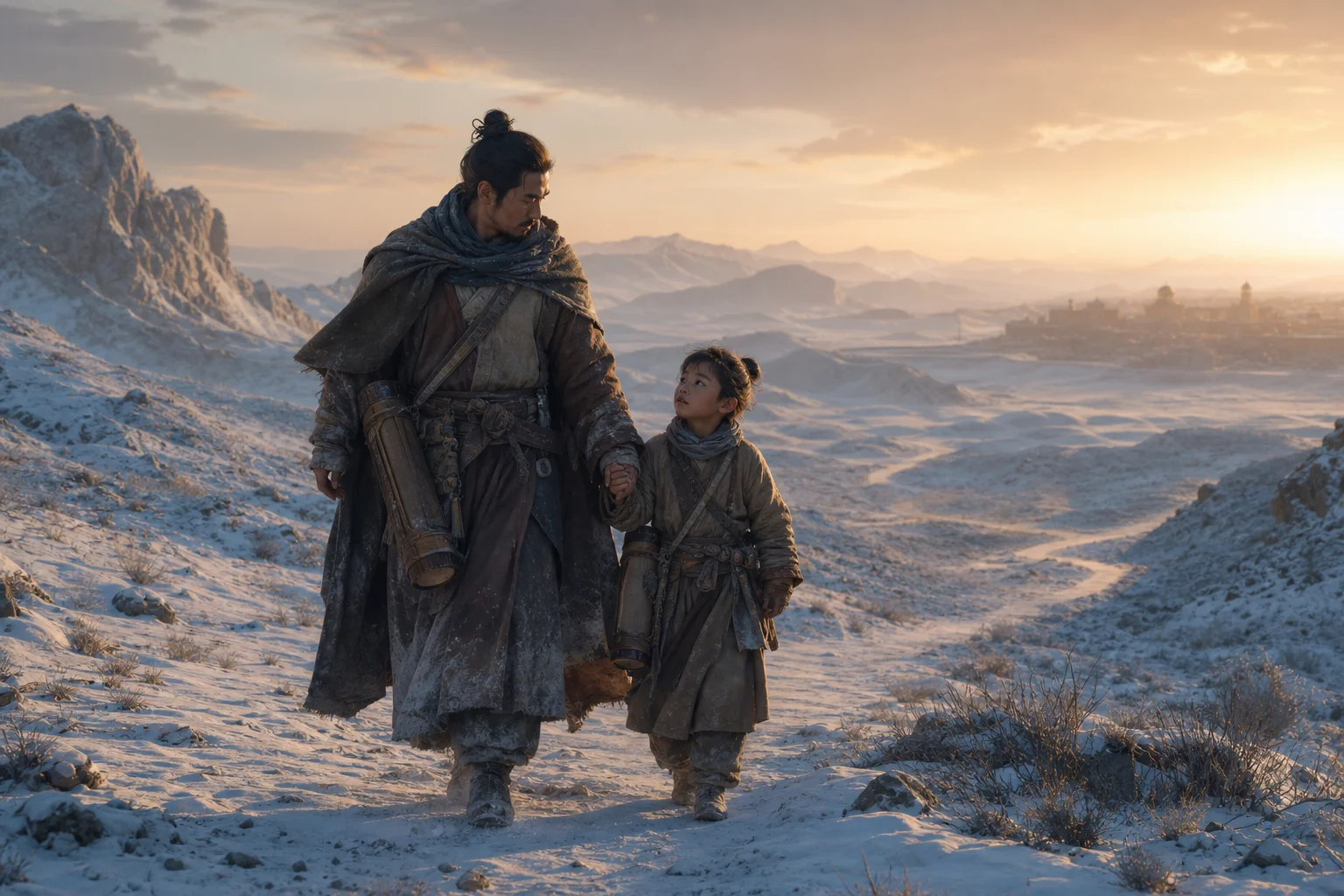
Without claiming insider knowledge of unreleased plot, standard adaptation patterns suggest:
- Specific encounters — battles, stealth sequences, and set-piece locations along the route
- Character relationships — the father-son bond is a emotional lens, not a named historical record
- Timeline compression — gameplay may span weeks or months where history took years
- Antagonist focus — Tibetan patrols and environmental hazards are documented; individual villains may be fictional
Our rule: Dragon Forge Culture articles label documented history, popular retelling, and game dramatization separately. When new trailers contradict earlier assumptions, we revise this page.
Stated creative goals (from official interviews)
NetEase leadership and the Lin'an team have emphasized:
- Narrative first — every system serves story, not the reverse
- International quality bar — UE5 visuals targeting global AAA narrative games
- Cultural authenticity — Dunhuang research, mural palettes, Tang-period architecture
- Values — peace, reunification, loyalty expressed through common people's sacrifice (official framing for global audiences)
What we will update here
When NetEase releases new material, we add rows to our internal tracker and revise sections below:
- Confirmed regions / biomes shown in gameplay
- Historical figures appearing by name
- Spoiler-sensitive plot beats (with spoiler tags on dedicated articles)
- Platform, pricing, and release window
Check the game's official site at blood-message.com for primary sources. Dragon Forge is editorial — not affiliated with NetEase.
Finished the primers? Browse the Glossary or see our reading list for deeper history.