
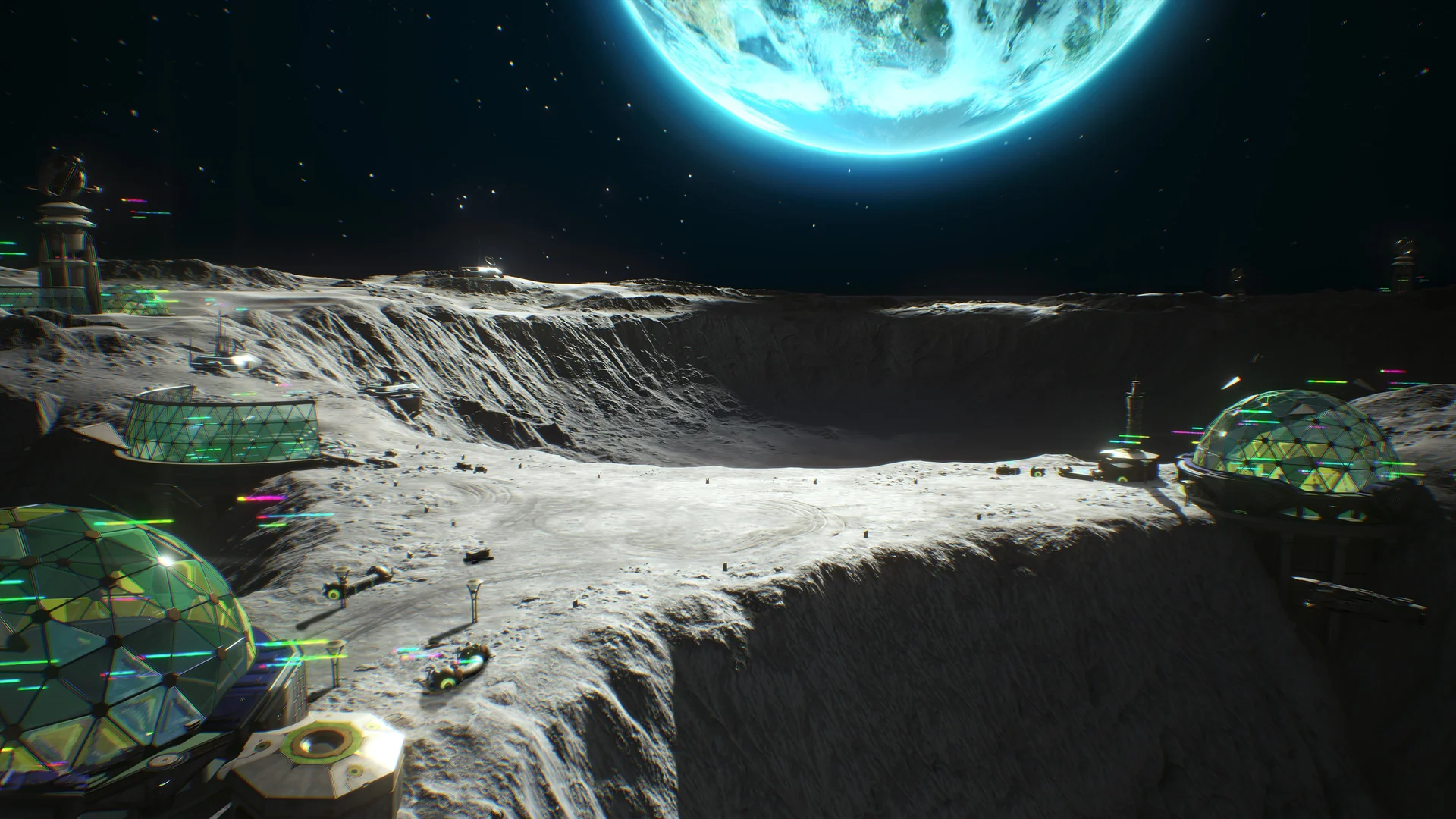
Review info: Version 3.x era (July 2026) · PC (Steam + official launcher) + iOS + PS5 · ~80 hours played · Light spoilers (region and faction names only; no chapter twists)
Read this first: Store links and platforms: Game Hub. Comparing gacha open worlds? See our Genshin Impact 2026 review, Zenless Zone Zero 2026 review, and Honkai: Star Rail 2026 review.
When Wuthering Waves launched in May 2024, Kuro Games bet that open-world gacha could feel like an action game first — grappling hooks, dodge counters, and monster-echo skills on a post-cataclysm sci-fi planet — and that a Rover waking with amnesia could hook players tired of climbing stamina bars and turn-order menus. Two years and multiple region expansions later, the question is no longer whether the combat feels good — it obviously does. The question is whether your time is worth handing to Waveplate refills, Convene banner math, Echo farming routes, and version catch-up in a game that never truly ends. This review covers how WuWa plays in mid-2026: what you get for $0, what comfort costs, and who should start, return, or stay on Solaris-3.
Two Years on Solaris-3
Guangzhou-based Kuro Games launched Wuthering Waves worldwide on May 22, 2024, for PC and mobile, with PlayStation 5 following on January 2, 2025. Cross-save within the same server region arrived on supported platforms, letting phone commuters and couch players on PS5 share one Rover account — the same quality-of-life baseline Genshin and Honkai players now expect. By July 2026 the main story has expanded from launch-era Huanglong through later regions including Rinascita and the v3.5 Mengzhou expansion, with each major update adding Resonators, Echo sets, and seasonal events.
We tested on PC (Steam and official launcher) with a Ryzen 7 7700, 32 GB RAM, and an RTX 4070 at 1440p, plus regular sessions on iPhone 15 Pro and roughly 25 hours on PS5.
Account progress was self-maintained over multiple months; no review code or publisher stipend was involved (reviewCopyDisclosed: false).
The base game remains free to download on PC (official launcher, Steam, Epic Games Store), PlayStation, iOS, and Android; revenue comes from optional Convene pulls, the Lunite Subscription, and the Insanity's Oath battle pass — not a box price.
That business model defines every paragraph below. Unlike our Black Myth: Wukong review, which asks whether $60 of premium content justifies itself once, Wuthering Waves asks whether an ongoing relationship with daily limits and banner rotations still feels rewarding. And unlike our Genshin Impact 2026 review or Zenless Zone Zero 2026 review, WuWa sells high-mobility open-world traversal and dodge-counter combat on a seamless continent rather than hub districts or resin-gated mountains.
Open World and Traversal
Wuthering Waves's core loop is still explore Solaris-3 → follow the Rover's main quest → clear Tacet Fields and bosses → return to upgrade Resonators. Movement is third-person with sprinting and no exploration stamina bar — a genuine relief after Genshin's climbing tax — plus grappling hooks, wall runs, gliding, swimming, and motorbike travel across Huanglong's ruins and later regions. You unlock waypoints and fast-travel anchors as story beats open them, then chain mobility tools to reach vertical landmarks without watching a green bar drain.
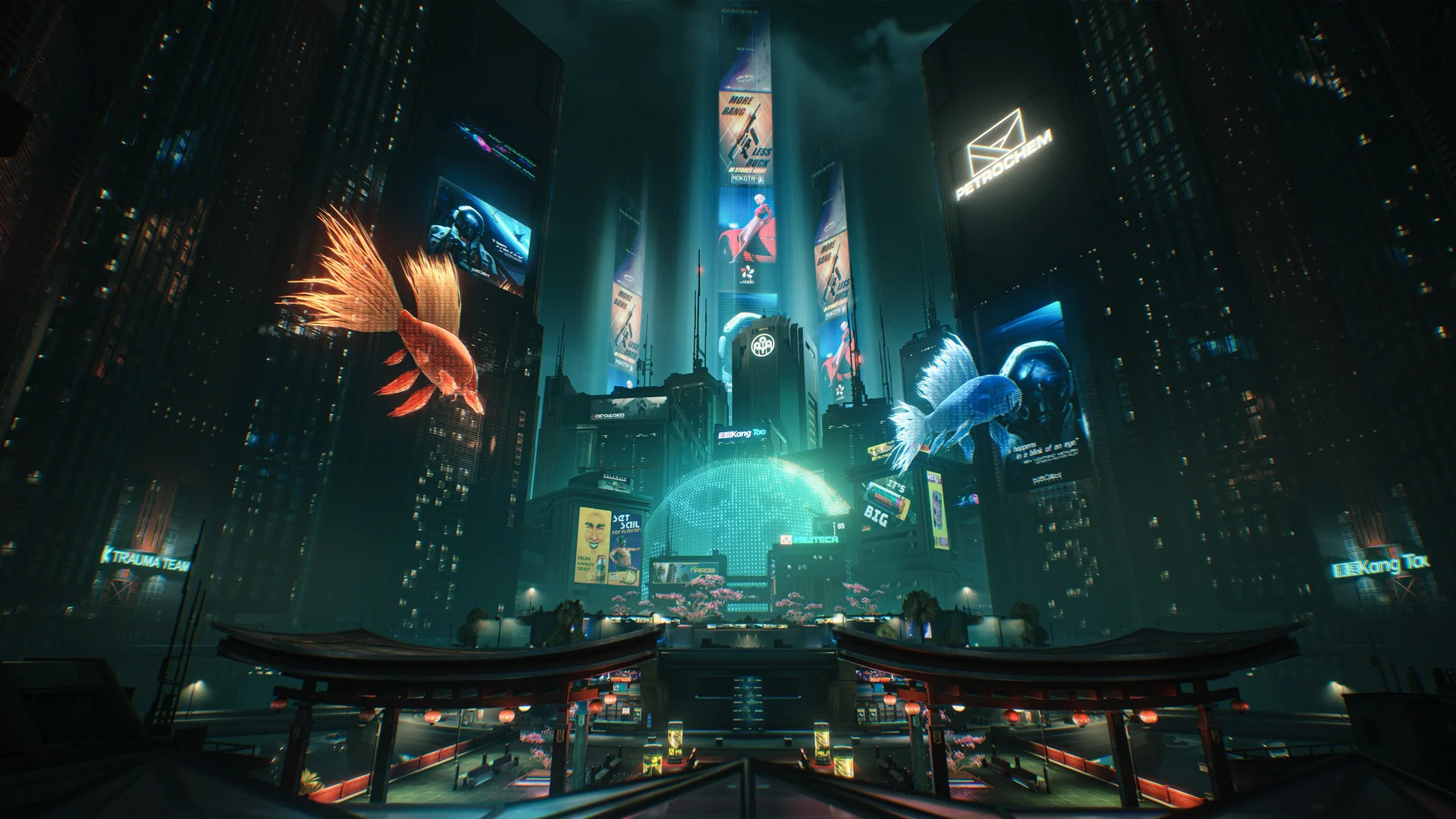
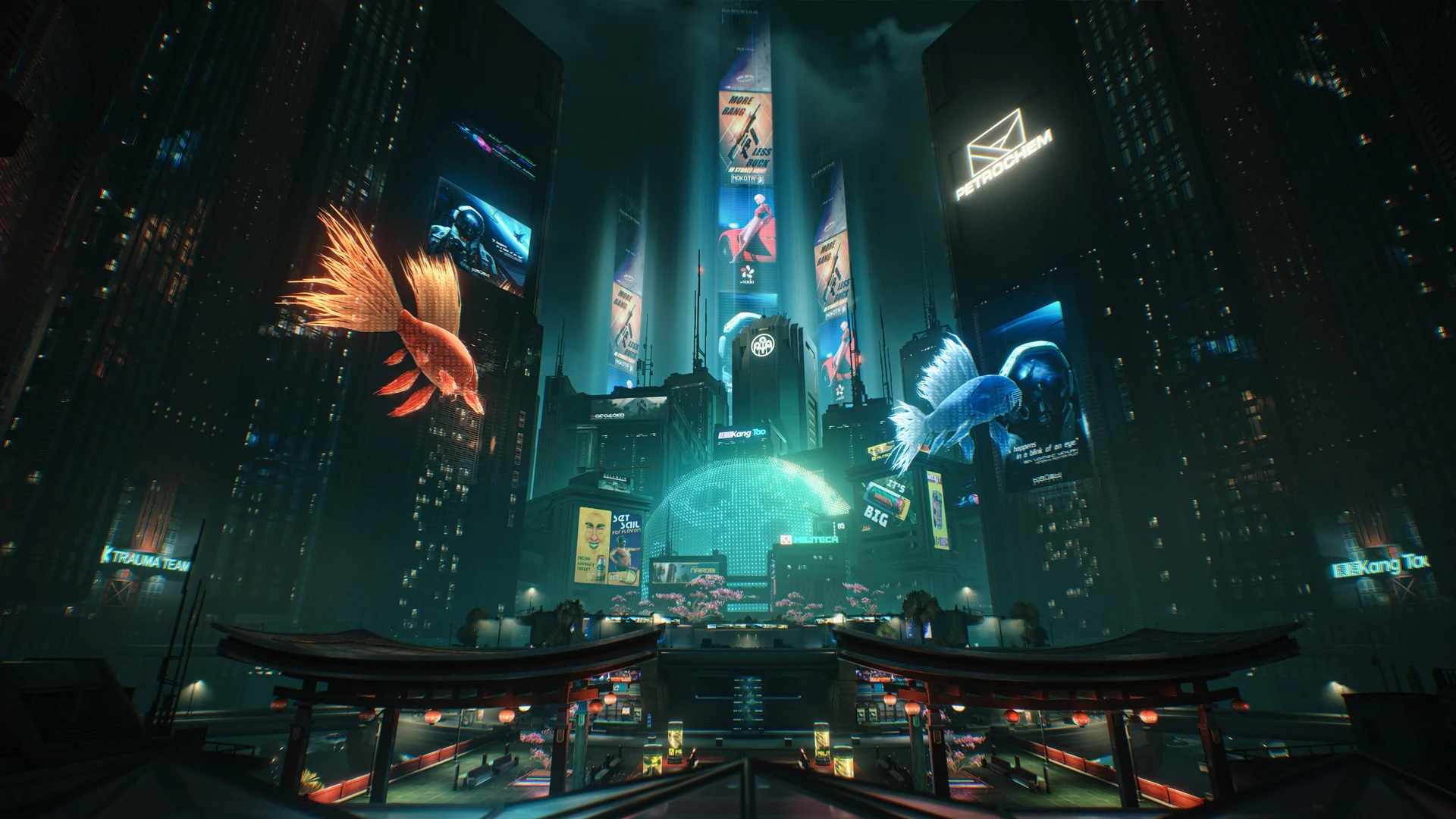
Regional identity is WuWa's strongest world-design trick within its open-world footprint. Huanglong trades in misty mountains, ruined highways, and coastal outposts; Jinzhou pushes cyberpunk neon and broadcast towers; Rinascita and later maps flip to gothic waterfronts and new biome palettes. The Rover's amnesia quest ties exploration to memory recovery — hidden chests, Sonance Caskets, and vista points reward curiosity without always sending you back into a menu.
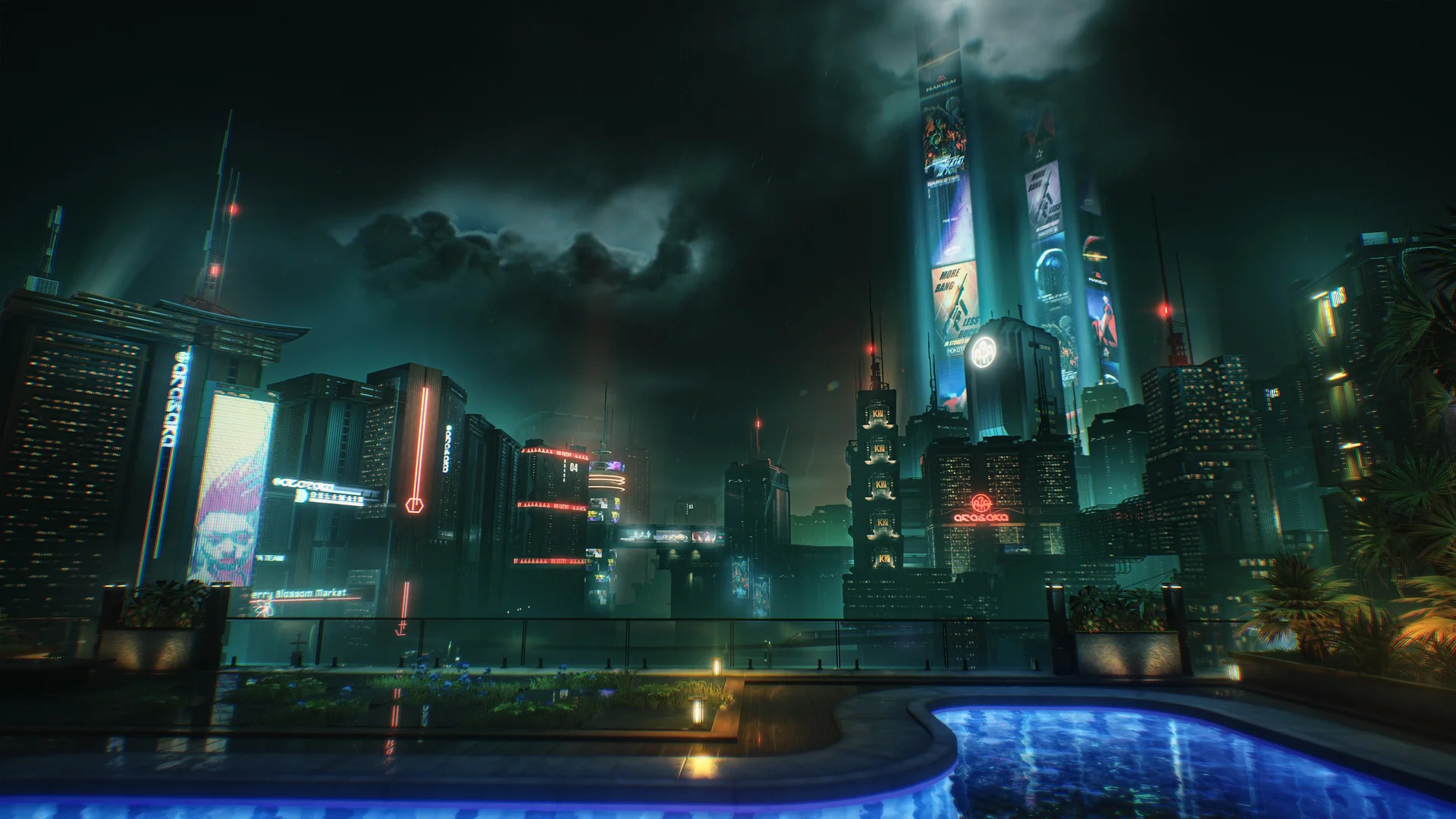
Tacet Discords — roaming monster threats — add danger to overworld touring alongside puzzle towers and environmental hazards. Side activities include photography commissions, racing events, and time-limited region tours that hand out Astrite and upgrade materials without always sending you into instanced combat.
The honest downside is checklist fatigue. Once you clear a region's Sonance Caskets and hidden interactables, backtracking can feel like a beautiful commute rather than a living wilderness. If you are a tourist explorer who enjoys 70% completion and moves on with the story, Solaris-3 feels fresh for dozens of hours. If you need Skyrim-scale emergent systems, WuWa will feel like a gorgeous theme park — stunning, but scheduled.
Combat — Evasion, Concerto, and Echo Skills
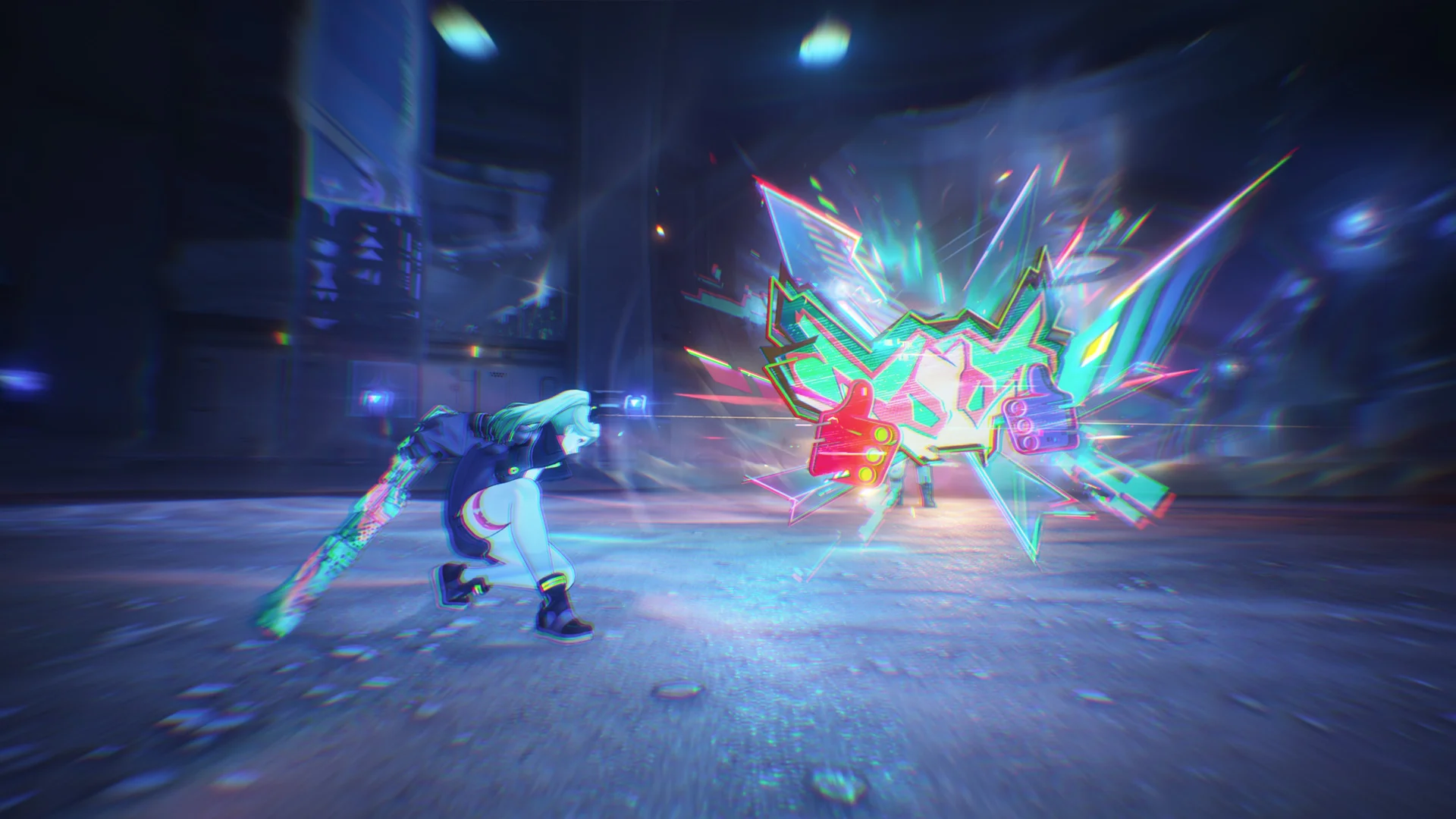
Combat is real-time with a party of up to three Resonators, one on field at a time. Each character wields an Attribute (Havoc, Aero, Electro, Fusion, Glacio, or Spectro) that feeds Concerto Energy; filling the bar triggers an Outro Skill swap that buffs the incoming Resonator and enables attribute-specific burst windows. Basic attacks, dodges, and Forte skills chain into heavy finishers; Resonance Liberation ultimates deliver the gacha-cinema finishers.
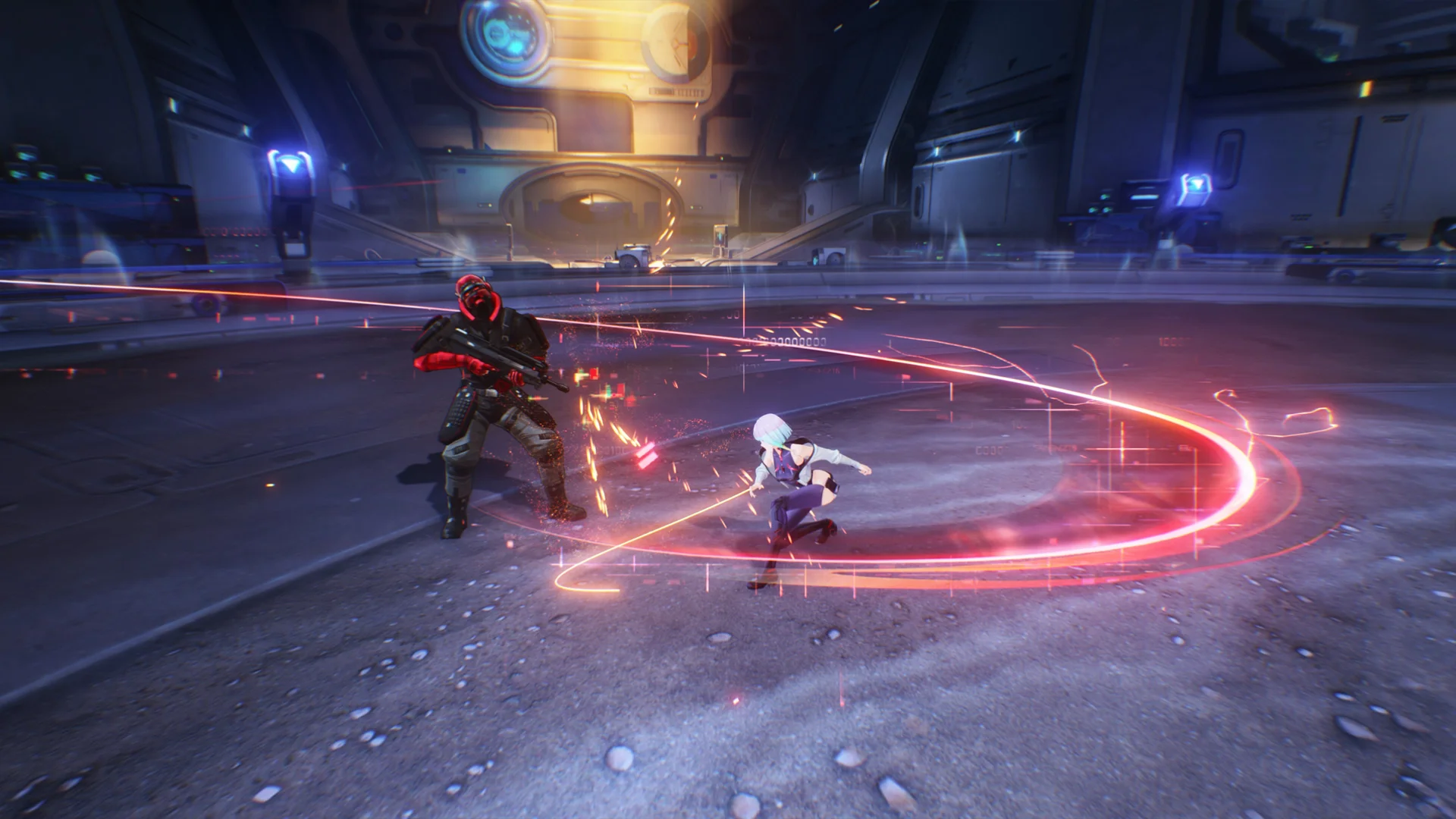
Extreme Evasion and Dodge Counter are the skill ceiling. Enemies telegraph heavy swings; timing a perfect evade triggers counter windows and Concerto buildup rather than passive i-frame spam. Parry-style interactions on select attacks reward players who learn boss patterns instead of button-mashing through invulnerability frames.
Team building goes deeper than attribute color matching. Intro Skills, Outro Skills, Coordinated Attacks, and role synergies (DPS, Sub-DPS, Support) create distinct meta teams — Jiyan Aero burst, Yinlin Electro setups, Changli Havoc routes, and later Resonators that push new Concerto routes in the 3.x era. Echoes (five-piece monster-skill sets with substats) and weapons add a second gacha layer on top of characters.
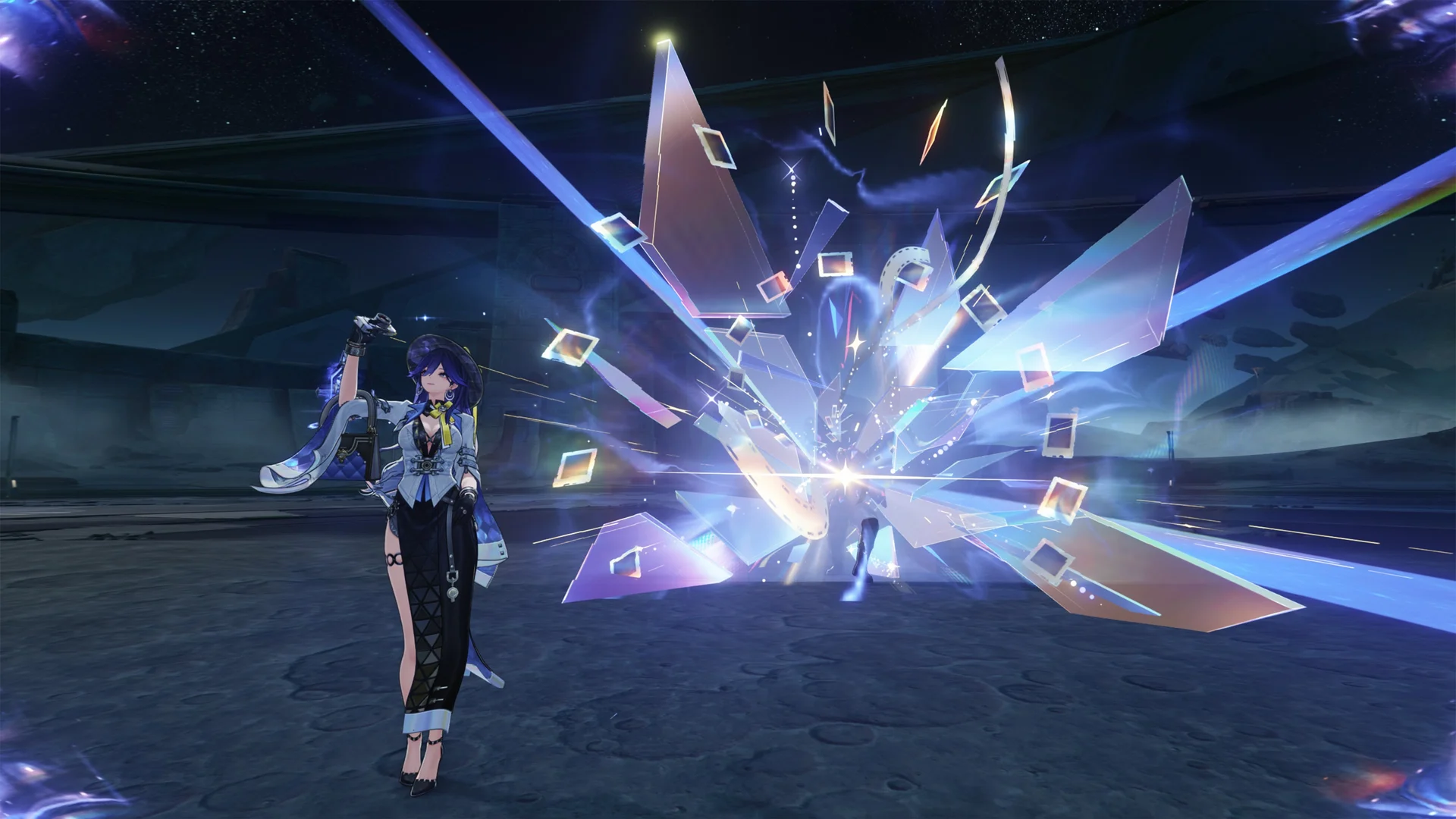
Echo Skills are WuWa's signature mechanic: defeat Tacet Discords, absorb their echoes, and slot their abilities as a sixth combat button. Aerial drakes, shield phantoms, and laser turrets change your rotation more than artifact set bonuses alone — no HoYoverse title copies this loop.
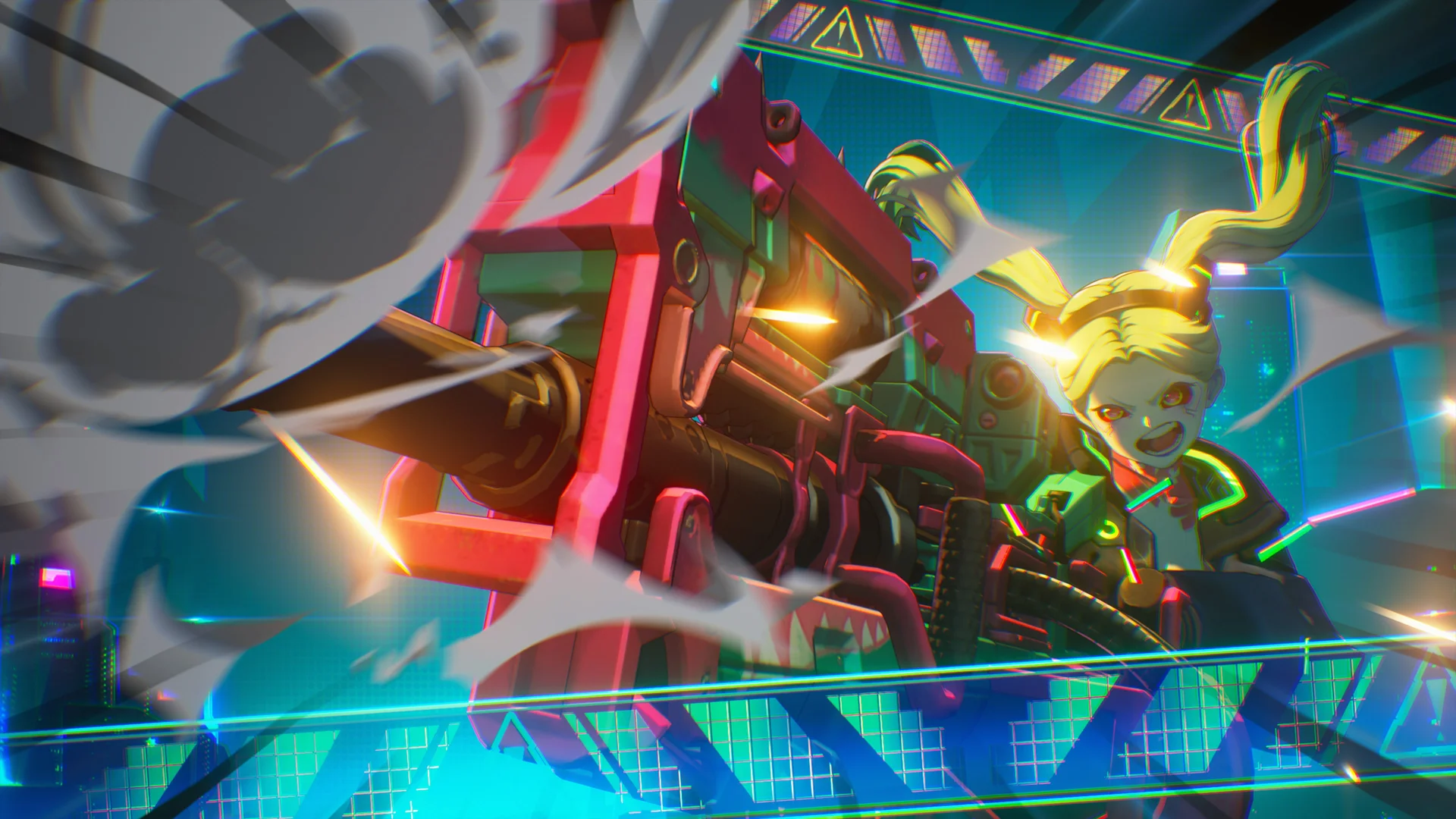
Enemy design mixes stagger checks, elite shield phases, and boss mechanics that punish lazy dodging. Major story boss fights can be genuinely tense even at recommended Union Level. The action sits faster and more tactile than Genshin's real-time swapping — obviously — and far more kinetic than Honkai: Star Rail's turn-based menus.
Overworld exploration uses the same combat system in smaller skirmishes; the review's action praise applies to Tacet Fields, overworld elites, and endgame modes — where the systems actually breathe. Action-game newcomers may bounce off Tower of Adversity until they learn dodge timing; veterans who wanted open-world gacha with Devil May Cry cadence finally get it here.
Story and Characters
Narrative delivery splits into tiers. Main Story is the Rover's amnesia arc — multi-chapter quests tied to the Lament, Black Shores politics, and the mystery behind Solaris-3's survival. Companion stories, Resonator quests, and limited-time events flesh out playable characters. Quality varies by patch, but the trend since launch is upward: Huanglong's frontier grit, Jinzhou intrigue, and Rinascita gothic drama land with genuine personality if you invest time.
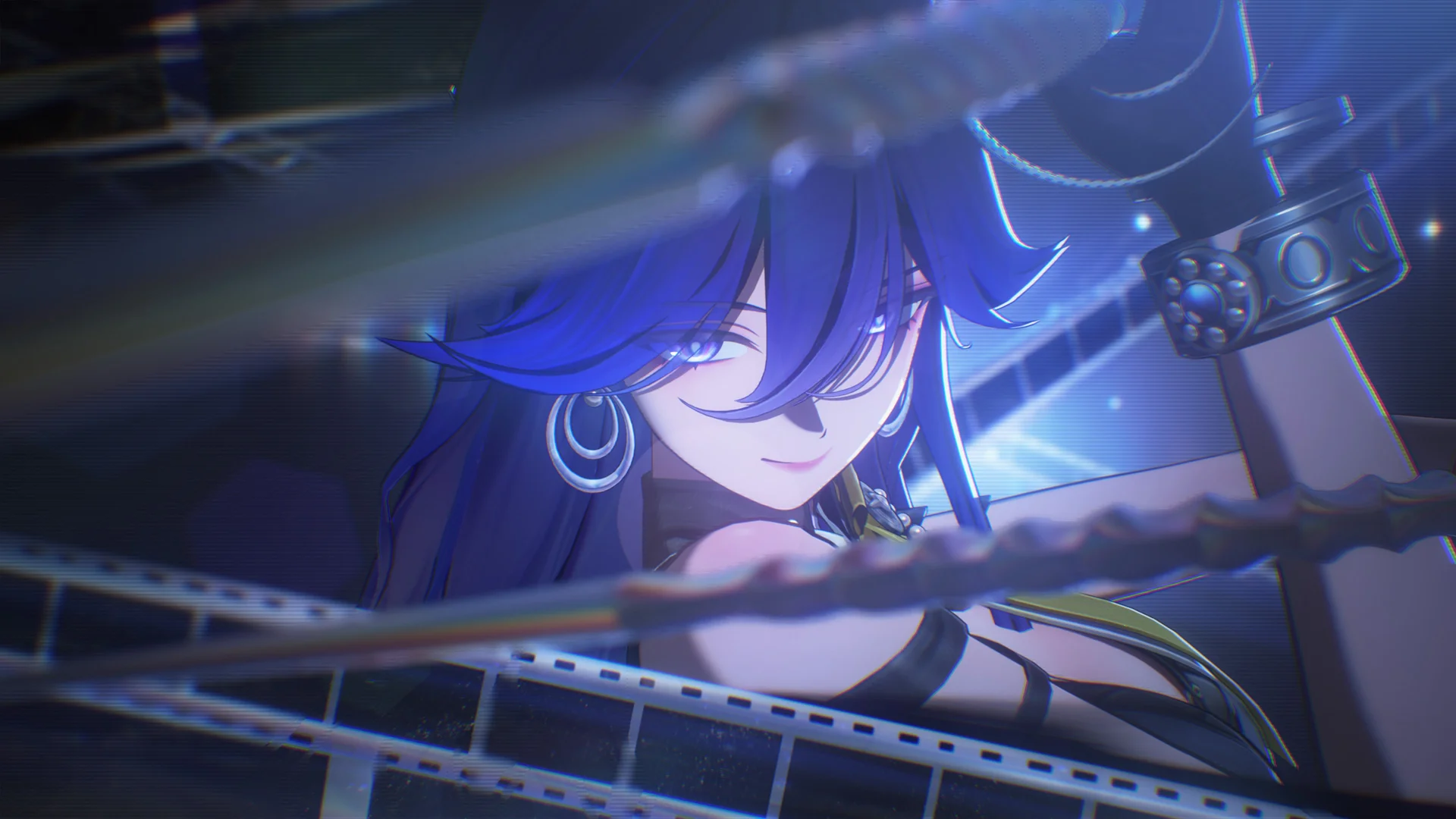
We will name regions and factions (Huanglong, Jinzhou, Black Shores, Rinascita) and flagship Resonators like Jiyan, Yinlin, Changli, and Encore because those are marketing-level facts, but we will not spoil late-chapter twists, identity reveals, or end-of-arc cliffhangers. The Rover — the amnesiac lead you control — is livelier than Genshin's Traveler, with clearer agency in dialogue choices, though silent-field limits still show in some gameplay segments.
English voice acting is professional and energetic; Japanese and Chinese tracks remain popular with subtitle players. If you are here purely for a linear novel, patch-gated chapters will frustrate you. If you enjoy TV-serial pacing with spectacle boss finales every few months, WuWa delivers — though per-hour writing depth still trails Honkai: Star Rail's Penacony-era highs. Where WuWa wins is post-apocalyptic sci-fi texture: rebuilt cities, echo-harvesting culture, and frontier politics that make Resonators feel like survivors, not just gacha pulls.
Visuals and Audio
Art direction is WuWa's most defensible 8.7 score. Post-Lament aesthetics — ruined highways, holographic signage, glitch overlays, and cel-shaded Resonators — differentiate it from Teyvat's fantasy pastoral and New Eridu's urban pop. Characters pop against gritty landscapes; Resonance Liberation animations rival gacha cinema without leaving the combat camera.
Costume design and weapon illustrations are merchandising-ready but still cohesive inside Solaris-3's techwear-meets-fantasy palette. Echo variants add collectible charm without cluttering the HUD — a rare monster-harvest system that reads cool instead of spreadsheet-first.
Audio matches the visuals. Kuro's score leans electronic, orchestral, and rock instrumentation suited to frontier ruins and neon cities — bass-heavy combat layers, glitch-stutter UI sounds, and character themes that sync with Liberation cut-ins. Burst voice lines and impact SFX stay satisfying after hundreds of activations. Headphones recommended — the mix is among the punchiest in the open-world gacha tier, especially if you grew up on action-anime OSTs.
Performance — PC, Mobile, and PS5
Wuthering Waves scales from phones to high-end PCs, and seamless open zones are harsher than ZZZ's compact hub maps but kinder than Genshin's continent-scale foliage at launch. We re-tested in July 2026 after 3.x patches on all three primary platforms.
Cross-platform at a glance
PC (RTX 4070, 1440p, High): Mostly 60 fps in Huanglong overworld and combat; brief dips during dense Liberation chains in elite Tacet Fields. Loading from NVMe SSD is snappy after shader cache warms. Steam and official launcher perform similarly.
Mobile (iPhone 15 Pro, High): Stable 60 fps in Jinzhou and coastal zones; thermal throttling after 40–60 minutes in extended boss grinds. Battery drain is moderate — playable on commutes at Medium if needed.
PS5: 60 fps performance mode holds well in story content; DualSense support is basic. Excellent couch option if you already live on PlayStation.
Known issues: PC first-launch shader compilation stutter; older iPhones and GTX 1060-class GPUs need Medium for comfort; occasional UI hitching when opening Convene after long sessions. v3.4+ Megalights ray-tracing options help some PCs but are not required.
Practical minimum (1080p / 30 fps, Low–Medium): Intel Core i5 / Ryzen 5 class CPU, GTX 1050 Ti or equivalent, 8 GB RAM, 30+ GB storage — playable, not pretty.
Comfort target (1080p–1440p / 60 fps, High): GTX 1060 / RX 5700 XT or better, 16 GB RAM, SSD recommended.
Mobile players: if your phone is more than three years old, expect Medium settings and fan noise. PS5 players: Performance mode first; fidelity mode is for screenshots, not Tower marathons.
Monetization and Value
This is the section that makes or breaks a 2026 recommendation. Wuthering Waves is free to install and free to finish every main-story chapter — no paywall gates the Rover's journey. You will meet story-mandated trial Resonators and login-event giveaways; F2P players can clear overworld and most story battles with skill and patience.
Waveplate is the daily time gate: 240 cap (with storage mechanics for overflow), regenerating on a timer — meaning roughly 4–8 high-value runs of Echo farms, Resonator skill materials, or weapon leveling per day before you wait or spend Waveplate replenishments. That design respects busy adults but annoys binge players who want to perfect Echo substats in one sitting.
Convene (gacha): Character event banners soft-pity around 80 pulls, hard guarantee at 90 for a 5★; weapon banners are harsher with separate pity — planning guaranteed pulls is spreadsheet culture, mirroring Genshin's weapon and Star Rail's Light Cone tax. Pity carries on the same banner type; Lunite Subscription (~$5/month) and Insanity's Oath remain the best value if you already play daily; direct Astrite top-ups for impulse pulls are the expensive path.
What free players sacrifice: narrower roster depth for Tower of Adversity and Whimpering Wastes endgame, slower Echo optimization, and FOMO on limited Resonators and weapons. What payers gain: comfort, collection, and faster high-difficulty clears — not a different game. Compared to 2024 launch, login events and exploration rewards are more generous, but power creep in newer patches means returning F2P accounts need catch-up guides.
Value score lands at 7.0 not because the game is cheap — it can be very expensive — but because zero-spend story completion is still rare among gacha RPGs at this production tier. The weapon and Echo double-RNG tax keeps generosity below ideal; if you cannot tolerate randomness or daily timers, no sale fixes that.
Endgame and Live Service
Version updates arrive roughly every six weeks with new Resonators, events, and story beats. Tower of Adversity — a timed floor-climb with buffs and score targets — is WuWa's primary tryhard benchmark, offering runs that Genshin's Spiral Abyss parallels and that complement Star Rail's Memory of Chaos rather than replacing it. Whimpering Wastes and Dreaming Deep rotate as secondary challenges; weekly Tacet Field hunts and material farms fill the Waveplate budget.
Limited-time events often wrap mini-games — photography tours, combat trials, racing score chases — in charming lore and free Astrite. Returning after a year away means new Resonators, new Echo sets, and missed limited banners — the game welcomes you back with recap quests but does not erase the grind.
Live-service repetition is the honest tax after the story binge. Daily Waveplate, weekly Tower resets, and banner FOMO define the long tail — optional for tourists, mandatory for account perfectionists.
Who Should Start, Return, or Skip
Start or return now: Action-game fans who love dodge-counter loops; Genshin refugees tired of climbing stamina; players who want a Steam gacha option; commuters who want 20–30 minute daily sessions; sci-fi aesthetic lovers who want post-Lament ruins between fights; anyone curious about WuWa's second-year Resonator roster.
Play casually / on the fence: Already deep in Genshin, ZZZ, or Star Rail with limited time — pick one or two gacha RPGs, not four; story-first players who need Penacony-tier writing every hour; open-world completionists who need infinite emergent systems.
Skip: Daily-checklist haters; players allergic to gacha psychology; buyers wanting one upfront price and no FOMO; turn-based-only purists; hardware below minimum that cannot hold 30 fps.
Wuthering Waves in 2026 is still Kuro's best argument that open-world gacha can feel like a premium action RPG — held back by Convene economics, Waveplate gates, and live-service repetition after the story binge. If that trade sounds fair, start at the Game Hub for download links. If you want exploration-first open worlds with deeper nation volume, our Genshin Impact review is the parallel read; if you want compact urban action, try Zenless Zone Zero; if you want turn-based story on rails, Honkai: Star Rail instead. WuWa sells a faster, frontier-scale commitment — and for action fans, that is exactly the point.