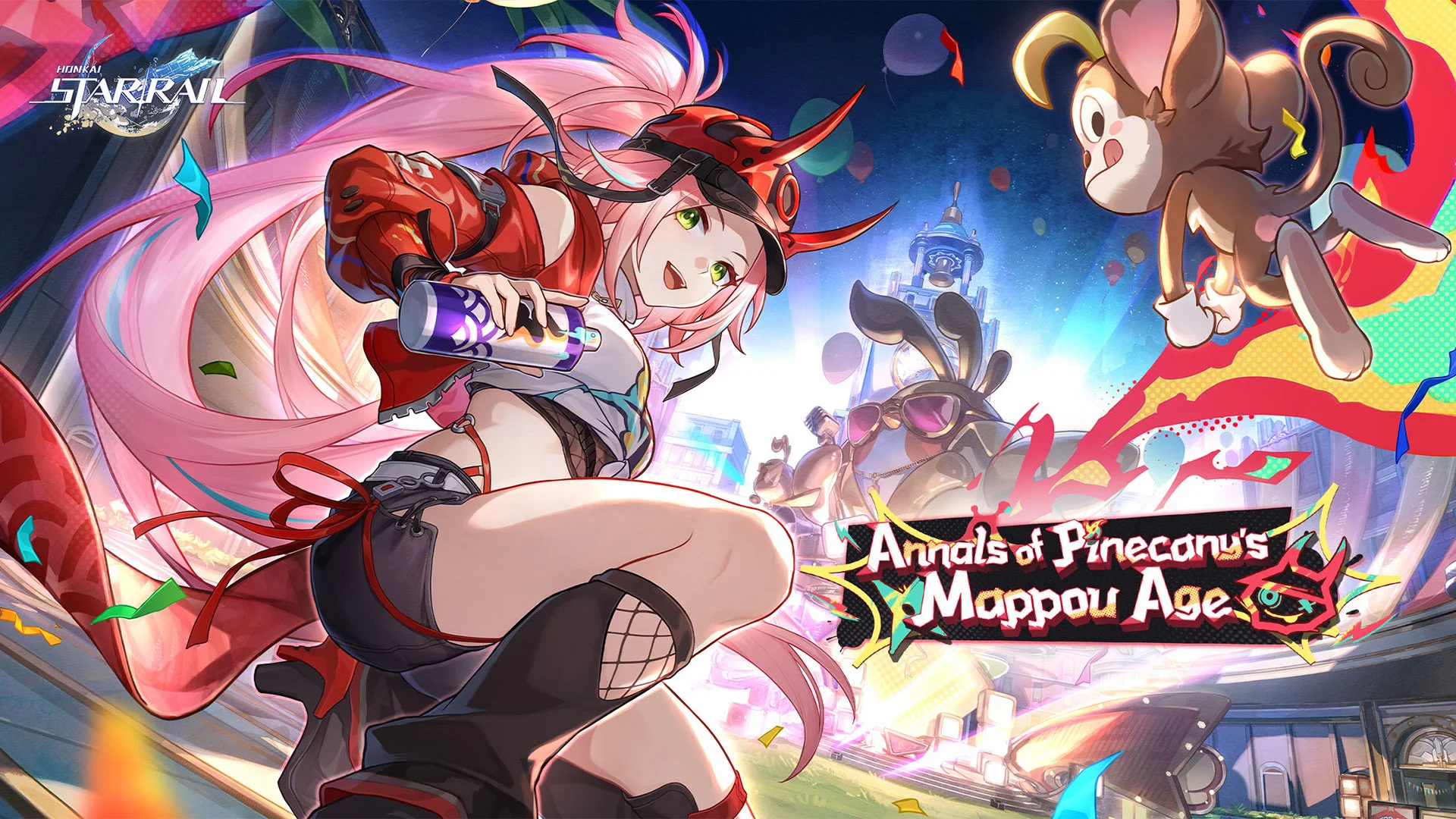
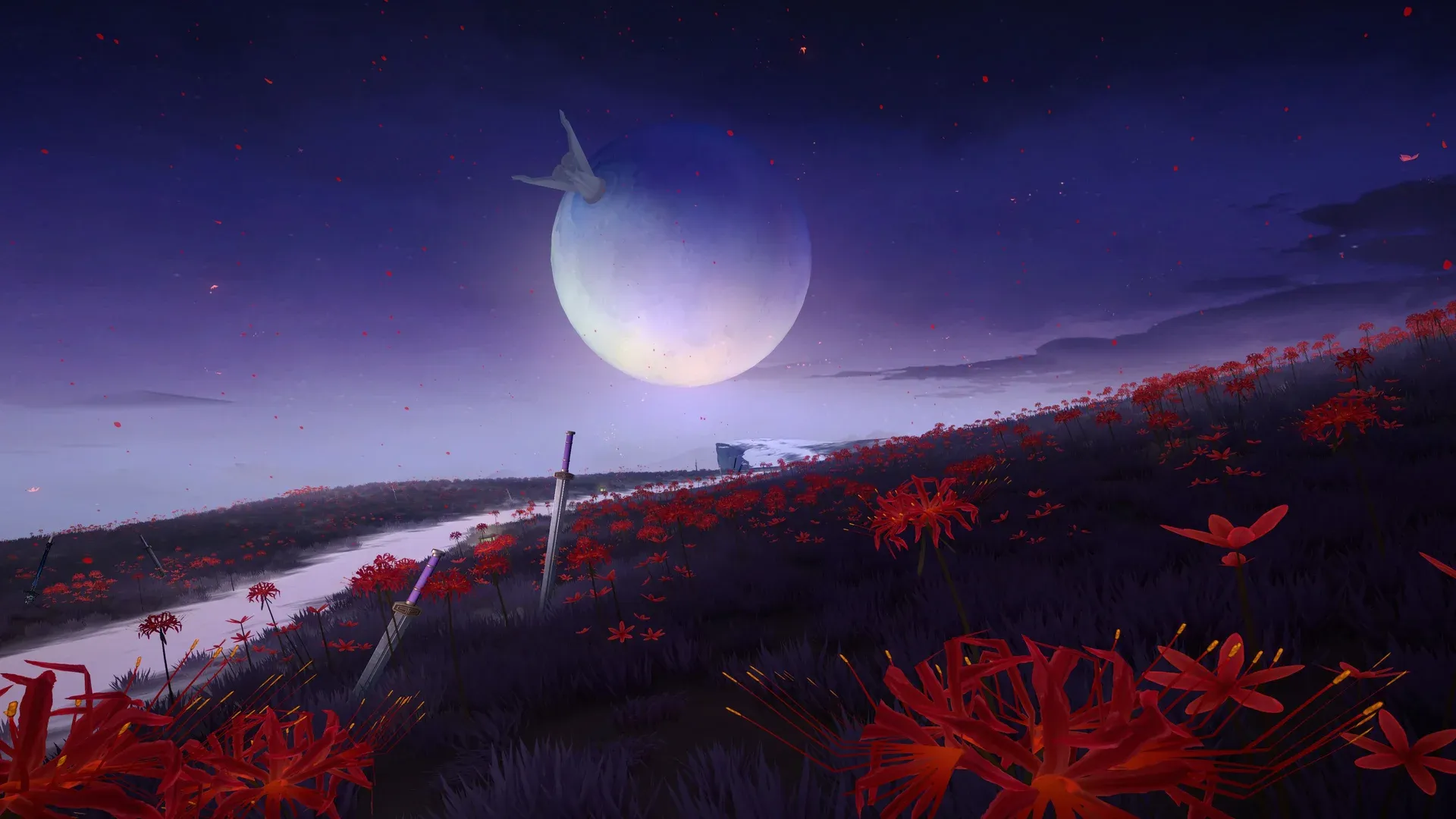
Review info: Version 4.x era (July 2026) · PC (global client) + iOS + PS5 · ~100 hours played · Light spoilers (region and Path names only; no Penacony twists)
Read this first: Store links and platforms: Game Hub. Comparing HoYoverse games? See our Genshin Impact 2026 review.
When Honkai: Star Rail launched in April 2023, HoYoverse bet that turn-based combat could carry the same cinematic ambition as Genshin Impact — and that a train hopping between frozen cities, silkpunk starships, and surreal dream worlds could hook players who were tired of climbing every cliff in Teyvat. Three years and multiple star systems later, the question is no longer whether the Astral Express looks expensive — it obviously does. The question is whether your time is worth handing to Trailblaze Power timers, Warp banners, Light Cone pity math, and version catch-up in a game that never truly ends. This review covers how Star Rail plays in mid-2026: what you get for $0, what comfort costs, and who should board, return, or stay on the platform. Culture coverage for Luofu mythology and Penacony symbolism is coming to Dragon Forge; here we focus on whether the game still earns your evenings.
Three Years on the Astral Express
miHoYo (under the HoYoverse label) launched Honkai: Star Rail worldwide on April 26, 2023, for PC and mobile, with PlayStation 5 following in October 2023. Cross-save and cross-progression arrived early, letting commuters on phone and couch players on PS5 share one Trailblazer account — a quality-of-life win Genshin players waited years to fully enjoy. By July 2026 the main story has trailblazed through Jarilo-VI, the Xianzhou Luofu, Penacony, and the Amphoreus / Planarcadia arc, with each stop adding a full hub map, Trailblaze Continuance chapters, a regional cast, and seasonal festivities.
We tested on PC (global client) with a Ryzen 7 7700, 32 GB RAM, and an RTX 4070 at 1440p, plus regular sessions on iPhone 15 Pro and roughly 25 hours on PS5.
Account progress was self-maintained over multiple months; no review code or publisher stipend was involved (reviewCopyDisclosed: false).
The base game remains free to download; revenue comes from optional Warps, the Express Supply Pass, and the Nameless Honor — not a box price.
That business model defines every paragraph below. Unlike our Black Myth: Wukong review, which asks whether $60 of premium content justifies itself once, Star Rail asks whether an ongoing relationship with daily limits and banner rotations still feels rewarding. And unlike our Genshin Impact 2026 review, which sells exploration-first open worlds, Star Rail sells turn-based tactics and TV-serial storytelling in discrete, highly authored maps.
Exploration and World Design
Star Rail's core loop is still arrive on a world → clear the hub → follow Trailblaze markers → solve light puzzles and optional chests. Movement is third-person with sprinting and no stamina bar for traversal — a relief after Genshin's climbing tax — but maps are hub-and-spoke zones, not seamless open continents. You warp between regions, load into instanced streets and corridors, and backtrack through fast-travel anchors once quests unlock them.
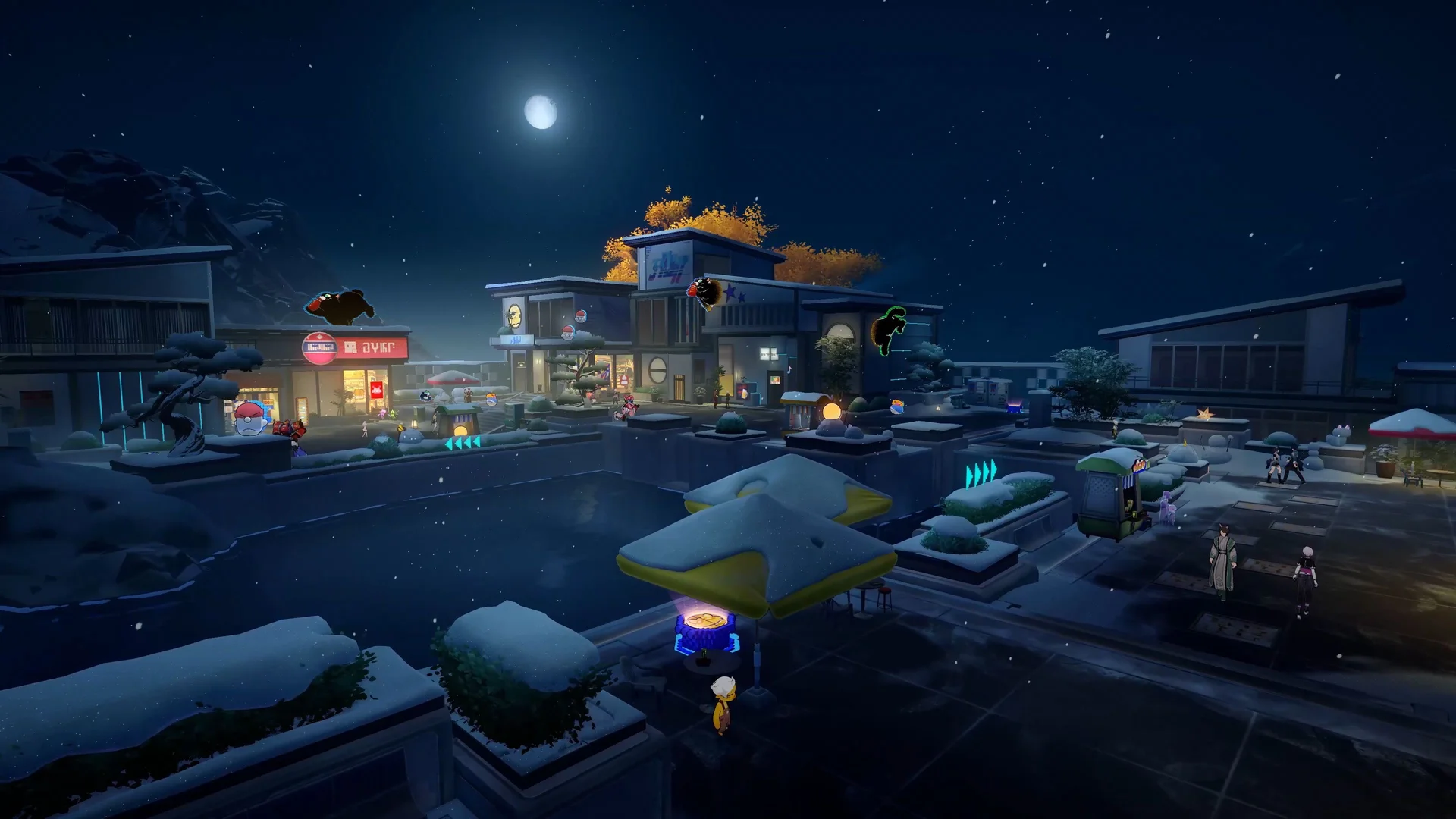
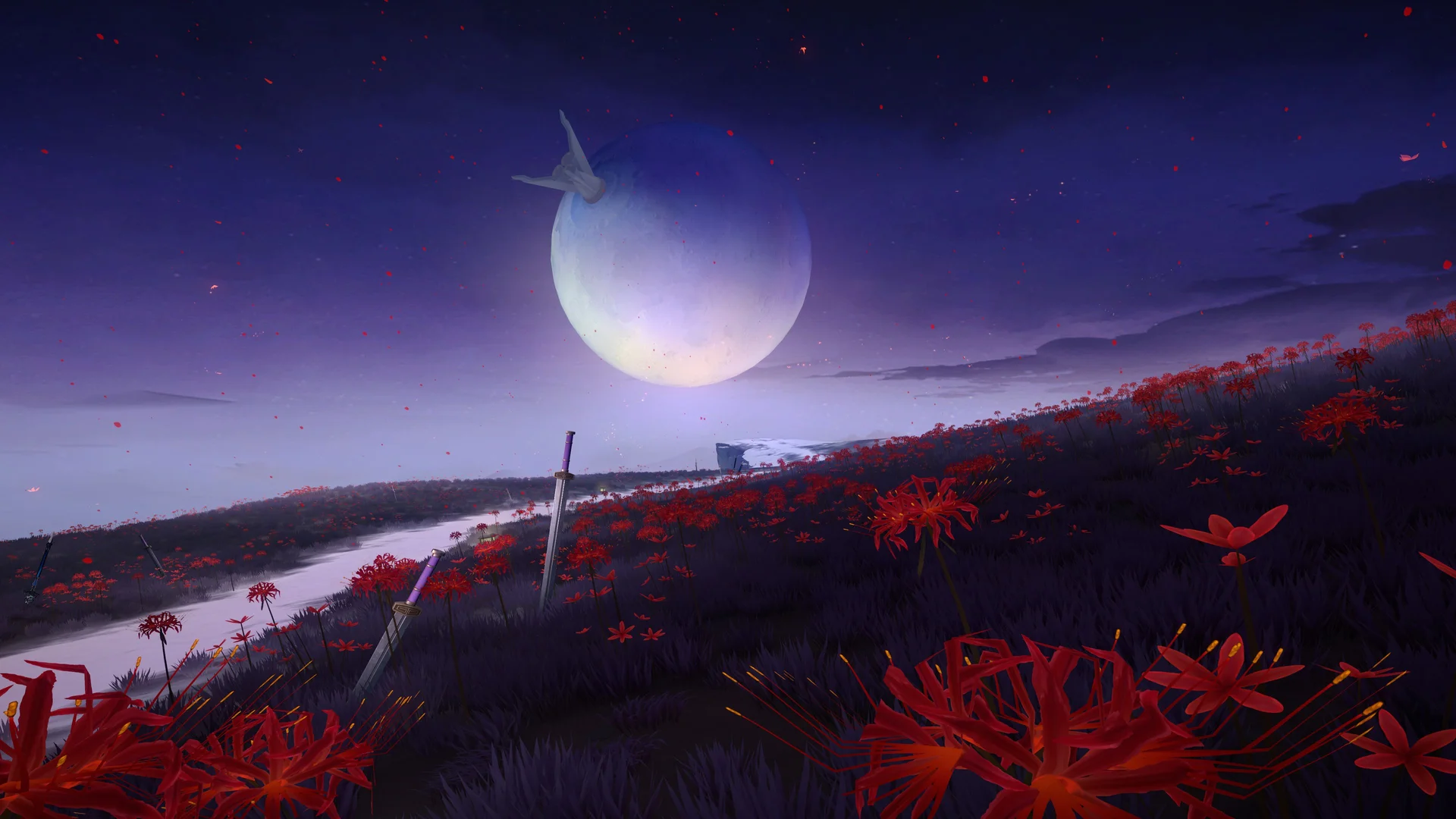
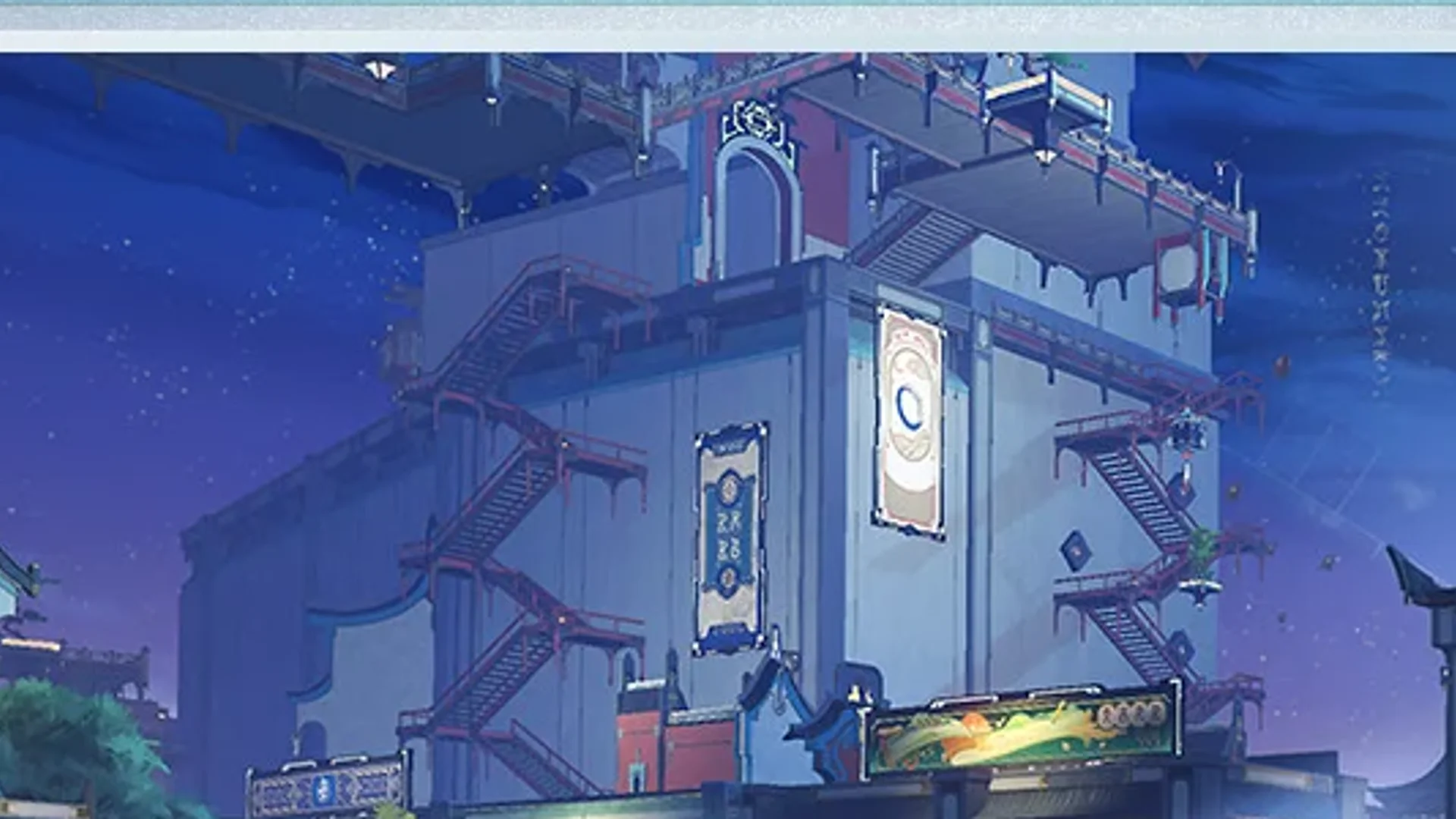
Regional identity is Star Rail's strongest world-design trick. Belobog trades in eternal winter and industrial inequality; the Luofu layers silkpunk docks over Xianzhou longevity politics; Penacony folds art-deco hotels into literal dream layers; Amphoreus pushes marble gods and painted heavens. None of these are ethnographic documentaries — HoYoverse compresses and fantasizes — but the art direction keeps each stop visually distinct in a way most live-service RPGs do not.
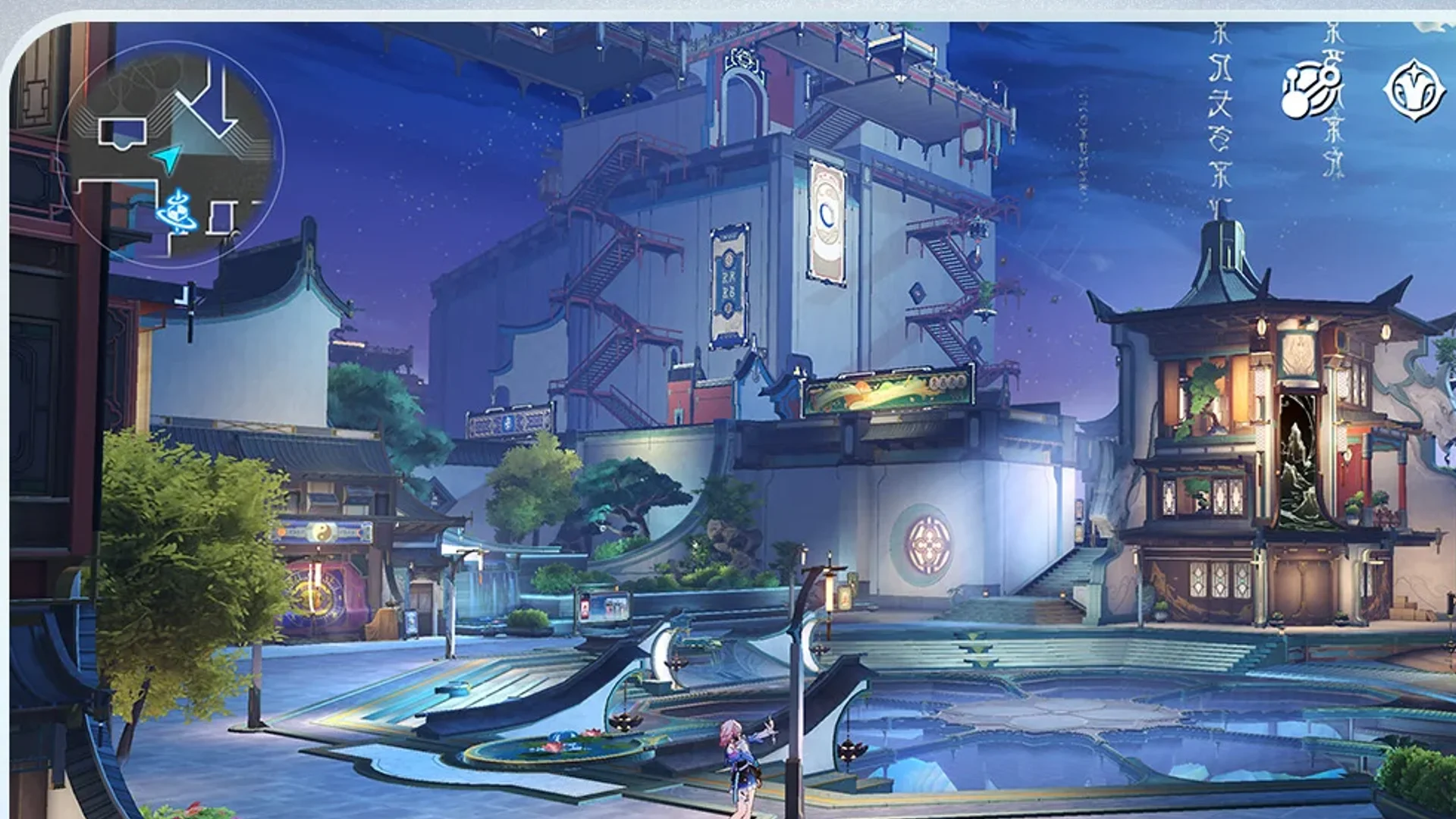
The honest downside is exploration ceiling. Once you clear a zone's chests and companion quests, backtracking can feel like a museum tour rather than a living wilderness. If you are a tourist explorer who enjoys 70% completion and moves on with the story, each planet feels fresh for dozens of hours. If you need Skyrim-scale freedom, the Astral Express will feel like a series of beautiful theme-park lots — gorgeous, but gated.
Combat — Speed, Breaks, and Team Synergy
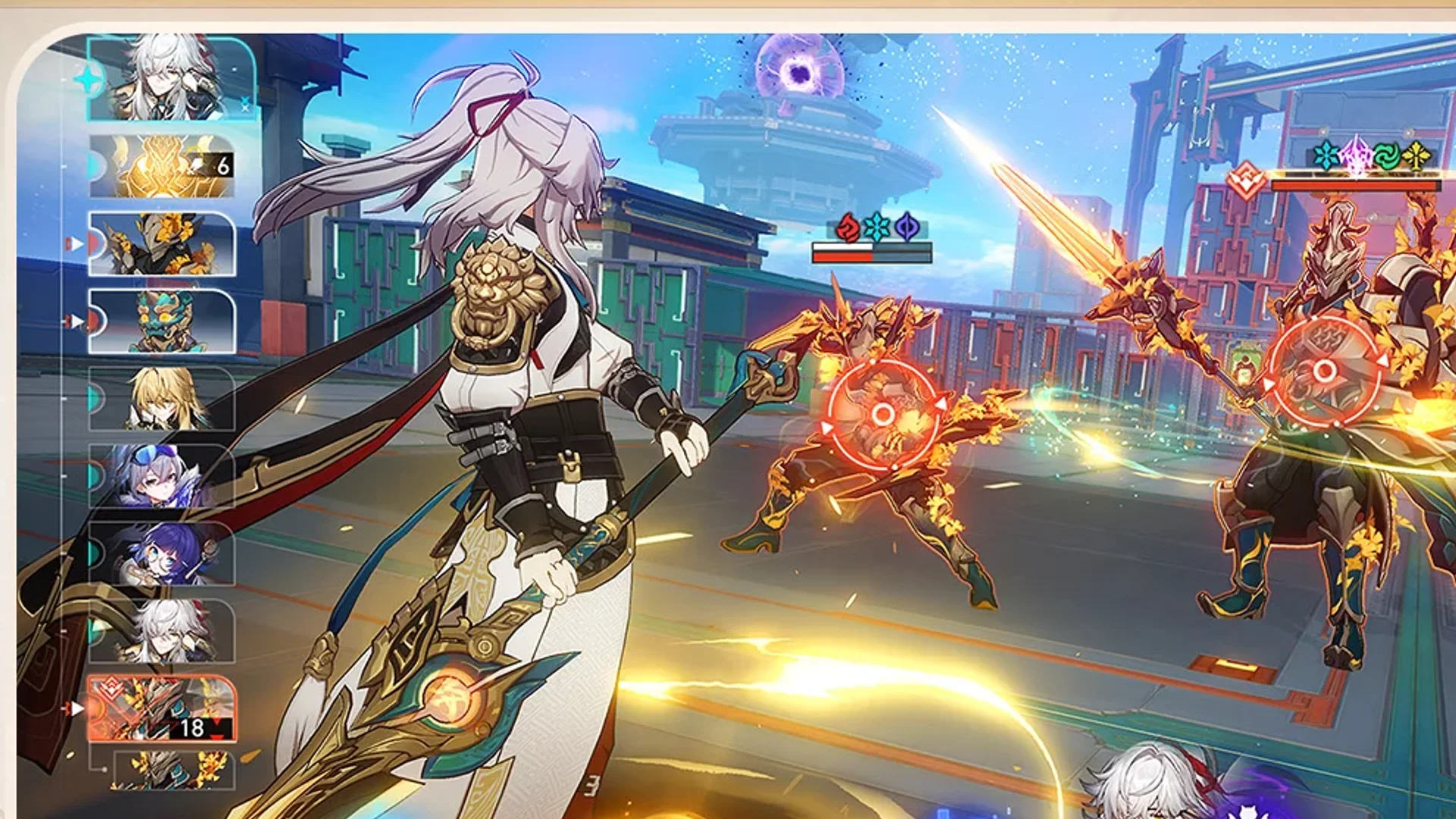
Combat is turn-based with a party of four, one unit acting at a time according to the Action Value order displayed on the left of the screen. Each character has a Type (Physical, Fire, Ice, Lightning, Wind, Quantum, Imaginary) that can Break matching weaknesses on enemies, delaying their turns and triggering bonus effects. Skills cost shared Skill Points; Ultimates charge independently and can be fired whenever full — often the burst that wins a tough wave.
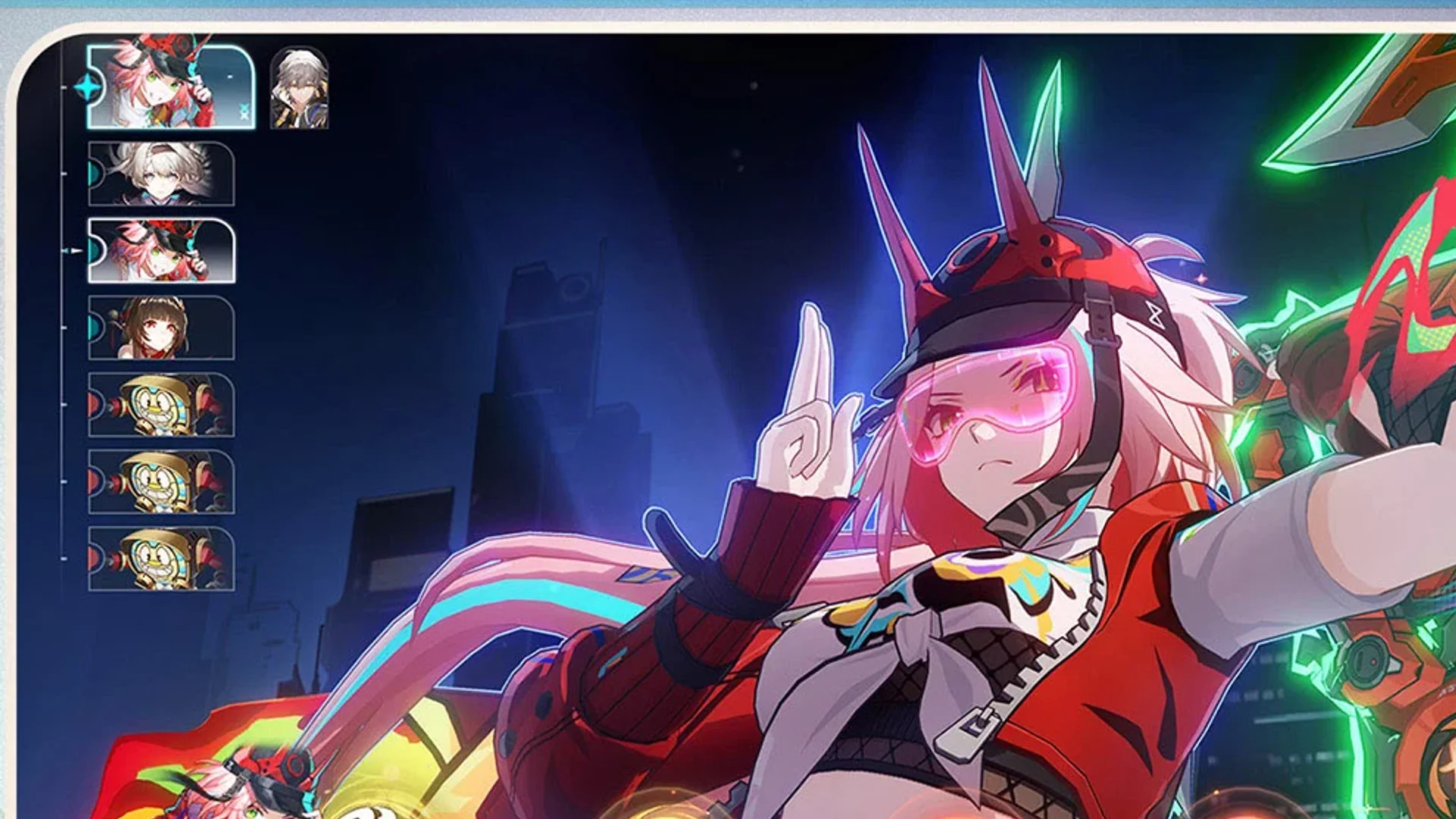
Team building is deeper than elemental color matching. Follow-up attacks, Additional ATK triggers, buff cycles, and speed tuning (boots, buffers, action advance) create distinct meta teams — Kafka DOT, Topaz follow-up, Luocha sustain, Sunday buffers, and newer Path mechanics like Elation and Remembrance in the 4.x era. Relics (six-piece sets with substats) and Light Cones (weapons) add a second gacha layer on top of characters.
Enemy design mixes shield break checks, wave control, and boss phases with telegraphed mechanics. Major Trailblaze boss fights can be genuinely tense even at high Equilibrium Level. The action sits slower than Genshin's real-time dodging — obviously — but faster and more expressive than classic JRPG menu crawling thanks to short animations and skip-friendly auto-battle on farming runs.
Overworld combat is a separate real-time mode for trash mobs; the review's turn-based praise applies to domains, story fights, and Simulated Universe — where the systems actually breathe.
Story and Characters
Narrative delivery splits into tiers. Trailblaze Continuance is the mainline — multi-chapter arcs per world tied to Stellarons, Aeons, and the Trailblazer's amnesia. Companion Missions and limited-time events flesh out playable characters. Quality varies by patch, but the trend since the Luofu crisis is upward: Jarilo's class parable, the Xianzhou's mara-struck politics, and Penacony's dream philosophy land with genuine emotional payoffs if you invest time.
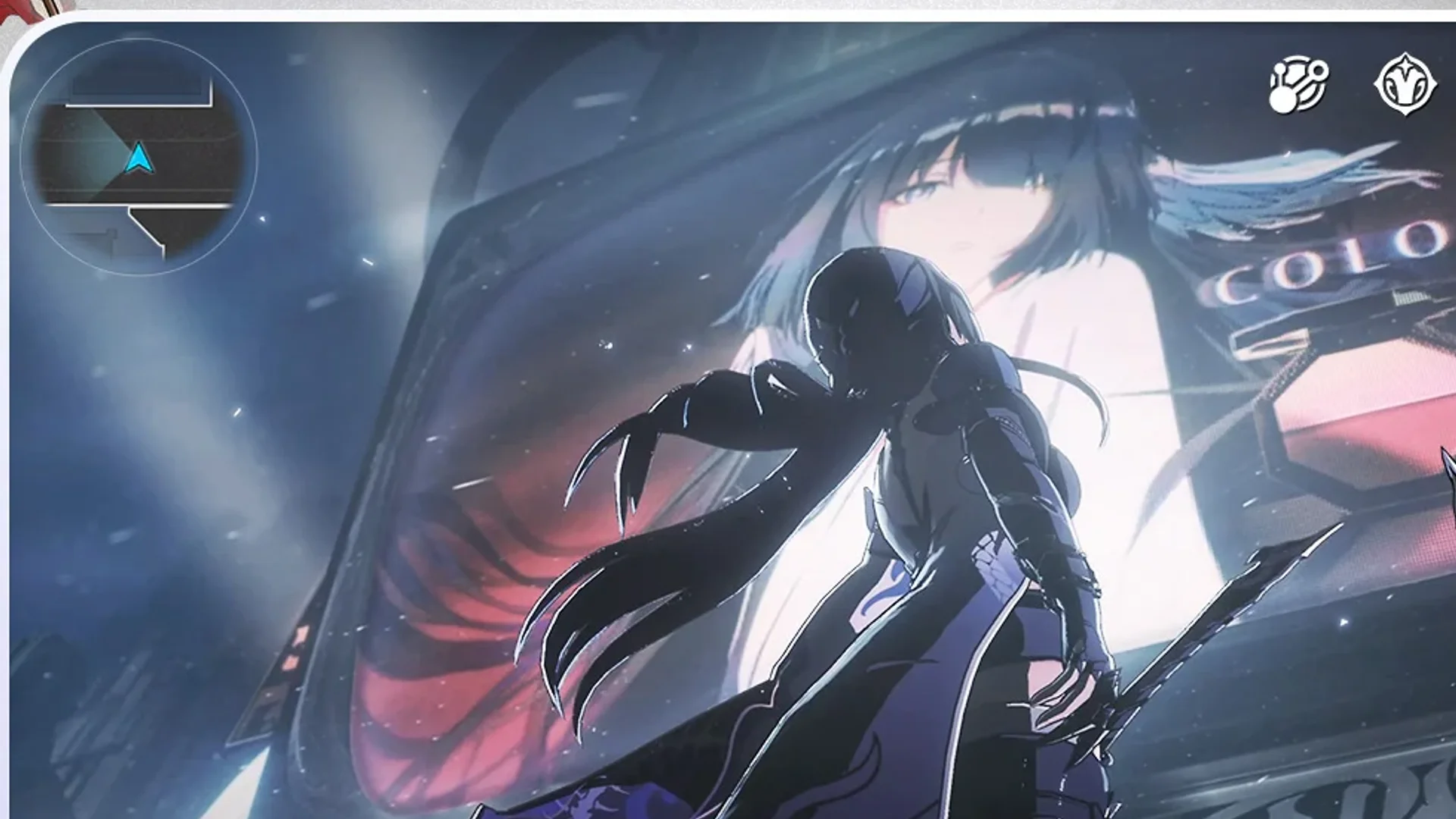
We will name worlds and Paths (Destruction, Hunt, Harmony, Nihility, Preservation) and flagship characters like Kafka, Blade, Jing Yuan, Sunday, and Acheron because those are marketing-level facts, but we will not spoil Penacony twists, fake deaths, or end-of-arc reveals. The Trailblazer (Caelus or Stelle) is a stronger lead than Genshin's Traveler — more dialogue choices, clearer personality beats, and frequent comedic banter with March 7th and Pom-Pom — though silent-protagonist limits still show in some scenes.
English voice acting is professional and consistent; Japanese and Chinese tracks remain popular with subtitle players. If you are here purely for a linear novel, patch-gated chapters will frustrate you. If you enjoy long-form TV-serial pacing with spectacle finales every few months, Star Rail delivers — often with sharper writing per hour than its open-world sibling.
Visuals and Audio
Art direction is Star Rail's most defensible 8.9 score. Cel-shaded characters pop against painterly hubs; Ultimate animations and boss intros rival gacha cinema. Costume design and Light Cone illustrations are merchandising-ready but still cohesive inside each region's palette.
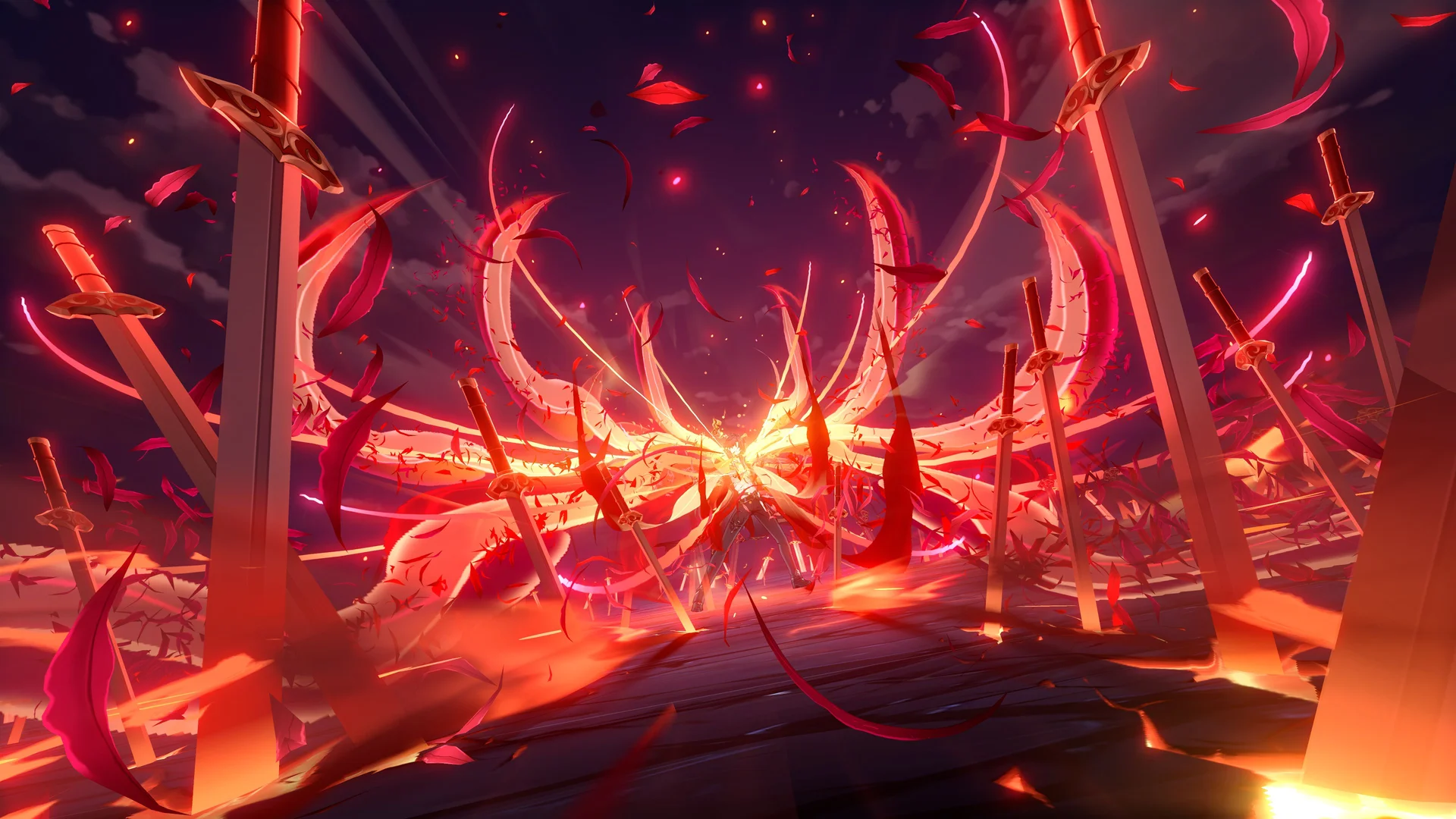
Audio matches the visuals. HOYO-MiX shifts instrumentation per world — frozen strings in Belobog, guzheng textures on the Luofu, jazz-noir swings in Penacony. Combat layers percussion with character themes; burst voice lines sync with Ultimate cut-ins in a way that stays satisfying after hundreds of activations. Headphones recommended — the mix is one of HoYoverse's best.
Performance — PC, Mobile, and PS5
Star Rail scales from phones to high-end PCs, and hub-based maps are kinder than Genshin's continent-scale foliage. We re-tested in July 2026 after 4.x patches on all three primary platforms.
Cross-platform at a glance
PC (RTX 4070, 1440p, High): Mostly 60 fps in hubs and turn-based combat; brief dips during dense Ultimate chains in Penacony bosses. Loading from NVMe SSD is snappy after shader cache warms.
Mobile (iPhone 15 Pro, High): Stable 60 fps in Belobog and Luofu; thermal throttling after 40–60 minutes in Simulated Universe marathons. Battery drain is real — not a commute game at max settings.
PS5: 60 fps performance mode holds well in story content; DualSense support is basic. Excellent couch option if you already live on PlayStation.
Known issues: PC first-launch shader compilation stutter; older iPhones and GTX 1060-class GPUs need Medium for comfort; occasional UI hitching when opening the Warp screen after long sessions.
Practical minimum (1080p / 30 fps, Low–Medium): Intel Core i5 / Ryzen 5 class CPU, GTX 650 or equivalent (official floor), 8 GB RAM, 20+ GB storage — playable, not pretty.
Comfort target (1080p–1440p / 60 fps, High): GTX 1060 / RX 5700 XT or better, 16 GB RAM, SSD recommended.
Mobile players: if your phone is more than three years old, expect Medium settings and fan noise. PS5 players: Performance mode first; fidelity mode is for screenshots, not Simulated Universe grinds.
Monetization and Value
This is the section that makes or breaks a 2026 recommendation. Honkai: Star Rail is free to install and free to finish every Trailblaze Continuance chapter — no paywall gates the main story. You will meet story-mandated trial characters and login-event giveaways; F2P players can clear overworld and most story battles with skill and patience.
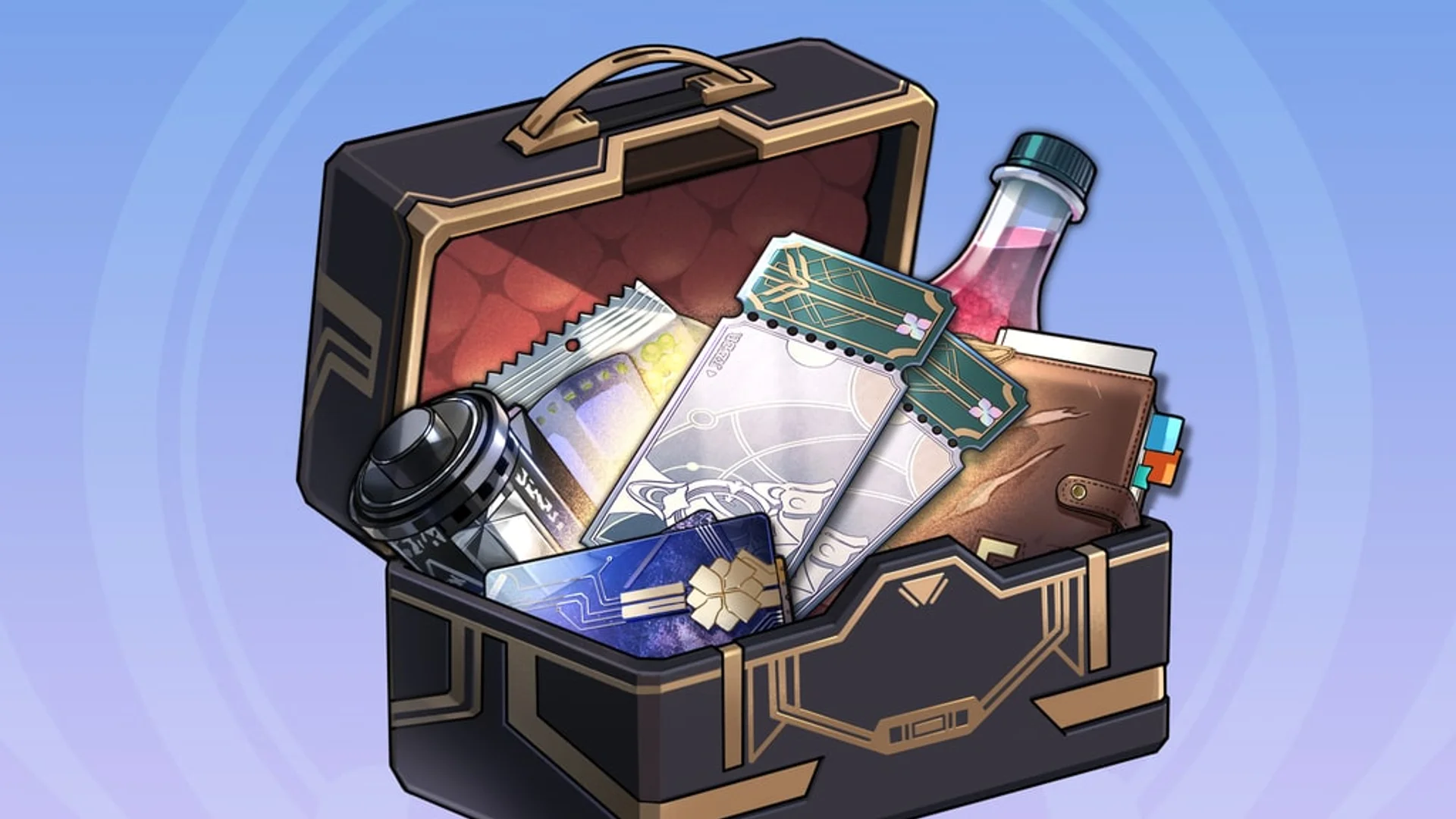
Trailblaze Power is the daily time gate: 240 cap (with storage mechanics for overflow), regenerating on a timer — meaning roughly 4–8 high-value runs of relic domains, Stagnant Shadow, or Cavern of Corrosion per day before you wait or spend fuel items. That design respects busy adults but annoys binge players who want to perfect relics in one sitting.
Warps (gacha): Character event banners soft-pity around 74 pulls, hard guarantee at 90 for a 5★; Light Cone banners are harsher with separate pity — planning guaranteed pulls is spreadsheet culture. Pity carries on the same banner type; Express Supply Pass (~$5/month) and Nameless Honor remain the best value if you already play daily; direct Oneiric Shard top-ups for impulse Warps are the expensive path.
What free players sacrifice: narrower roster depth for Forgotten Hall and Memory of Chaos endgame, slower relic optimization, and FOMO on limited characters and cones. What payers gain: comfort, collection, and faster high-difficulty clears — not a different game. Compared to 2023 launch, login events and exploration rewards are more generous, but power creep in newer worlds means returning F2P accounts need catch-up guides.
Value score lands at 7.2 not because the game is cheap — it can be very expensive — but because zero-spend story completion is still rare among gacha RPGs at this production tier. The Light Cone double-gacha tax keeps it below Genshin's 7.0 on generosity alone; if you cannot tolerate randomness or daily timers, no sale fixes that.
Endgame and Live Service
Version updates arrive roughly every six weeks with new characters, events, and story beats. Simulated Universe — a roguelike mode with blessings, curios, and path resonance — is Star Rail's unique sandbox, offering runs that Genshin simply does not have. Forgotten Hall, Pure Fiction, and Memory of Chaos rotate as the tryhard benchmarks; weekly Calyx and relic farms fill the Trailblaze Power budget.
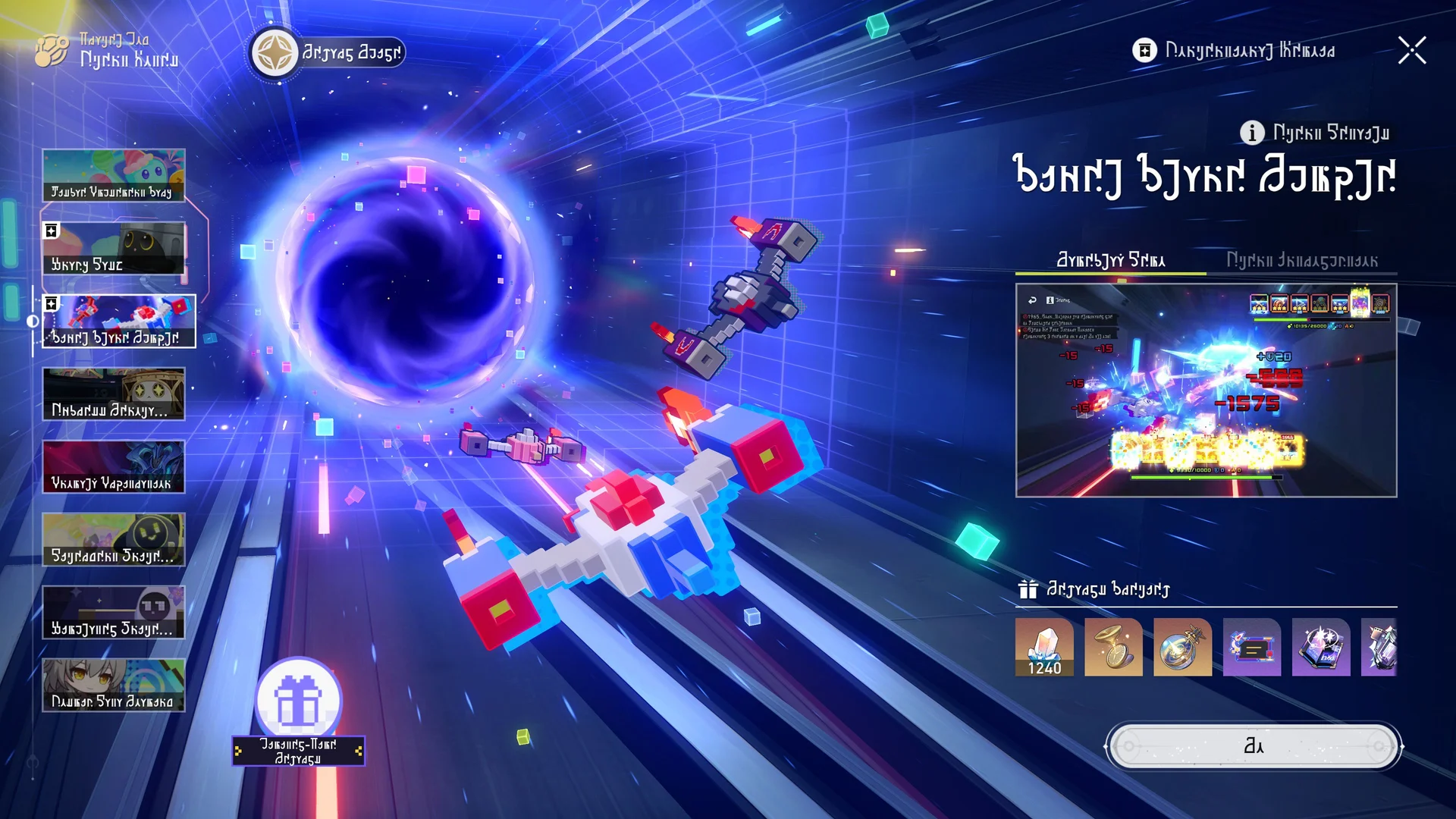
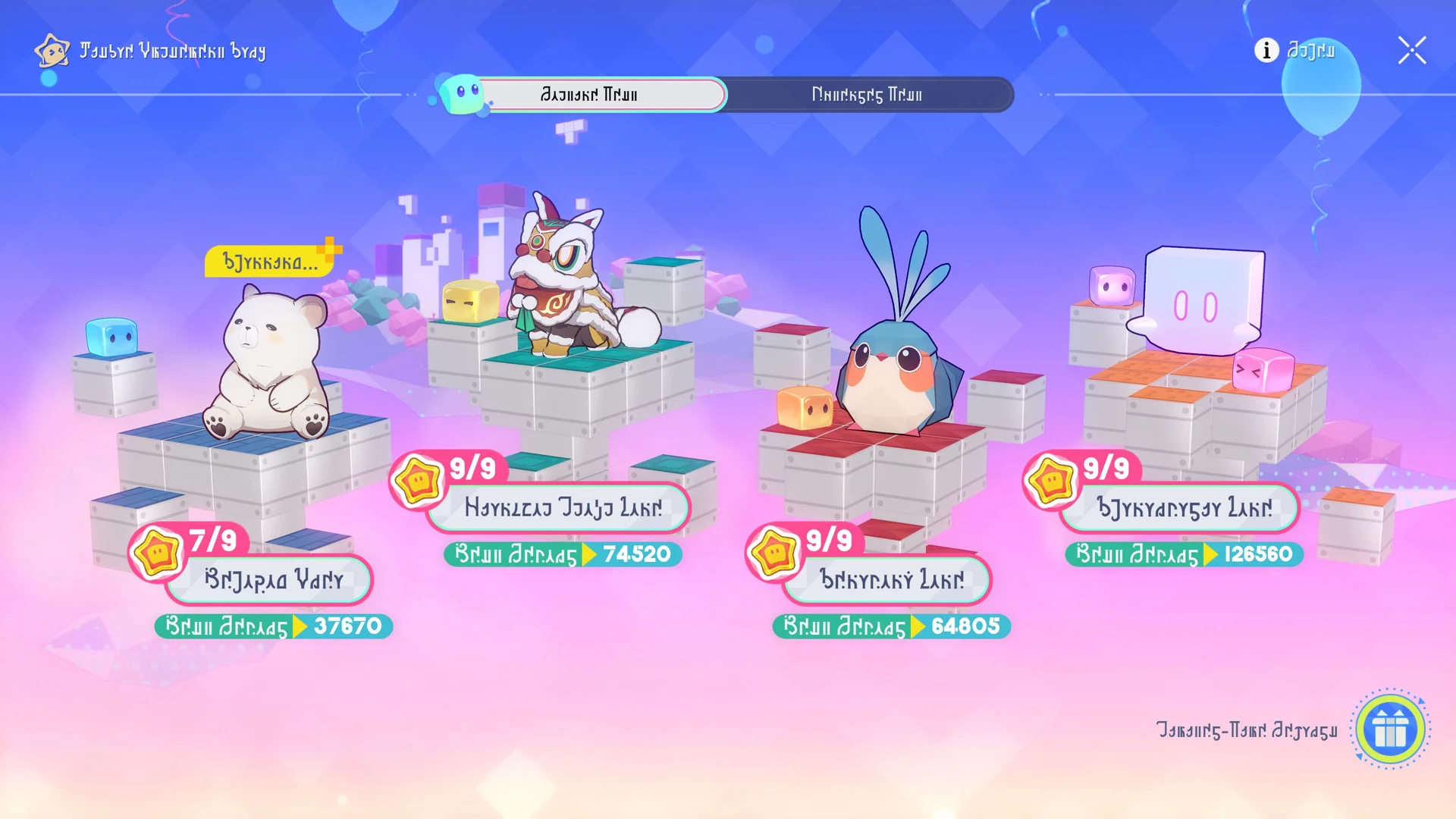
Limited-time events often wrap mini-games — block puzzles, photography tours, combat trials — in charming lore and free Stellar Jade. Returning after a year away means new Paths, new combat systems, and missed limited banners — the game welcomes you back with recap quests but does not erase the grind.
Who Should Start, Return, or Skip
Start or return now: Turn-based tactics fans who love weakness-break puzzles; story-first players who can tolerate patch-gated chapters; commuters who want 30–45 minute daily sessions; HoYoverse refugees who prefer trains to climbing simulators; anyone curious about Penacony-era writing.
Play casually / on the fence: Genshin mains with limited time — pick one HoYoverse game; action-combat purists; open-world completionists who need infinite vertical space.
Skip: Daily-checklist haters; players allergic to gacha psychology; buyers wanting one upfront price and no FOMO; PvP or competitive ranked players; hardware below minimum that cannot hold 30 fps.
Honkai: Star Rail in 2026 is still HoYoverse's best argument that turn-based RPGs can feel premium — held back by Light Cone economics, Trailblaze Power gates, and live-service repetition after the story binge. If that trade sounds fair, start at the Game Hub for download links. If you want exploration-first open worlds and elemental real-time combat, our Genshin Impact review is the parallel read; if you want a one-time $60 mythic action epic, try Black Myth: Wukong instead. Star Rail sells a softer, story-forward commitment on rails — and for millions of players, that is exactly the point.